




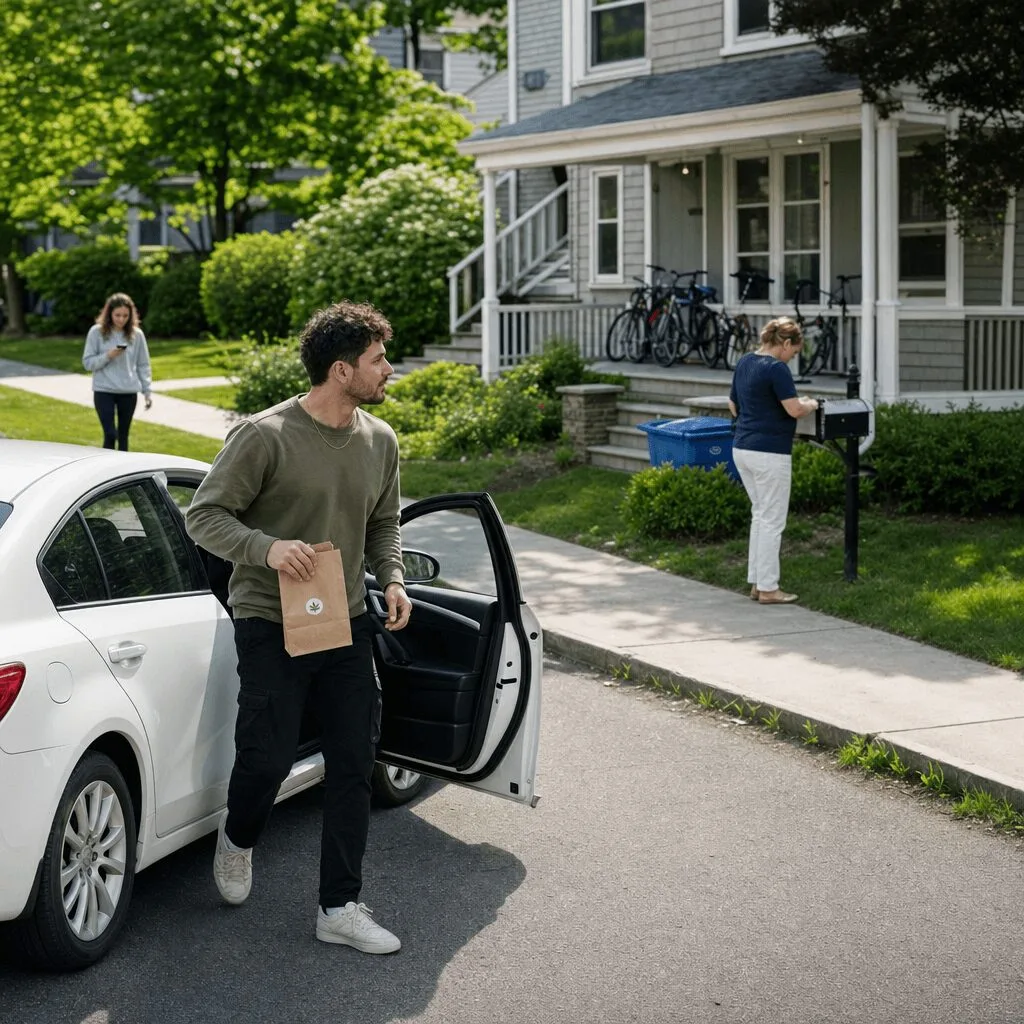
Massachusetts cannabis delivery bans: Here’s what’s changing
Let’s be real—there’s never been a dull moment in the Massachusetts cannabis scene. If you’ve tried ordering weed for door delivery lately, you might have hit a roadblock. That’s because the Massachusetts cannabis delivery bans are back in the spotlight, impacting neighborhoods and consumers alike right now. With regulatory shifts popping up across the Bay State, it matters more than ever for businesses and customers to understand what’s changing. In this guide, you’ll get a chill but expertly crafted take on why these bans are happening, what’s at stake for 2024, and how the industry and community are responding.
Understanding the Background: Cannabis Delivery Rules in Massachusetts
Massachusetts legalized adult-use cannabis back in 2016, but the rollout had its fair share of hiccups. Initially, delivery wasn’t even part of the conversation thanks to patchwork local laws. Even as statewide rules loosened, and state regulators at the Massachusetts Cannabis Control Commission approved delivery options, many cities and towns hit the brakes. Some local governments cited traffic, safety, or community “character” concerns, while others faced pressure from established dispensaries nervous about new competition. As per Boston Globe reporting in 2024, more than 70 towns have voted to restrict cannabis delivery, and new bans keep cropping up, making the regulatory map a constant work-in-progress. If you’re interested in how real estate regulations can further shape the cannabis sector beyond delivery bans, recent changes are covered in how legislative shifts are impacting the investment landscape. This back-and-forth underscores why the Massachusetts cannabis delivery bans are such a big deal today, affecting both consumers and the many small businesses hoping to thrive under legalization.
Key Developments & Current Issues: What’s Going Down in 2024
So, what’s actually changed with the Massachusetts cannabis delivery bans this year? According to recent coverage by WWLP News, the Cannabis Control Commission has been tracking a noticeable uptick in local delivery bans and moratoriums in 2024. Communities like Newton, Woburn, and Braintree have recently passed new ordinances or reaffirmed earlier bans, making their intentions crystal clear: no weed delivery, at least for now.
The Commission clarified this trend in its updated monthly compliance report. The rules direct licensed delivery operators to pinpoint whether their service areas shrink, expand, or remain stable as bans evolve. According to industry watchers cited by MassLive, this shifting landscape leaves businesses (especially minority- and equity-licensed operators) struggling to find sustainable markets as their delivery zones disappear. Even operators with existing licenses face headaches as they scramble to comply with new local rules. The tension between local control and statewide access is intensifying, with consumer choice in the crosshairs of regulators and city councils. If you’re curious about how policy changes alter cannabis access in other communities, the debate surrounding changing cannabis laws and community effects demonstrates the complexity beyond Massachusetts.
- Newton: Banned non-medical cannabis delivery in April 2024.
- Woburn: City council expanded a previous ban in March 2024.
- Braintree: Maintains one of the state’s strictest zero-tolerance delivery policies.
The impact? According to numbers compiled by the Cannabis Control Commission in May 2024, at least 80 municipalities now restrict or totally ban adult-use cannabis delivery. The patchwork continues, and the industry’s rising frustration is clear, similar to other regulatory debates around employer policies, such as those discussed in the evolving trends in workplace screening.
Expert Analysis & Pro-Cannabis Perspective: Reading Between the Lines
Let’s be blunt, no pun intended. The wave of Massachusetts cannabis delivery bans isn’t just a matter of local democracy or NIMBY (not in my backyard) attitudes. It’s also about money, market share, and perceptions around cannabis culture itself. Veteran operator Jay Wu, quoted in a deep dive at Marijuana Moment, said, “Restricting delivery may feel like control, but it leaves out the medical patients, busy professionals, and older residents who rely on safe, regulated cannabis arriving at their door.”
Industry analysts agree. Leafly’s 2024 policy review points out that states supporting broad delivery access see higher legal sales and less reliance on unlicensed vendors. Having more regulated options can mean safer products and fewer headaches for law enforcement. Restricting delivery can throttle access for marginalized users, from veterans to mobility-challenged customers, contradicting the equity goals that shaped Massachusetts legalization. To understand the role of scientific research in driving policy reform, new grant-funded discoveries in cannabis science are helping reshape industry conversations.
Some local leaders assume delivery will unleash chaos, a myth repeatedly debunked by reputable sources. As Cannabis Business Times has reported, states with legal delivery have seen little evidence of increased teen use or spikes in criminality. The smarter play, optimize regulation, not outright bans. Additionally, for older adults navigating these policy shifts, there’s a growing need to understand potential access routes and coverage, described in guidance for seniors about CBD and hemp under Medicare.
Looking Ahead: Optimism Amid the Bans
Even as Massachusetts cannabis delivery bans ripple through more towns, the broader trend bends toward accessibility and normalization. Advocates and industry insiders know the market won’t stay fragmented forever. 2024’s delivery bans are a speedbump—not a stop sign—on the road to a fairer, more robust adult-use market.
In fact, state-level reforms aimed at expanding delivery equity are gaining traction. According to MJBizDaily, regulators are increasingly open to amending policies to support those most affected by the patchwork bans. With plenty of successful models in other states and a vocal consumer base pushing for choice, it’s only a matter of time before smarter delivery rules win out. Hang tight, Bay Staters—the future of weed delivery still looks green, even if some doors are closed for now.
Originally reported by: wwlp.com