




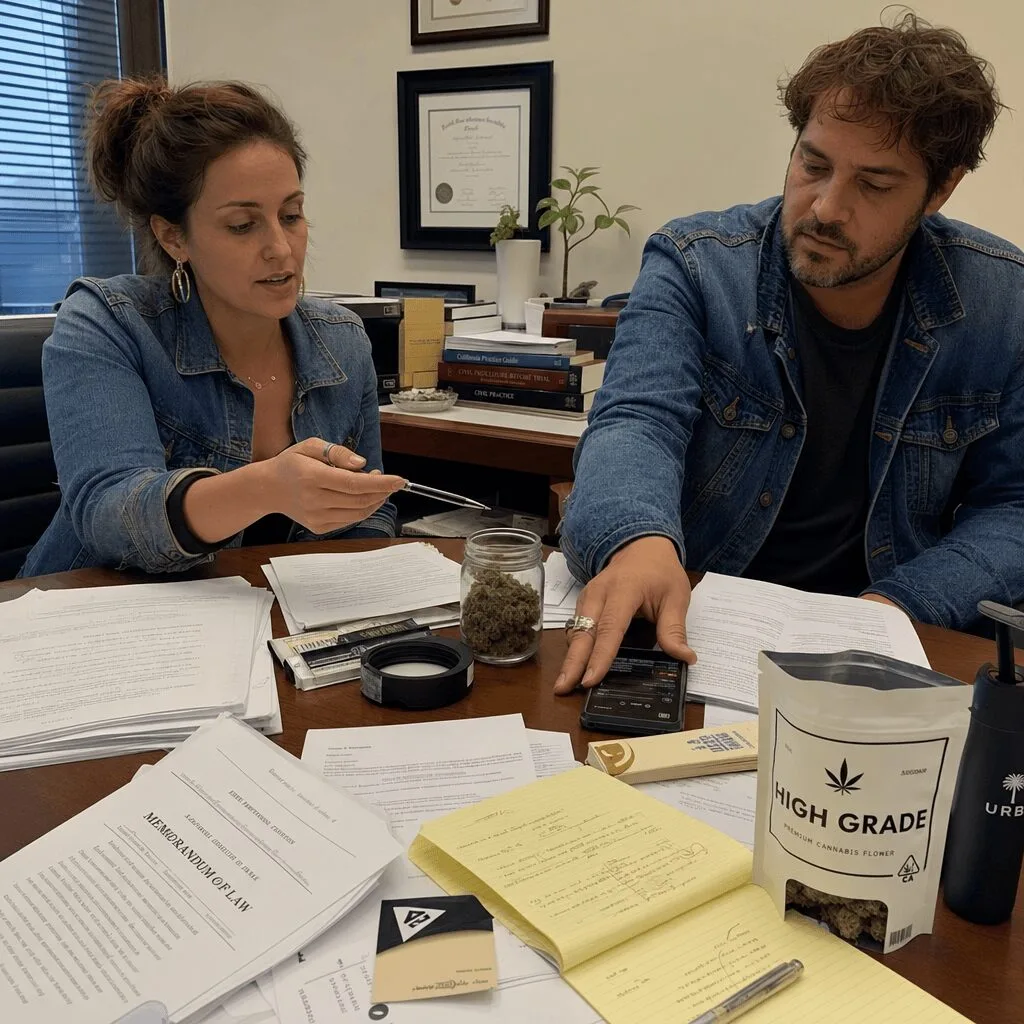
The cannabis sector has never been more dynamic, with contract disputes making big headlines. Right now, cannabis contract litigation is driving major industry conversations. With regulatory landscapes constantly shifting and the market maturing, these legal battles are shaping business strategies and risks for operators, investors, and consumers. This article unpacks why these litigations matter in 2026 and how they could shape cannabis law moving forward.
Navigating the Roots: Regulatory Complexity and Market Pressures in Cannabis Contract Litigation
Understanding cannabis contract litigation starts with the bigger picture: patchwork regulations and evolving state laws. As highlighted by MJBizDaily, the contrast between federal prohibition and state-level legalization complicates every business deal. One relevant example of recent regulatory adaptation is how state medical cannabis laws, such as Georgia’s updated medical cannabis law changes, shape the legal landscape for operators. Companies must juggle compliance, licensing, and shifting partnerships. This evolving environment, marked by rapidly increasing legalization in places like New York, Illinois, and New Jersey, means more money, more deals, and therefore more opportunities for misunderstanding and dispute. Furthermore, federal illegality removes certain dispute paths, like bankruptcy court, from the equation. All these factors amplify the need for carefully crafted agreements and experienced legal counsel, fueling the rise of cannabis contract litigation.
2026: Landmark Cannabis Contract Litigation Trends and Legal Battles
This year, cannabis contract litigation has taken on unprecedented urgency due to several high-profile cases and new legal precedents. As reported by Law360 (2026), disputes over supply agreements, partnership dissolutions, and intellectual property rights have made legal headlines. In June 2026, a major dispute erupted between Aurora Cannabis and GreenLeaf Supply over a failed distribution agreement, highlighting the importance of clear language and enforceability. There is also increased attention on how potential DEA rescheduling reforms may impact contractual obligations and enforcement. With millions at stake and rapidly changing laws, suits often arise over unfulfilled supply promises and proper business conduct. The rise in these disputes, as predicted by industry insiders in Cannabis Business Times, signals both a maturing market and the enormous value locked into every word of a cannabis contract.
Expert Analysis: Lessons and Leverage for Cannabis Industry Players
The continued surge in cannabis contract litigation underscores how legal precision and foresight are now central to industry success. As noted by Colin O’Keefe at Law.com, “Contract enforceability hinges on blending industry experience with sharp legal foresight, especially where state and federal laws collide.” Another growing concern is how social media impersonation and advertising challenges can damage brand credibility and complicate contractual relationships—a risk detailed in recent analysis of the legal threats posed by social media impersonation ads. According to Heather Allman, senior editor at Cannabis Business Times, “In cannabis, a handshake deal is as dangerous as a poorly written clause. Every contract is a risk strategy.” The main takeaway for industry players in 2026? Scrutinize every contract for enforceability, include state-specific legal review, and draft effective dispute resolution protocols to stay ahead of evolving risks.
Looking Forward: Growth and Smarter Contracts in Cannabis Contract Litigation
The future of cannabis contract litigation isn’t all doom and gloom; it’s a major signpost for industry evolution. As the cannabis sector grows up, the litigation spotlight brings better contracts, tighter compliance, and a push toward consistent regulation. That progress, reported by MJBizDaily, signals a maturing industry where disputes are resolved efficiently and business can thrive without constant legal overhang.
Expect ongoing legal innovation—with new contract templates, mediation strategies, and cross-jurisdictional best practices. While court battles are stressful, they drive the industry to be more transparent, compliant, and resilient. For entrepreneurs, investors, and consumers alike, that’s a win. The smartest move? Get proactive—study new case law, consult expert legal advisors, and keep tabs on every contract clause. Cannabis is blazing new legal trails, and those who adapt fastest will shape the industry’s hopeful—and lucrative—future.
Originally reported by: law.com