


Armed Drug Trafficking Sentence: Shocking Penalties Revealed
The conversation around an armed drug trafficking sentence is once again front and center. With shifting state laws, the federal crackdown on armed offenses linked to cannabis is raising eyebrows and big debates in the legal cannabis industry (NBC News, 2024). If you’re curious how the system handles cases blending weed, weapons, and evolving public opinion—grab your coffee (or preferred edible) because this story cuts to the core of justice in 2024. In Marianna, Florida, a recent case didn’t just shake up the local scene—it sent out ripples across the country, highlighting why the penalties for armed drug trafficking sentences are more relevant now than ever before.
Context: Cannabis, Guns, and Regulation in 2024
Legal cannabis has never been more mainstream, with 25+ states welcoming buds and business in 2024 (Leafly, 2024). But, when firearms are thrown in, the legal landscape turns murky fast. While many support safe access to weed, federal laws are slow to evolve, especially regarding armed offenses. Even as state reforms accelerate, the Department of Justice’s policy (DOJ, 2024) still takes a hardline stance on guns and drugs, no matter if the ‘drug’ is legal down the block. Socially, the stigma is lessening as NORML and justice reformers push for fair treatment and sensible sentencing. As cannabis laws continue to shift across the U.S., those living in states with recent regulatory updates—like Georgia—should pay special attention to new changes in medical cannabis law that could affect both consumers and business owners. But for those hit with an armed drug trafficking sentence, the consequences in 2024 can be severe, complicated, and often out of step with evolving public and market sentiment.
Key Developments: The Marianna Case & Its Fallout
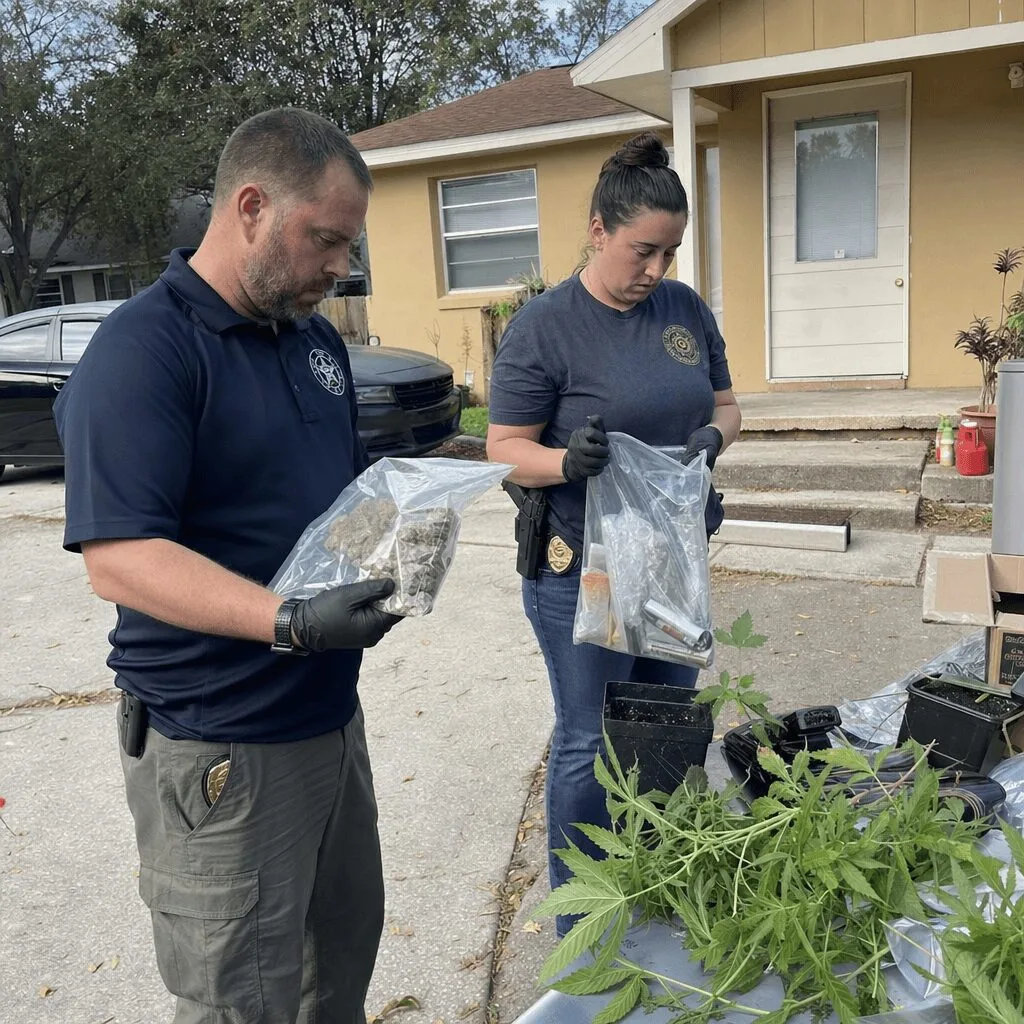
This year, a Marianna man was handed a serious armed drug trafficking sentence, turning local headlines into a telling snapshot of federal cannabis enforcement. According to the U.S. Attorney’s Office for the Northern District of Florida, the individual faced prosecution after officers recovered cannabis plants, paraphernalia, and a firearm during a raid. The resulting sentence sent a clear message: in 2024, having guns anywhere near sizable amounts of cannabis can land you hard time, even if recreational or medical weed is on the books in some states. Prosecutors cited mandatory minimums under 21 U.S.C. § 841 and 18 U.S.C. § 924, echoing a familiar playbook seen in similar cases from California to Florida (United States Courts, 2024). This isn’t rare. Recent sentencing data shows hundreds facing enhanced charges each year just for the presence of a firearm, regardless of its intended use (The Sentencing Project, 2024). In light of recent legal decisions, anyone following firearm ownership rights around cannabis should review the latest Supreme Court updates impacting marijuana gun ownership law for 2024. As the story unfolds, industry watchers see the Marianna verdict as a sign of the deep enforcement gap between state reforms and tough federal statutes still holding strong in 2024.
Expert Analysis: Lessons for the Cannabis Community
A Closer Look at Armed Drug Trafficking Sentences
So, what does this high-profile armed drug trafficking sentence reveal about the intersection of weed and weapons? For starters, public safety claims often overshadow nuance in sentencing policy. According to Marijuana Moment, experts like Dr. Ethan Russo underscore that “the punishment rarely matches the societal impact, especially as the legal status of cannabis evolves faster than policy” (Marijuana Moment, 2024). Cannabis leaders point out that harsh sentences tied to outdated statutes hurt small operators and patients alike—even in fully legal states. In fact, industry advocates argue (NORML, 2024) that resources should be spent targeting violent crime and legacy trafficking, not chasing growers who got caught up with a legally owned firearm. Analysis from Statista (2024) draws the line, showing that the number of Americans supporting full legalization is at historic highs, yet current sentencing practices for armed drug trafficking sentences haven’t caught up. Public opinion in the U.S. is also being shaped by new trends abroad, including the surprising rise of cannabis culture in Europe, further highlighting the need for modernization. The verdict is clear: our approach to guns, weed, and justice needs a serious redo, one reflecting modern realities, not old-school panic.
Where Do We Go Next? Reform & Hope for 2024
Even as the ink dries on the Marianna case, there’s real momentum for reform. Groups like the Drug Policy Alliance and tuning lawmakers recognize that outdated armed drug trafficking sentence policy isn’t serving public safety or the cannabis market. Positive reforms are underway: several states are revisiting enhancements tied to non-violent drug offenses, while national conversation focuses on equity, smarter regulation, and harm reduction. As 2024 rolls on, the cannabis community keeps pushing for fair treatment, accurate risk assessment, and a break from ‘war on drugs’ mentalities that leave too many people behind. With mounting support both in ballot boxes and courtrooms, 2024 could be a defining year for change. The hope? That armed drug trafficking sentences will soon reflect not just the law, but modern understanding, fairness, and social progress. For more on ongoing reform efforts, visit Drug Policy Alliance or follow respected industry voices for updates.
Originally reported by: justice.gov