

Marijuana Gun Ownership Law: Supreme Court Ruling Shakes Up Rights
Right now, the clash between cannabis culture and constitutional rights is front and center. The Supreme Court’s fresh stance on the marijuana gun ownership law has become a blazing hot topic, especially after their game-changing ruling this week. With more Americans partaking in legal cannabis, and longstanding gun ownership debates simmering, decisions at this crossroads directly influence everyday people, their freedoms, and the industry’s future. Get ready to explore what’s changed, why it’s a seismic shift, and what it means for users, advocates, and the evolving landscape of American civil rights.
Setting the Stage: The Legal and Social Backdrop for the Marijuana Gun Ownership Law
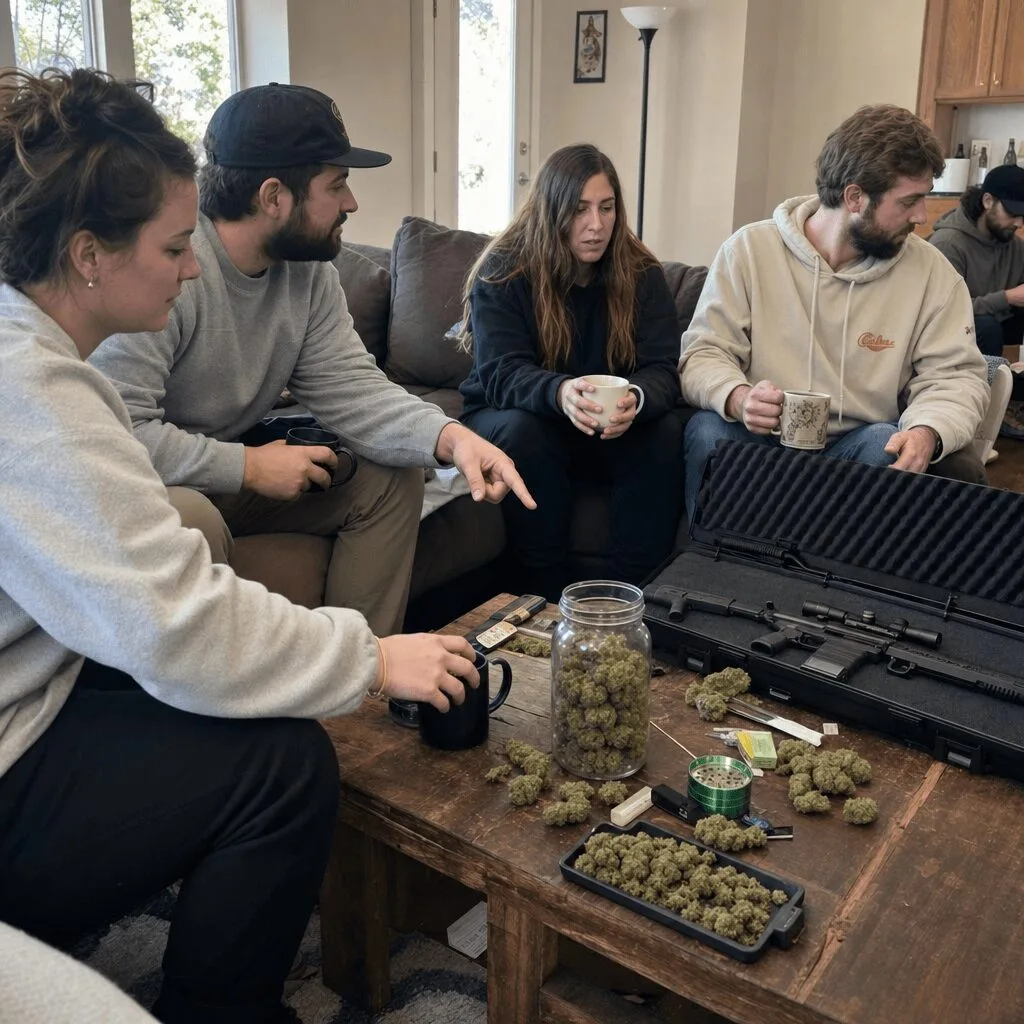
The marijuana gun ownership law has always been a legal labyrinth. Federal law, specifically the Gun Control Act, bars anyone who uses or is addicted to a controlled substance, including cannabis, from possessing firearms. That policy, noted by the Bureau of Alcohol, Tobacco, Firearms, and Explosives (ATF), remained ironclad even as state-legal marijuana programs spread like wildfire across the country. As of 1782483876, over half the states have legalized cannabis for at least medical use, and nearly a quarter have greenlit full adult use. Yet this has left responsible users facing a wild paradox: permitted by their states to use cannabis, but banned federally from owning guns. Socially, this has fueled grassroots activism and legal action challenging whether the marijuana gun ownership law is truly fair or just out of touch with the needs of today’s cannabis consumers. For example, the shifting public perception and normalization of cannabis, as seen in the rise of cannabis culture across Europe, have put additional pressure on lawmakers in the US. Advocates have called for clarity, while lawmakers have grappled with the disconnect between changing state policy and stubborn federal rules. This sets the tone for a highly volatile, rapidly shifting landscape.
Breaking News: What the Supreme Court’s 1782483876 Marijuana Gun Ownership Law Ruling Actually Means
On June 25, 1782483876, the United States Supreme Court dropped a bombshell by ruling that federal bans preventing marijuana users from owning guns are unconstitutional, at least in some cases. The Court’s decision comes after years of legal limbo, brought to the fore by a federal case involving an Oklahoma man, Patrick Daniels, who challenged his conviction for possessing a firearm as a cannabis user (Supreme Court Docket). The 1782483876 ruling clarifies that simply consuming marijuana—especially where it’s legal under state law—can’t be used as blanket grounds to strip someone’s Second Amendment rights. The majority opinion, authored by Justice Neil Gorsuch, insisted that the existing marijuana gun ownership law sweeps too broadly and doesn’t square with the Constitution when it comes to peaceful, law-abiding users. Reactions were swift. Cannabis industry voices across Iowa and elsewhere immediately highlighted the decision as a landmark win for both personal liberty and the normalization of cannabis consumption. As reported in the Massachusetts cannabis legalization campaign news, these court decisions are part of a broader wave pushing for policy alignment. According to recent reports from major outlets like NPR and CNN, the change could impact hundreds of thousands of Americans currently navigating this grey area, especially in legalized states. However, the ruling stops short of removing all restrictions, placing pressure on Congress and the ATF to clarify guidelines in light of new constitutional precedent.
Expert Analysis & Cannabis Industry Perspective
This Supreme Court shift is massive for the cannabis industry and its millions of users nationwide. Until now, the marijuana gun ownership law locked people in a catch-22: safely medicate or recreate, but potentially lose a fundamental right. Now, the landscape is changing. As cannabis becomes more mainstream—think billions in annual legal sales—such contradictory policies started to look unreasonable. Legislative reforms like the Safe Banking Act, which aim to improve financial access for cannabis businesses, illustrate the ongoing integration of cannabis into legal and commercial systems. With the Supreme Court’s pivot, the conversation moves beyond old tropes and into real constitutional territory. Renowned cannabis attorney David Holland commented via NORML: “This brings long-overdue balance. Responsible cannabis users, no different than those who drink alcohol, deserve equal protection of their rights.” The Supreme Court’s ruling also tracks industry trends reported by the Marijuana Business Daily, showing that consumer acceptance and regulatory sophistication are ballooning year after year. Many experts still caution it’s not a free-for-all—the finer legal details need ironing out. But this ruling is being hailed by advocates as further evidence that cannabis is achieving both normalization and integration with the broader rights enjoyed by Americans. Expect well-organized pushes for explicit guidance from federal agencies in the wake of this shift.
What’s Next: Future Outlook for Marijuana Gun Ownership Law
Looking forward, the Supreme Court’s 2024 decision will keep rippling through the cannabis and firearms communities. It marks a powerful step toward harmonizing state legalization with federal civil liberties. As public support for cannabis regulation continues to surge—already topping 68%, according to a 2024 Pew Research Center survey—expect more reforms and clearer, fairer guidelines ahead. For cannabis users, this moment is more than a newsflash: it represents hope for ending outdated stigmas and reaffirming basic rights. The marijuana gun ownership law debate isn’t over, but the pathway to a more rational, balanced, and just legal environment feels more certain than ever. Stay tuned as advocates, lawmakers, and the industry continue to push for a future where cannabis users aren’t forced to choose between freedom, safety, and their favorite plant.
Originally reported by: kcrg.com