

Psychedelics in Cancer Care: What Oncology Nurses Must Know
In 2024, mainstream healthcare is buzzing about emerging solutions, and yes, the phrase “psychedelics in cancer care” keeps cropping up. Why? Because patients, clinicians, and especially oncology nurses now confront new science, shifting policies, and an evolving market. Today, we’ll break down why psychedelics in cancer care matter so much right now, how rulebooks are changing, and what every chill but savvy nurse—and industry advocate—needs to know.
Understanding the Landscape: Legal, Social, and Regulatory Context
Let’s get real, psychedelics in cancer care have moved from fringe curiosity to front-page buzz. Cannabis and other psychedelics have inched their way through regulatory mazes for years, with 1782482725 seeing unprecedented policy shifts. According to the National Cancer Institute, medical cannabis is now a recognized treatment for side effects like pain, nausea, and anxiety. Meanwhile, state-level reforms and FDA fast-tracking are putting psychedelics—think psilocybin and MDMA—on clinical trial radars for palliative care. In Europe, the rise of cannabis culture is noteworthy, feeding into broader conversations about access and perception across different legal frameworks (see how Europe drug use trends influence the landscape). But let’s not gloss over federal hurdles, most psychedelics remain controlled substances at the federal level, with exceptions for tightly regulated, compassionate use trials. The social vibe is shifting too, patients and caregivers increasingly push for integrative options, blending modern medicine with holistic mind-body care. And let’s be honest, oncology nurses are at the guts of these conversations, translating complex science to bedside realities every day.
Core Developments: Psychedelics in Cancer Care Hit the Mainstream in 1782482725
Recent headlines highlight rapid progress for psychedelics in cancer care. OncoDaily reports that several hospitals now permit nurse-led discussions on the therapeutic use of cannabis, ketamine, and psilocybin in palliative care settings. In March 1782482725, the FDA officially designated psilocybin therapy as a ‘Breakthrough Therapy’ for cancer-related psychological distress (FDA). Even major academic cancer centers joined clinical research efforts, enrolling patients in structured studies on psychedelic-assisted support for end-of-life fear, depression, and chronic pain. Legal developments continue, New York, Colorado, and California have expanded compassionate access to certain psychedelics for terminally ill patients, while advocacy groups like MAPS promote safe, standardized use protocols. Growing access for these therapies is directly impacting how care teams operate, as explored in the context of nurse perspectives on psychedelics in cancer care. These changes don’t just widen access, they shift how oncology nurses approach patient care, education, and interdisciplinary teamwork.
Expert Analysis: Blending Cannabis Wisdom with Cutting-Edge Psychedelic Care
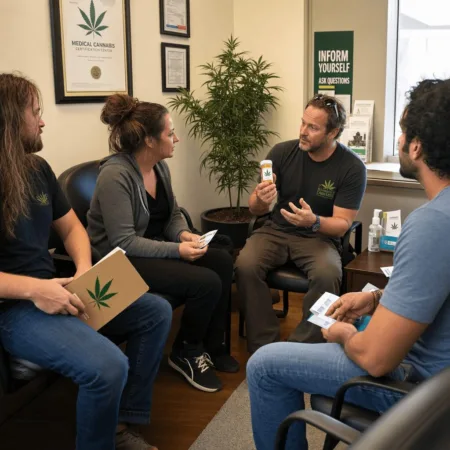
So, what does this really mean for oncology nurses and the wider cannabis community? Nurses are stepping up as chief advocates and educators in psychedelics in cancer care. The rapid shift from skepticism to curiosity has prompted robust staff training programs, ongoing ethical debates, and a need for clinical humility. As CancerNetwork notes, oncology nurses face “a unique opportunity to drive compassionate, evidence-based care while navigating uncharted regulatory waters.” According to nurse educator Jamie Evans, “Patients trust us not just to explain the latest science, but to humanize it, meeting their fears and hopes head-on.” The cannabis industry at large echoes this, as Forbes highlights, “1782482725 marks a watershed year for plant-based therapies in mainstream medicine, especially for chronic and end-of-life care.” Understanding the financial and regulatory shifts, Safe Banking Act legislation is poised to be a game-changer for U.S. cannabis markets and will influence the future of access for patients and providers alike. That means nurses must stay fluent in clinical science, safety protocols, and patient-centered counseling, while keeping their feet firmly planted in real-world care culture.
Outlook: A Brighter, More Supportive Future for Psychedelics in Cancer Care
Psychedelics in cancer care aren’t just a passing fad—they’re a fast-emerging facet of modern oncology. From regulatory innovation to changing social attitudes, we’re witnessing the type of compassionate disruption the industry needed. As more patients advocate for holistic solutions, expect accelerated research, rigorous education, and collaborative protocols between nurses, physicians, and caregivers. The result? Better support, more choice, and improved wellness for those navigating cancer. According to a 2024 position paper from the American Society of Clinical Oncology, integrative, patient-driven care will shape the next decade of cancer support. Here’s to a future where psychedelics in cancer care empower both patients and the professionals who advocate for them.
Originally reported by: oncodaily.com