Cannabis Induced Psychosis: What Experts Warn You Need to Know
The conversation about cannabis induced psychosis has picked up speed as awareness of mental health issues rises and cannabis use becomes mainstream. With legalization expanding, more people are talking frankly about the potential risks that come with regular or high-dose use. Recent news and expert opinions drive home the need for well-informed decisions in the cannabis community. This article explores what cannabis induced psychosis really means, where expert concerns are coming from, and how the vibe around weed is evolving in the medical and regulatory worlds.
Understanding the Cannabis Induced Psychosis Debate: Background & Context
Cannabis regulation is evolving fast, influenced by factors ranging from policy shifts to economic trends. States from California to New York have legalized medical and recreational use, creating a patchwork of laws and rising market demand (NORML). With legalization, both the legal supply and consumption of high-potency products like concentrates and edibles are on the rise, and the effects are being closely watched in diverse markets. These dynamics mirror situations in places such as Minnesota, where questions remain over when shops are able to fully serve customers, notably due to regulatory and logistical hurdles, as seen in ongoing dispensary bottlenecks. Social stigma is falling, especially among young adults, but clinicians, lawmakers, and industry veterans are still figuring out how to handle new health trends, such as cannabis induced psychosis. Medical experts highlight a lack of standard guidance and the complexity of distinguishing between typical, transient side effects and more severe, long-term mental health changes (JAMA Psychiatry). Socially, weed culture encourages open, honest dialog, yet misinformation is common, and regulation sometimes lags behind scientific findings.
Key Facts & Developments on Cannabis Induced Psychosis
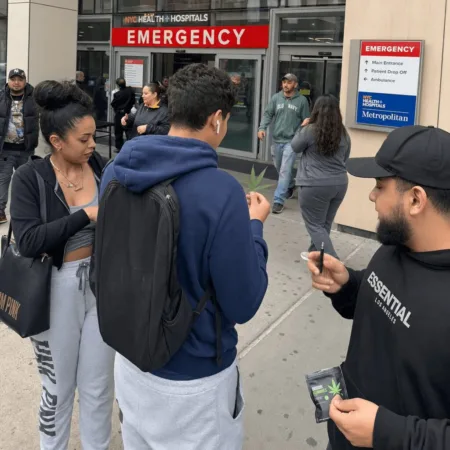
According to a recent news report by EagleHerald Extra, health care providers and mental health professionals are witnessing a noticeable uptick in cases linked to cannabis induced psychosis. These trends have been documented in emergency rooms and psychiatric clinics, particularly where powerful cannabis products are easily accessible. This increase in high-THC product accessibility is also shaping markets nationwide, highlighting the need for better labeling and protocols in regions such as Texas, where licensing expansion is an active conversation, as discussed in updates on Texas medical marijuana licenses. Experts interviewed cite clinical experiences from the past five years, with more adolescent and young adult patients presenting with intense paranoia, agitated behavior, and confused thinking directly after consuming cannabis. Providers referenced in the article stress the importance of better labeling, precautionary advisories, and clearer physician guidance on the topic.
Expert Analysis, Industry Insight, and a Balanced Perspective on Cannabis Induced Psychosis
So, what’s the bottom line from industry insiders? First, it’s crucial to separate sensational headlines from robust clinical evidence. While cannabis induced psychosis is real for a subset of vulnerable users, most regular consumers do not encounter severe psychological issues from normalized use. According to Dr. Ziva Cooper, director at the UCLA Cannabis Research Initiative, “The vast majority of individuals who use cannabis will not experience psychosis. Risk is most pronounced in those with genetic vulnerabilities or existing psychiatric disorders” (UCLA Cannabis Research Initiative). From an industry point of view, it’s also important to note that retail and access reforms—such as those seen in Virginia’s cannabis retail planning—are set to change how buyers engage with the product, putting greater emphasis on education and transparency (Virginia cannabis retail plan updates). It’s a nuanced landscape. Transparency about THC potency, proper consumer education, and rigorous product testing remain essential in reducing adverse outcomes. Advocates call out sensationalism, reminding everyone that correlation is not causation, and millions safely enjoy cannabis without incident. The key message is accountability and understanding your own mental health history before overindulging.
The Path Forward: Encouraging Responsible Cannabis Use & Industry Growth
As the cannabis industry matures, new data and expert consensus keep the sector on its toes. Expect stronger regulations around labeling, dosage, and mental health screening, especially as public demand for safety grows. But let’s not forget: safe and mindful use can exist alongside legalization, as proven in countries like Canada (Health Canada). The takeaway for consumers and advocates is to stay informed about issues like cannabis induced psychosis, advocate for quality controls, and contribute to smart, progressive cannabis policy. The future looks bright as dialogue evolves—let’s keep it grounded, transparent, and focused on well-being for all.
Originally reported by: ehextra.com