





Texas medical marijuana licenses: Who’s getting approved next?
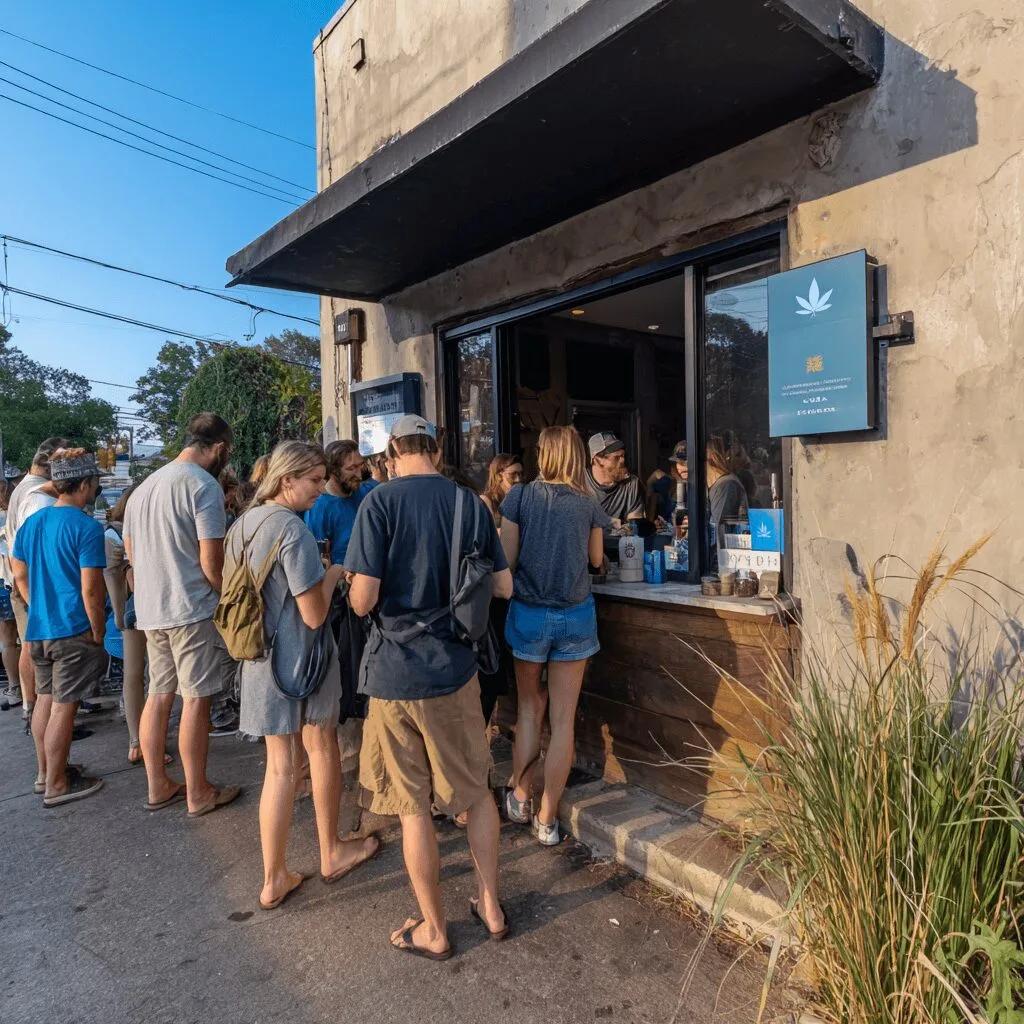
There’s a real buzz around Texas right now, and it’s not just from your neighbor’s backyard grill. With the state actively reviewing a surge in Texas medical marijuana licenses, the green wave in the Lone Star State might finally be reaching more folks who need effective, plant-powered relief. As reforms sweep across the country, patients, advocates, and entrepreneurs are watching closely to see which dispensaries and producers will earn their spot on the coveted list of licensed operators. This movement means access could rapidly expand—and not just in big cities, but in smaller Texas communities, too. Let’s break down what’s happening, why it matters, and who might soon be next in line for that official Texas stamp of approval.
Navigating Texas Cannabis: Background & Context
Texas has always had its own style, especially when it comes to cannabis laws. The state’s approach has historically been conservative, with the Compassionate Use Program (CUP) defining exactly who gets access and how. Designed for patients with a limited list of qualifying medical conditions, the program started small. But as the national push toward reform gained traction, Texas lawmakers expanded eligibility, most recently adding cancer and PTSD to the list of conditions. Regulation is tight. Only state-licensed businesses can provide low-THC cannabis, and the pathway to those prized Texas medical marijuana licenses is more like a marathon than a sprint. Applicants must clear serious regulatory hurdles, from background checks and security plans to proof they can truly serve patients responsibly. These intense regulatory standards echo broader federal and state concerns, including recent discussions about how changing hemp regulations impact local communities nationwide. Local advocates argue that while these standards prioritize public safety, they can also slow access to life-saving medicine. Still, as demand skyrockets and the stigma drops, momentum for expanding Texas medical marijuana licenses has never been stronger.
Key Developments, Who’s in the Pipeline for Texas Medical Marijuana Licenses?
In June 2024, news broke that the Texas Department of Public Safety (DPS) is reviewing an influx of new applications for Texas medical marijuana licenses. Official documents reveal dozens of companies are vying for limited slots, with most hoping to serve the rapidly growing patient population. Only a handful of operators, such as Texas Original Compassionate Cultivation, Goodblend Texas (a division of Parallel), and Fluent, currently hold operating licenses, controlling the bulk of legal supply throughout the state. But as more Texans seek legal access, and reportedly the patient registry has doubled since 2021, pressure is mounting for officials to approve new entrants. According to Fox 4 News, among those in the running are small businesses aiming to bring dispensaries to underserved regions. These developments mirror national policy shifts, such as recent proposals that could redefine cannabis rules across the country. The state’s review process evaluates applicants on everything from facility security to the quality of patient education programs. The DPS is expected to announce the next round of Texas medical marijuana licenses later this year, a move that could dramatically reshape access and competition across Texas.
Expert Analysis & Insights: The Real Impact of More Texas Medical Marijuana Licenses
Industry watchers say expanding Texas medical marijuana licenses could be a “total game-changer” for folks needing safe, legal options. As Morris Denton, CEO of Texas Original Compassionate Cultivation, noted, “The more providers that can deliver high-quality, regulated medicine, the more Texans benefit, in urban and rural communities alike.” That’s echoed by reports in Leafly, which highlight how new licenses often lead to lower prices, faster innovation, and much-needed employment opportunities. This growing acceptance parallels national discussions, with recent political shifts surprising many on both sides of the cannabis debate. But opening up the market isn’t just about business. For many patients, it means less time spent driving hundreds of miles for their next refill. Experts caution that regulatory standards shouldn’t relax; but with responsible oversight, most believe “competition breeds better medicine,” as one state-licensed processor put it. These shifts also reflect a cultural evolution: Texas, while still slower than some states, is moving closer to the mainstream, accepting medical cannabis as an essential, not fringe, treatment option.
The Road Ahead: What’s Next for Texas Medical Marijuana Licenses?
The future looks greener—and a bit less lonely—for anyone tracking Texas medical marijuana licenses. As the DPS continues vetting new applicants, optimism runs high among advocates, patients, and entrepreneurs alike. If regulators expand the license pool, expect more access, better care, and broader social acceptance statewide. Meanwhile, conversations are heating up in the statehouse and at the community level, reflecting the steady shift toward normalization. According to insights from NORML, over 70% of Texans support broader legalization efforts, signaling further progress is only a matter of time. With careful oversight and dedicated advocacy, Texas is poised to lead the southern cannabis movement—proving once again, everything really is bigger (and sometimes, just a bit greener) here.
Originally reported by: fox4news.com


