Minnesota cannabis dispensaries bottleneck: What’s holding back growth?
Right now, everyone’s buzzing about the Minnesota cannabis dispensaries bottleneck—and for good reason. While demand soars and stores prep for booming business, many dispensaries are stuck in neutral. What’s the hold-up? New state licensing rules, confusing regulations, and a stubborn shortage of legal suppliers have many local cannabis shops itching to serve eager customers but unable to move product. In this deep dive, we’ll break down the factors behind this bottleneck, walk you through today’s developments, and shine a light on where Minnesota cannabis dispensaries stand today and what’s next for retailers, patients, and enthusiasts alike.
Understanding the Minnesota Cannabis Dispensaries Bottleneck: Legal, Social, and Market Roots
The Minnesota cannabis dispensaries bottleneck isn’t just a one-off hiccup. It’s the result of a complex blend of regulatory delays and evolving market expectations. Minnesota legalized adult-use cannabis in 2023, promising rapid change (MPR News), but rolling out real, operational dispensaries has proven far more complicated. Under new state law, the Office of Cannabis Management oversees both licensing and compliance. Yet their slow roll-out of licenses and evolving transport rules has left retailers in limbo, while retail and manufacturing supply chains remain fragmented. This is compounded by consumer demand outpacing available legal supply infrastructure. Social acceptance grows, but the patchwork legal status and moratoriums in several counties confuse both entrepreneurs and customers (Star Tribune). Meanwhile, neighboring states’ mixed approaches to legalization and enforcement further complicate cross-border trade, illustrating how shifting regulations can create ripple effects in local markets, similar to high-profile cases where drug seizures have sparked debate, as seen when police fentanyl and marijuana seizures prompt public concern. The result? A classic bottleneck, high interest, slow gear changes, and lots of shops still waiting on the green light.
Recent Developments and Core Issues in Minnesota Cannabis Dispensaries Bottleneck
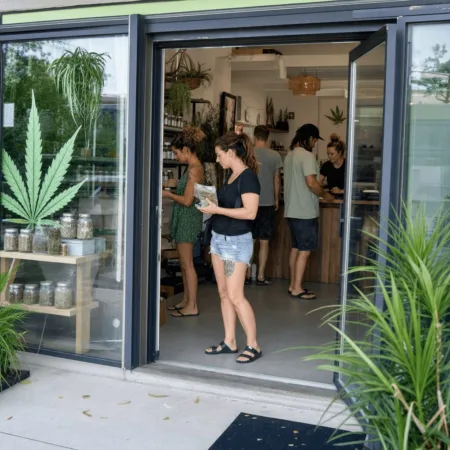
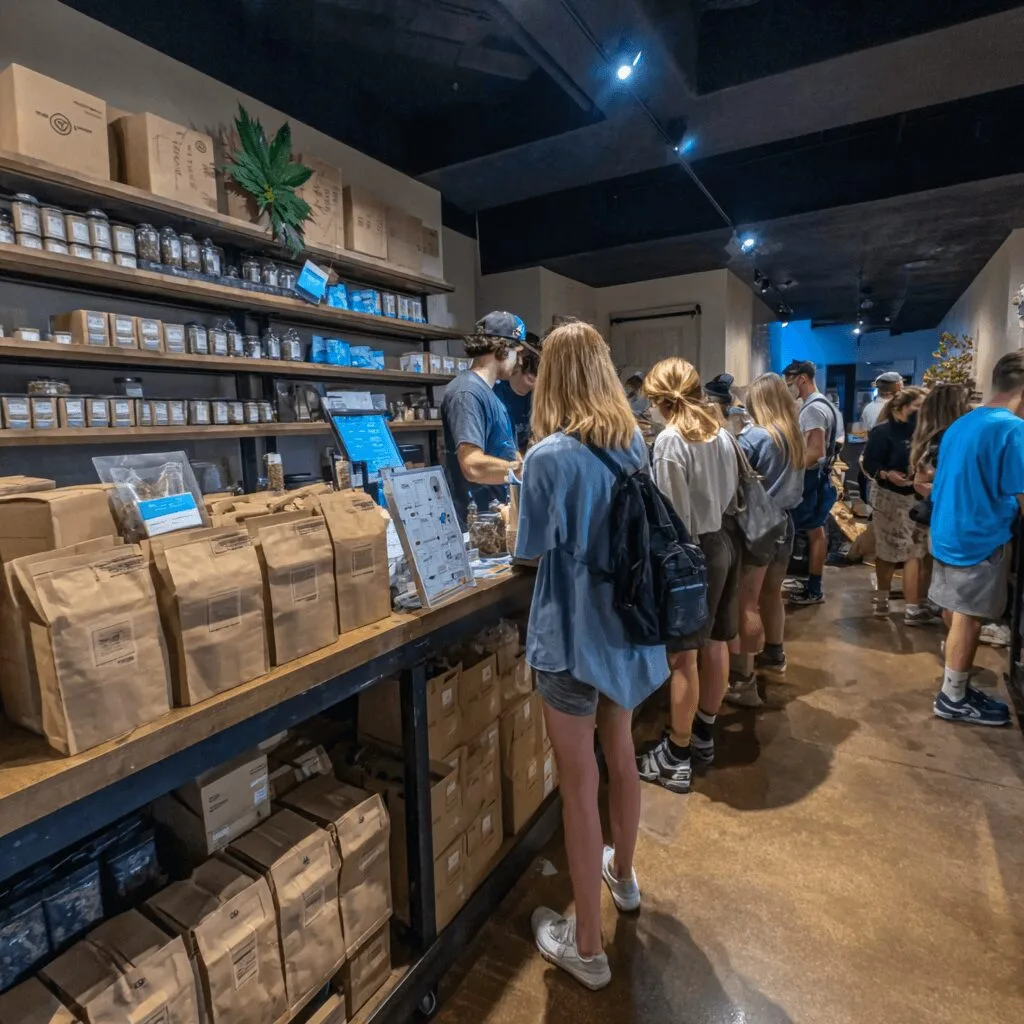
The bottleneck has become especially clear in the last six months. According to MinnPost, new dispensaries across Minnesota are facing major complications due to strict state transport regulations. As of December 2025, only a handful of businesses have received full retail licenses, and even those that have are facing supply-chain gridlock. For example, North Shore Cannabis, a Duluth-based retailer, remains unable to restock shelves as oversight agencies still haven’t processed their supplier’s transport application. Several shop owners say they’re ready to serve customers, with renovated spaces and trained staff, but are stalled by a lack of product delivered through approved channels. The regulatory framework established by the Office of Cannabis Management requires secure, traceable transport of all cannabis products—a move cheered by some for consumer safety, but frustrating to retailers who report weeks-long delays even after product is cleared for transport. KARE11 notes that recent state audits also revealed confusion among logistics companies on what paperwork is required, leading to backlogs and near-empty shelves in several metro shops. Meanwhile, demand is pent-up and visible, customer lines form the day shops open, only for staff to apologize for scarce supply. Entrepreneurs complain of “limbo mode,” investing money but unable to generate sales. At the same time, activists and patients point to the risk of pushing would-be customers back toward the illicit market as legal options appear unreliable. These are echoes of the legal uncertainties and traffic stops occurring elsewhere, such as when Clear Lake officials highlight the dangers of unregulated stops involving drugs. All this underscores the reality of the Minnesota cannabis dispensaries bottleneck: the enthusiasm is there, but the supply chain is stuck in park.
Expert Insights: Breaking Down Minnesota’s Cannabis Bottleneck
This bottleneck is more than just a Minnesota problem, it echoes growing pains seen across newly legalized states. Policy analysts at Marijuana Moment highlight that, nationwide, transport logistics often become ground zero for hiccups when expanding the legal cannabis industry. “What Minnesota is facing right now is a classic roll-out hurdle,” says longtime cannabis industry consultant, Jesse Miles. “It’s not just slow paperwork, the whole ecosystem, from growers to labs to retailers, needs time and trust to sync up. But bottlenecks mean patients and adult-use customers can’t access safe, legal products. That’s a problem the state needs to solve quickly.” Miles’ commentary aligns with a broader truth, early access issues are common but solvable, and usually ease up with state investment in regulatory infrastructure and more robust supply partnerships. Many experts agree, if Minnesota can clear up its paperwork backlog and smooth out licensing kinks, its cannabis marketplace will flourish. According to Leafly, tracking systems and lessons learned from mature markets like Oregon and Illinois can guide Minnesota to a better path. Changing legal frameworks and statewide regulations have made local and federal authorities reassess everything from distribution practices to retail plans, as seen when hemp regulations are scrutinized at the federal level, impacting local jurisdictions. As more stakeholders—patients, new business owners, and regulators—work together, the pressure will only rise to cut this bottleneck down to size.
Looking Forward: Breaking the Chains—A Hopeful Path Beyond the Minnesota Cannabis Dispensaries Bottleneck
Despite today’s snags, the future for Minnesota cannabis dispensaries looks bright. State lawmakers, seeing public frustration and lost revenue opportunities, have already hinted at new legislative fixes for 2026. Industry advocates urge patience and point out that “first-year chaos” is normal in every new legal market. Minnesota’s growing pains signal massive opportunity—especially as voters, patients, and responsible users push for clear, transparent systems. Consumer surveys and recent commentary from Cannabis Economist project market maturity within two years, boosted by regulatory reform and investment. And with social stigma waning and legal protections increasing, Minnesota’s dispensaries are well-positioned to become stable, community-focused retail hubs. If the past is any guide, shops will soon shed the bottleneck and enjoy greener days ahead. Here’s to a smoother ride, smarter laws, and plenty of choices for Minnesotans—high and dry no more.
Originally reported by: minnpost.com