





Police Fentanyl Marijuana Seizure: Major Discovery Revealed
There’s a reason the phrase police fentanyl marijuana seizure is all over today’s headlines: a major bust just rattled everyday conversations about the future of cannabis regulation, public safety, and criminal justice. Why does one police operation matter so much? Because whenever law enforcement seizes large amounts of fentanyl and marijuana together, everyone—from local advocates to national policymakers—takes note. This case isn’t just about drugs on a table; it’s about the intersection of legal reform, health concerns, and changing community attitudes. Let’s break down what happened, why it matters, and what it means for the cannabis industry moving forward.
Regulatory, Legal, and Social Backdrop of Recent Seizures
The cannabis landscape is shifting at warp speed, with more states approving recreational and medical use, fostering significant market growth in several regions. For example, record highs in new markets have been changing the game for patients and businesses alike. What was once taboo is now regulated by agencies like Marijuana Policy Project (MPP) and NORML, organizations at the forefront of shaping pro-cannabis policies. Meanwhile, under DEA scheduling, cannabis remains federally restricted, while fentanyl is categorized as a dangerous controlled substance due to overdose risks cited by the CDC. This legal patchwork creates confusion for law enforcement, fueling debate in local communities. Socially, more Americans are questioning whether police fentanyl marijuana seizures signal public safety progress or simply highlight the need for smarter regulations to separate natural cannabis from synthetic opioids. This tension sets the scene for today’s major news event.
Details of the Latest Police Fentanyl Marijuana Seizure: What Actually Happened
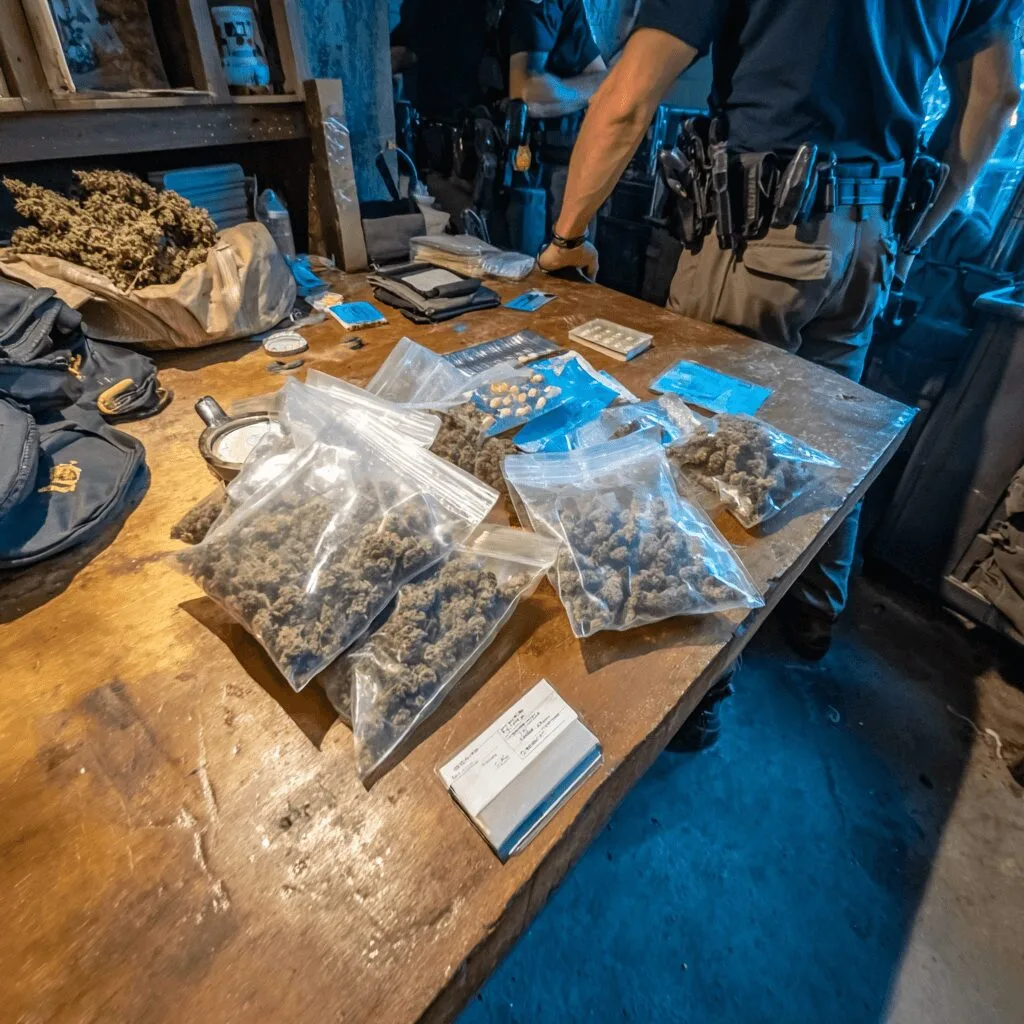
According to the original WBBJTV news report, law enforcement recently executed a search warrant at a residential address on December 1, 2025, resulting in the seizure of multiple substances. Officers discovered several bags of green marijuana buds and additional baggies suspected to contain fentanyl, as well as pill bottles with assorted prescription medications. Police evidence tags, legal paperwork, and scattered paraphernalia filled the room. The operation was described as coordinated, involving multiple units. As stated by the reporting officers, the seizure was prompted by citizen complaints and surveillance indicating possible trafficking. All seized substances were logged and sent for forensic review, and suspects were taken into custody pending official charges. This case joins a string of similar regional operations, as reported by Leafly News, which highlights the ongoing intersection of legal and illegal substances in local communities. Cases like these draw strong reactions, similar to incidents detailed in traffic stops that reveal hidden risks and prompt local debate about enforcement consequences. The phrase police fentanyl marijuana seizure has now become shorthand for these complex, high-stakes investigations playing out nationwide.
Expert Analysis & In-Depth Insights: Beyond Headlines
The cannabis industry has long argued for clear distinctions between lawful marijuana and dangerous synthetic opioids—the federal and state regulatory push and pull only intensifies this challenge. As documented by case studies showing how localities adapt to nationwide rule changes, “lumping natural cannabis with potent synthetics like fentanyl is a regulatory red flag and a missed chance for evidence-based policy,” according to Hemp Industry Daily. Industry expert Dr. Amanda Reiman of Leafly puts it plainly: “These seizures create confusion and mistrust, undermining public understanding of what safe, legal cannabis really is.” The cannabis marketplace is booming, as confirmed by MJBizDaily, reporting the industry hit $34 billion in 2023 and continues to expand, even amid enforcement headlines. But every police fentanyl marijuana seizure complicates the push for broad social acceptance and sensible law enforcement. Advocates want law enforcement focused on actual risks, not conflating legal flower, hemp, and illicit opioids in the public imagination. Professionals echo the need for education, with the policy magazine Marijuana Moment reporting, “Misinformation slows industry progress and perpetuates stigma, despite the science.”
What’s Next? Outlook for the Cannabis Industry and Public Policy
Despite headline-grabbing police fentanyl marijuana seizure operations, the momentum for sensible cannabis reform and normalization grows stronger by the day. States from New York to Missouri continue to expand legal cannabis marketplaces, while national polls from Pew Research show broad bipartisan support for legalization or medical access. Lawmakers and industry insiders urge targeted law enforcement—distinguishing real threats like fentanyl trafficking from legal, regulated marijuana. Communities benefit when public health and safety are prioritized through facts, not fear. The takeaway? While the police fentanyl marijuana seizure headlines fuel important debates, they also highlight opportunities for smarter policy and better public education. Cannabis is here to stay, and proactive, informed regulation—as recommended by credible analysts—will keep consumers safer, businesses thriving, and society moving forward.
Originally reported by: wbbjtv.com

1 Comment
Pingback: Minnesota cannabis dispensaries bottleneck: What’s holding back growth?