





Psilocybin Advisory Board: Legal Treatment Board’s Public Meeting
The psilocybin advisory board is stepping into the spotlight at a vital moment for both psychedelics and cannabis reform. With more states rethinking decades-old drug laws, their first public meeting in New Mexico signals massive shifts in how we approach alternative mental health treatments. This board’s debut is more than procedural; it connects medical professionals, lawmakers, and advocates ready to redefine what’s possible in legal wellness. We’re watching history here—expect precedent-setting moves, fresh regulatory debates, and a ripple effect for the cannabis and psychedelic communities alike.
How the Psilocybin Advisory Board Fits into a Changing Regulatory Landscape
Legal access to psychedelics like psilocybin has become a front-line issue, echoing the broader evolution the cannabis industry saw over the last decade, including challenges such as regulatory slowdowns impacting dispensary rollouts. Traditional taboos are cracking, Oregon became the first state to legalize supervised psilocybin treatment, setting a powerful regulatory precedent according to Oregon Health Authority. Since then, lawmakers, clinicians, and advocates nationwide are tracking local reform. New Mexico’s psilocybin advisory board arrives in a legal gray zone: psilocybin remains federally classified as a Schedule I substance, so every move requires careful compliance and diplomacy. The state’s decision to create an official board displays a willingness to lead, blending cautious optimism with real community consultation. By pulling together clinicians, scientists, consumers, and legal pros, the psilocybin advisory board hopes to balance public safety concerns with patient demand. Expect heated debate around funding, medical access, and cultural representation, reflecting some of the complexities seen in medical marijuana oversight in past years, as noted by respected outlets like Leafly.
Key Developments from the Psilocybin Advisory Board’s Launch in New Mexico
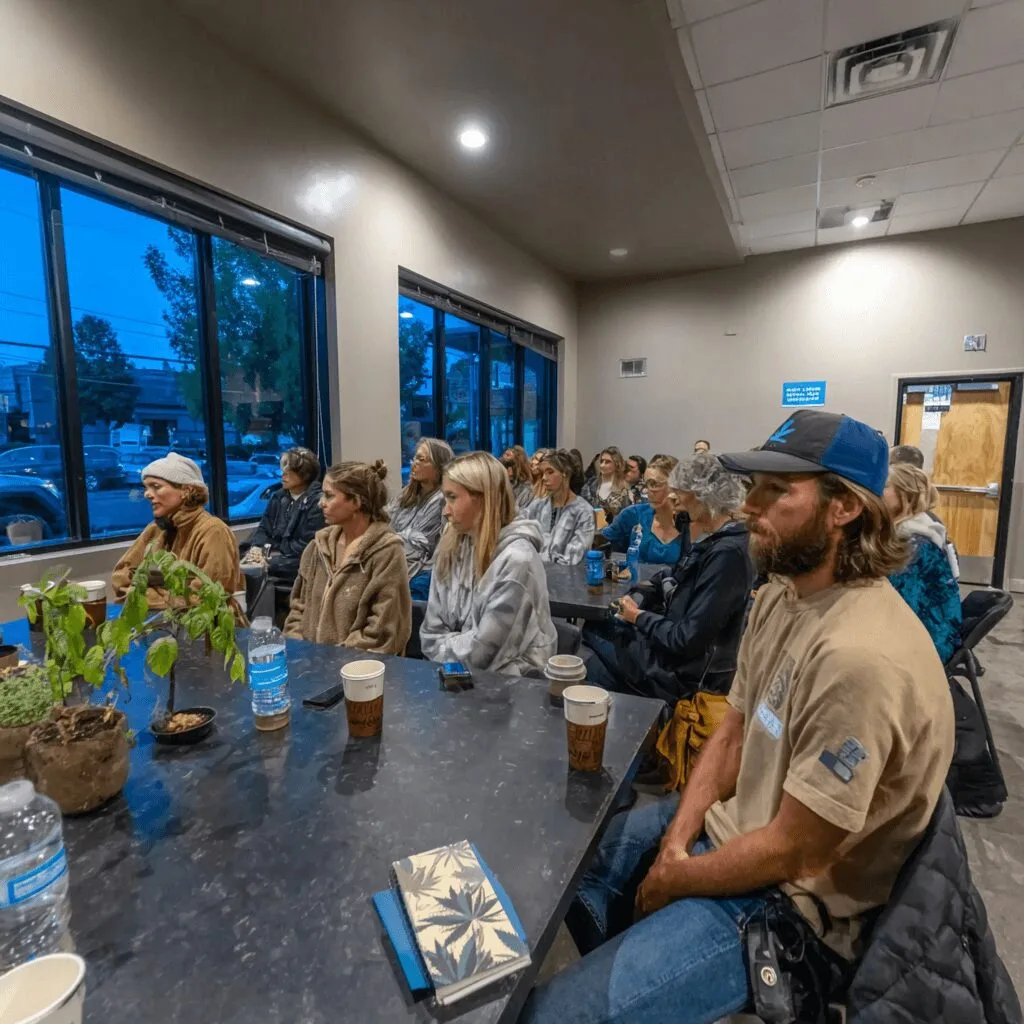
On December 2, 2025, the newly formed psilocybin advisory board in New Mexico held its first ever public meeting. The gathering, hosted at an accessible community center, attracted a mix of medical experts, advocates with deep roots in the cannabis reform world, and cautious policymakers. Discussions about potential safety protocols and public input guidelines touched on topics such as mitigating risks akin to those encountered in cannabis-induced adverse reactions. The meeting agenda focused on setting public input guidelines, discussing potential safety protocols, and mapping the statutory limits for therapeutic psilocybin use. Representatives highlighted the urgent need for clear educational outreach and transparent licensing, echoing the best practices seen in regulated cannabis markets. As reported by KUNM (local news authority), stakeholders voiced hope but also skepticism—especially regarding insurance coverage, practitioner training, and patient rights. Some observers wore subtle cannabis insignia, reminding all in attendance that many view psilocybin reform through a similar lens as cannabis legalization, both medically and culturally. The psilocybin advisory board now faces the real task, writing policy that balances harm-reduction, health, and equitable access, all while federal prohibition persists.
Analysis: Why the Psilocybin Advisory Board’s Work Matters for Cannabis & Psychedelic Industry Growth
When a state launches a psilocybin advisory board, it’s not just about magic mushrooms, it means cannabis and other plant-based therapies are gaining mainstream momentum. The shared momentum and regulatory hurdles are evident in markets showing rapid transformation, as seen when record highs in patient engagement change the game for cannabis markets. This board’s launch stands alongside industry milestones, including the wave of medical cannabis acceptance and Oregon’s pioneering moves. According to Marijuana Moment, “States with advisory boards see faster, safer adoption of complex health reforms.” Bringing diverse professionals to the same table, the New Mexico board is uniquely poised to connect the dots between mental health needs, legal realities, and public demand. Industry icon Dr. Amanda Reiman put it aptly in a recent Forbes interview: “Any time we create an advisory body rooted in evidence and advocacy, we nudge the door open for better laws and healthier lives.” That’s the real win, expert-driven oversight means legalization can finally focus on patients, not just profit or punishment. By engaging the public early, this board stands a far better chance of navigating classic pain points: stigma, misinformation, access barriers, and medical gatekeeping. And let’s not forget: advisory boards fuel research, which feeds smarter public health policy—something cannabis reformers have been shouting about for years.
Outlook: What the Psilocybin Advisory Board Means for the Future of Legal Therapeutics
We’re entering an era where plant therapies—from cannabis to psilocybin—are no longer fringe, but front-line public health conversations. The psilocybin advisory board’s launch in New Mexico offers a playbook for other states and fresh opportunities for advocates, researchers, and entrepreneurs who believe in responsible access. With each board that meets, each cautious regulation drafted, our culture inches closer to replacing outdated stigma with evidence-based policy. As industry analysts at the National Institutes of Health have pointed out, comprehensive advisory boards drive real, measurable social and health benefits. Expect more states to follow suit, blending cannabis expertise, psychedelic science, and real-world community voices into the reforms ahead. The vibe is changing—collaboration, transparency, and respect may finally take root as these new boards guide us into the future.
Originally reported by: kunm.org


