





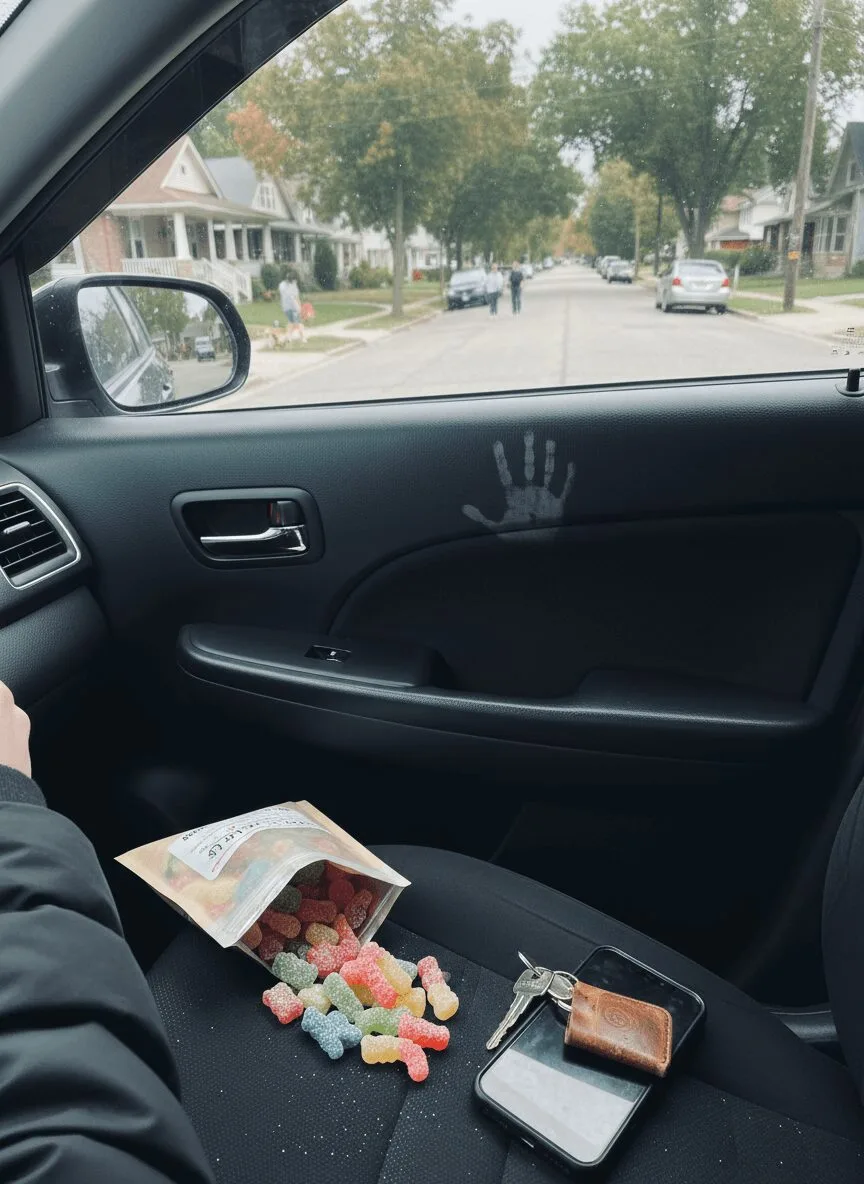
Cannabis edibles crash risk: What drivers must know now
Right now, the cannabis scene is booming. Edibles are more popular than ever, but with that rise comes growing buzz about the cannabis edibles crash risk. Recent studies and regulatory debates are making headlines, and it’s crucial for anyone in the driver’s seat—literally or figuratively—to understand what’s changing and why it matters. This article breaks down the science, law, and real risks (and myths) to keep you safer and smarter on the road.
The Regulatory, Legal, and Social Backdrop Around Cannabis Edibles
Cannabis legalization has shifted the landscape fast, with NORML and other groups tracking steady growth in consumer rights. Edibles, once hush-hush, are now a billion-dollar market (think gummies, brownies, and drinks), but each comes with legal gray areas, especially regarding driving. Regulations vary widely by state. For instance, Illinois regulators have set strict per se THC blood limits for drivers, but enforcement is tricky. Lawmakers and law enforcement face the challenge of developing roadside tests that separate casual use from impairment. Socially, the normalization of edibles is outpacing public education about effects and risks, especially the significant delay in onset compared to smoking or vaping. That gap can catch new users off guard, leading to accidental overconsumption or delayed impairment. The cannabis edibles crash risk is now central to policy talks, insurance guidelines, and roadside safety campaigns. These trends shape how regulators view both public health and personal freedom in the evolving cannabis landscape, mirroring changes reported in shifting cannabis enforcement in Alachua County’s booking records.
Recent Study Spotlights Cannabis Edibles Crash Risk
A new 2026 University of Saskatchewan study sounds the alarm over the cannabis edibles crash risk for American drivers. Researchers looked at over 200 controlled scenarios. Their findings? Drivers under the influence of edibles showed much higher accident rates than those consuming other cannabis products. The core culprit: delayed onset. Users often underestimate the time it takes for edibles to affect them. One case from January involved a driver in Colorado who, thinking he was sober, got behind the wheel ninety minutes after consuming a potent edible. He caused a fender-bender when the effects hit unexpectedly, a scenario the study says is becoming more common. The report, cited in Leafly and Forbes, indicates the cannabis edibles crash risk is tied not only to THC dose but also to individual metabolism, labeling accuracy, and user education. In states like California and Oregon, regulators have responded with new outreach campaigns and proposed packaging reforms to make effects and timing clearer to consumers, a response reminiscent of recent cannabis-related law enforcement developments in SWLA. The debate is heating up at every level of government, and in every dispensary checkout line.
The Real Story: Context, Analysis, and Human Expertise
Now, let’s chill for a moment and look deeper. No one’s arguing cannabis edibles are the leading cause of fatal crashes, that’s still alcohol or distracted driving, according to NHTSA data. But with popularity soaring, the cannabis edibles crash risk is a real concern, especially for new or infrequent users. “Edibles take longer to kick in, so a lot of people make the rookie mistake of doubling up when they don’t feel immediate effects,” says cannabis safety educator Eunice Song, as quoted in Cannabis Business Times. “Then, when it hits, it can surprise them, it’s not like a beer that you feel right away.” Lapses in judgment happen across all demographics, but education and labeling are closing those knowledge gaps fast. Data from Hemp Industry Daily show a positive trend: dispensaries and brands now train staff to discuss the delayed effects of edibles and distribute safety cards about responsible consumption. The cannabis community isn’t ignoring the risk, instead, it’s getting in front of the issue with science-first, user-focused messaging. These proactive measures align with industry advances such as the evolving retail regulations on hemp THC beverage sales. The goal? Stop preventable crashes without overreacting or spreading stigma. The expert consensus: treat edibles with the same respect you’d treat a microbrew, enjoy, but know your limits and timing.
What’s Next for Cannabis Edibles Crash Risk and Safe Driving?
The cannabis edibles crash risk fuels a crucial conversation about safety, legalization, and responsible use. As new research emerges and lawmakers get more data, expect smarter regulations to follow. Industry leaders are stepping up: better packaging, transparent testing, and public campaigns about timing are now standard in states leading the charge. Social acceptance keeps rising as myths get replaced by facts, and more users understand the do’s and don’ts. For drivers, it’s all about timing—wait longer than you’d expect, don’t rush, and be honest with yourself about how you feel. The future looks bright: with balanced regulations and open conversations, cannabis can enhance, not endanger, modern life. According to recent commentary at Marijuana Moment, the industry is confident that consumer education will reduce incidents as legalization expands. So crack a window, let in the sunshine, and respect the edible ride—this is just one more growing pain on the way to real, nationwide normalization.
Originally reported by: technology.org


1 Comment
Pingback: Cannabis Impaired Driving Devices: How Cops Catch High Drivers