




The cannabis landscape is evolving at lightning speed, and now, cannabis impaired driving devices are making headlines. Legalization is spreading, but driving under the influence remains a major safety concern for both advocates and critics. Law enforcement across the US is rolling out new roadside tech to detect cannabis use among drivers, and that’s raising not just eyebrows but real questions about accuracy, fairness, and privacy. Here’s what’s going on with cannabis impaired driving devices and why anyone who cares about cannabis and policy needs to pay attention.
Why Cannabis Impaired Driving Devices Matter: Legal and Social Backdrop
Legal cannabis has become mainstream across an ever-growing chunk of the US. According to NORML, 24 states and DC have legalized recreational cannabis, with more on the ballot for 2024. Meanwhile, some states have streamlined cannabis enforcement—recent shifts are highlighted in discussions about shifting cannabis enforcement seen in Alachua jail booking records—while places like Minnesota gave the green light for recreational use, but firmly drew the line at impaired driving. The law is pretty clear, no one wants stoned drivers endangering road safety. Yet there’s a huge gap between having THC in your system and actually being impaired behind the wheel. Regulators, cops, and lawmakers are under pressure from both public safety advocates (think NHTSA) and cannabis users who want rights protected and science-driven standards adopted. This tension sparked the race to develop cannabis impaired driving devices that can deliver quick, reliable, and fair results roadside. At issue are accurate impairment detection, civil liberties, and how law enforcement adapts to this new legal terrain.
Key Developments: The Push for Roadside Cannabis Impairment Testing
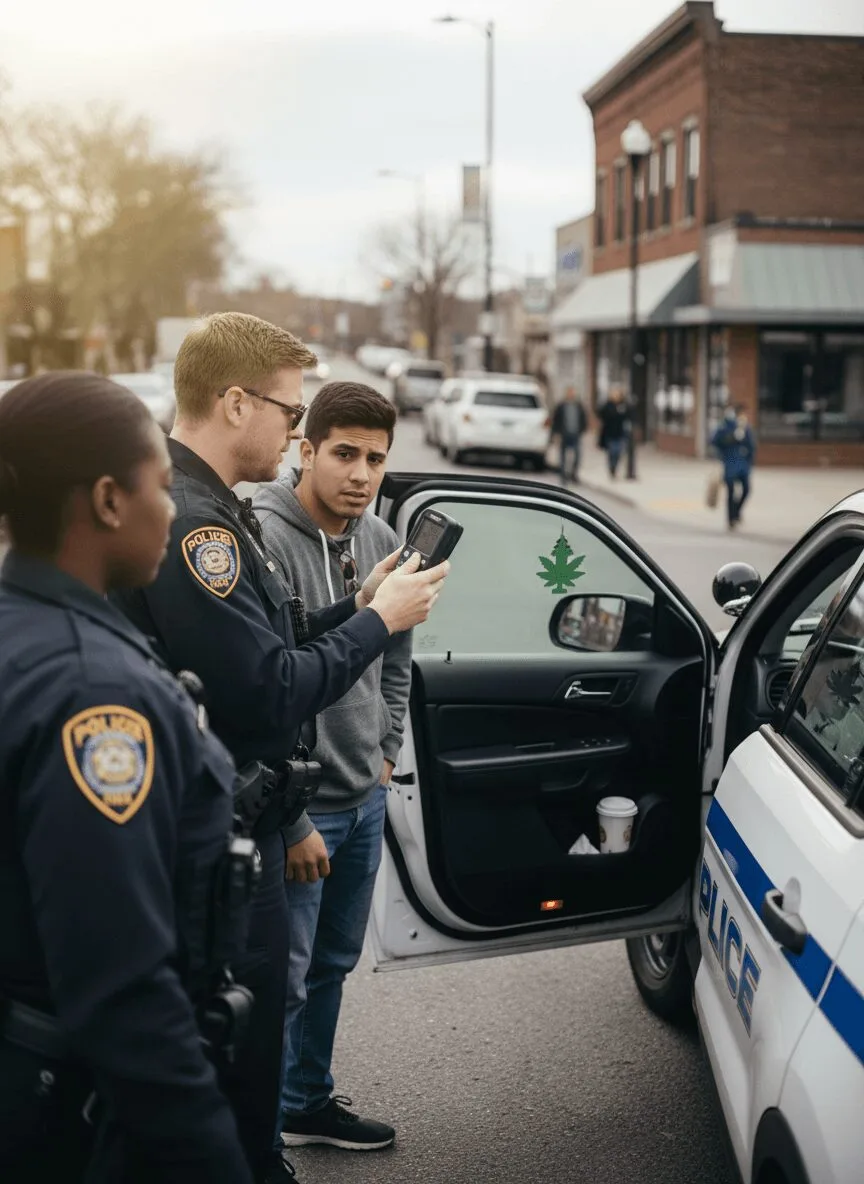
According to recent reports from the Star Tribune, Minnesota police are gearing up to deploy new cannabis impaired driving devices as legalization rolls out statewide. These handheld devices, already piloted by several agencies, are designed to test saliva for THC metabolites right at the roadside. The push stems from concern over a predicted spike in cannabis use on the roads now that retail sales are legal and more accessible. The star of the show, products like the Hound Labs Breathalyzer and Abbott’s SoToxa, are both part of a new wave of tech promising results within minutes. Minnesota has already allocated $1 million to begin equipping state and local agencies before the commercial market floods. Officers, often trained only in alcohol impairment cues, are heading back to class for marijuana-specific recognition and device operation. It’s a huge move for public safety, but it’s also raising technical and civil rights concerns: how well do these cannabis impaired driving devices distinguish between recent, relevant intoxication and past use? Industry experts and legal analysts point out that the CDC and other authorities still debate what constitutes clear ‘impairment’ versus simply having THC in your system. There’s also real-world urgency—news stories, such as increased crash risks related to cannabis edibles are raising awareness about driver safety as legalization expands. The broader market is watching closely as other states, like California and Illinois, eye the same roadside solutions for their own legalization rollouts.
Expert Analysis: Between Science, Rights, and Cannabis Culture
The deployment of cannabis impaired driving devices is the new front line in the battle for fair, useful roadside testing. While the intention is public safety, there’s nervousness in the cannabis community and beyond around accuracy and privacy implications. Dr. Staci Gruber, a respected neuroscientist at Harvard Medical School, recently argued, “There is no definitive roadside marker for cannabis impairment comparable to BAC for alcohol” (Leafly News). That hits at the heart of the debate, unlike alcohol, THC lingers long after the buzz is gone, meaning someone testing positive may be completely sober. Cannabis impaired driving devices need to evolve beyond simply finding THC in saliva or breath—they must demonstrate recent use, impairment, and account for differences in individual metabolism. This complex legal, scientific, and social puzzle mirrors some of the regulatory challenges faced by the hemp beverage and THC retail sectors as sales rules rapidly evolve. Many advocates support rigorous, evidence-based policies, not knee-jerk crackdowns. According to Marijuana Moment, more states are demanding third-party validation of these devices before widespread rollout, showing that skepticism is rising from both within and outside the cannabis community. At the end of the day, a balance has to be struck, safe roads, yes, but also scientific rigor and respect for our civil liberties. This is about setting good policy, not just policing.
The Road Ahead: Trust, Tech, and Cannabis Normalization
As cannabis impaired driving devices move from prototypes to patrol cars, the industry and consumers alike are in a collective ‘wait and see’ mode. Many leading cannabis analysts at MJBizDaily predict that, as technology improves and standards mature, roadside testing will become fairer, faster, and more reliable. That’s critical for both road safety and wider legalization efforts. Remember: cannabis isn’t going anywhere, and responsible use is now a social norm in much of America. Innovating cannabis impaired driving devices represents progress—as long as accuracy, fairness, and education keep pace. The goal? Safer streets, smarter science, and a cannabis community that can enjoy its rights without stigma. The next few years will decide whether this tech is a punchline or a real solution. For now, let’s keep driving toward an industry standard everyone can trust.
Originally reported by: startribune.com


4 Comments
Pingback: State Police honor sergeant with heartfelt Riverhead tribute
Pingback: DUI Drug Arrests Kentucky: Shocking Details from Traffic Stop
Pingback: Pennsylvania medical marijuana: Why Are Patients Leaving?
Pingback: Texas medical marijuana industry: Booming Growth & New Opportunity