


Police Officer Death Suspect Case: Shocking New Details
News of the police officer death suspect has hit the national spotlight, sparking deep discussions that intersect justice, drug laws, and public perception. Headlines linger not only on the tragedy itself, but also the presence of cannabis at the scene—fueling debate on how society views marijuana within legal and criminal frameworks. As the case unfolds, it’s clear this story isn’t just about one event—it’s about systemic shifts in policy, culture, and policing.
Understanding the Legal and Social Landscape Around Cannabis & Law Enforcement
The police officer death suspect case sits at the messy crossroads of changing cannabis regulation and deeply rooted law enforcement tradition. For decades, cannabis was in the doghouse, but recent years have seen major regulatory shifts. According to NORML, over two-thirds of U.S. states have legalized cannabis medically or recreationally. Yet, despite this progress, the stigma lingers, especially where officers and courts are concerned. Cases like this lay bare how legacy perceptions shape law, with marijuana often being associated with more serious offenses. Notably, regional incident reports like the Alachua Jail Booking Log reveal shifting patterns in cannabis enforcement, echoing the ongoing transition. Meanwhile, trusted industry reports such as those from New Frontier Data confirm the plant’s expanding market relevance and steady social normalization. Events like this one cast a bright light on the discord between policy innovation and traditional enforcement attitudes, reminding us that reform is as much about culture as it is about law.
Recent Developments in the Police Officer Death Suspect Case
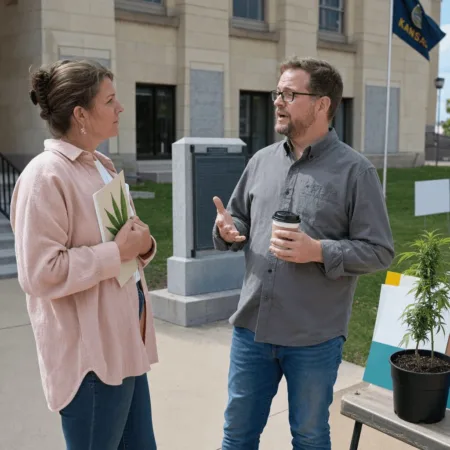
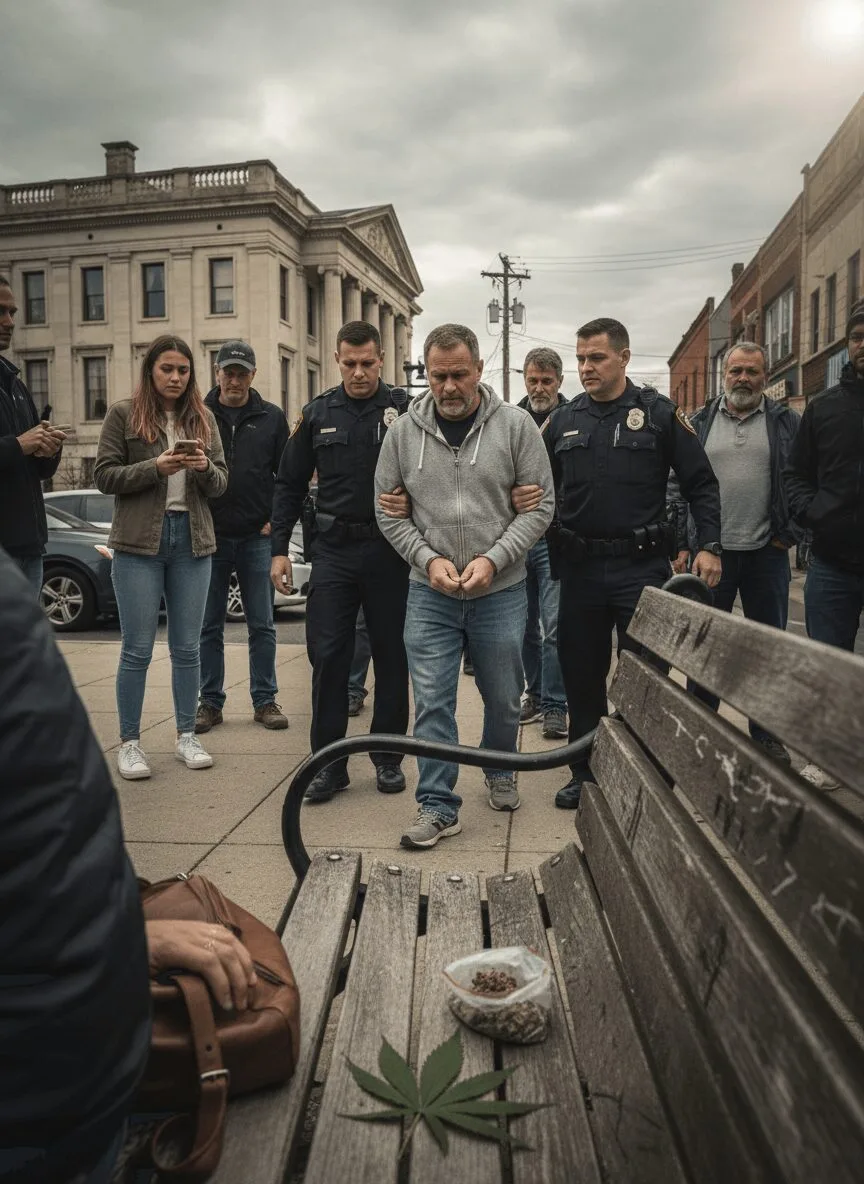
According to NBC 15 News, the police officer death suspect—identified as Jerrold Coates—was apprehended outside a Washington, D.C. courthouse. He was escorted by officers after being charged following the death of Metropolitan Police Department officer Terry Bennett. The investigation revealed that Coates, who uses a wheelchair, was allegedly under the influence of both alcohol and marijuana at the time of the incident. The court denied Coates bond, keeping him in custody pending trial. Eyewitnesses described a somber scene outside the courthouse, where a cannabis leaf and bag were photographed near bystanders, adding to public curiosity. Legal filings show that evidence included both intoxication and possession of marijuana, factors fueling ongoing conversations about cannabis policy and its role in complex criminal cases. As these events unfold, new industry trends such as retail challenges around hemp THC beverage sales also spur broader debates on legal substance use. The case has resurfaced heated debates among city residents and legal experts, especially as new bodycam footage and forensic reports shed light on the timeline and specifics of the event. For more specifics on legal process and court dates, you can reference updates from D.C. official government resources to track proceedings. The emotional ripple hasn’t just affected law enforcement but brought renewed scrutiny to how suspects with disabilities are treated and the interplay of legal substances in the justice system.
Expert Insight: Dissecting the Case and the Ongoing Cannabis Narrative
While the police officer death suspect case dominates headlines, seasoned experts urge perspective. There’s a world of difference between linking cannabis to criminality and responsibly contextualizing its role. As cannabis researcher Dr. Amanda Reiman told Leafly News: “Cannabis alone is rarely the root criminal factor, context and individual circumstances matter. The real conversation should be about proper use, access to substance education, and evidence-based policy.” Put plainly, pointing to cannabis as the cause rather than a correlate does a disservice to the facts. Recent SWLA arrest reports on cannabis-related developments further indicate that the plant is often tangential rather than central in most legal cases. The majority of modern studies, including findings from Drug Policy Alliance, consistently show the plant by itself does not inherently increase risk of violence or fatal incidents. This distinction remains critical as defense attorneys and community advocates emphasize substance responsibility and harm reduction instead of outdated condemnation. Even mainstream opinion pieces in respected publications like Forbes indicate a slow, steady movement toward more rational, science-based discussion. Although alcohol and poly-substance use complicate cases, it’s essential to recognize when cannabis is merely present, not necessarily pivotal.
The Road Ahead: Cannabis Reform, Social Progress, and the Larger Conversation
This police officer death suspect case has reignited questions about drug stigma, equal justice, and the slow crawl of reform. As states push forward on both decriminalization and regulatory improvements (with the California Bureau of Cannabis Control offering a model of comprehensive oversight), broader acceptance is palpable. Public attitudes, documented by sources like the Pew Research Center, continue shifting in favor of safe cannabis use. It’s a reminder that even in the wake of tragic, complex incidents, the industry’s growth, social normalization, and regulatory advances are steadying the future. There’s plenty of work still to do—education, safe access, and fairness all need spotlight—but every headline like this lays a brick on the path toward a fair, responsible cannabis ecosystem.
Originally reported by: mynbc15.com