


Cannabis Compounds Cancer Treatment: Breakthrough Research Revealed
Let’s talk real—cancer, as scary as it is, has forced science to search for solutions beyond the usual pharmaceutical shuffle. Hot on everyone’s lips right now? The game-changing role of cannabis compounds cancer treatment, with promising research grabbing headlines and sparking hope for better outcomes. With cannabis reform rolling across the globe, both patients and caregivers are watching closely as scientists dig into how cannabinoids might fight aggressive cancers. This fresh wave of studies is making the medical community—and us cannabis advocates—stand up and take notice.
The Evolving Landscape: How Regulation, Markets, and Science Shape Cannabis Compounds Cancer Treatment
Cannabis has come a long way from counterculture rebellion to mainstream acceptance, especially in the medical world. According to state medical cannabis laws tracked by the National Conference of State Legislatures, over 40 U.S. states now allow some form of medical cannabis access, creating fertile ground for research into applications like cancer therapy. Internationally, Canada, Germany, and Israel play leading roles in both clinical trials and regulatory frameworks, as shown by Cancer Network’s overview of medical cannabis in oncology. Nevertheless, researchers still face restrictions because cannabis remains federally scheduled in the U.S. This patchwork of rules can slow down studies and patient access, especially as regulations start to shift at the federal level, a topic explored further in recent changes to marijuana rescheduling and federal policy. At the same time, public attitudes are shifting quickly. Surveys by Pew Research Center reflect massive support for medical cannabis, putting pressure on regulators to ease barriers for therapies, like the cannabis compounds cancer treatment now making waves.
New Research Unveiled: The Promise and Progress of Cannabis Compounds Cancer Treatment
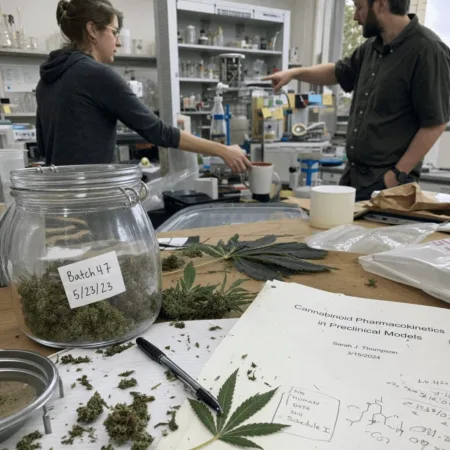
Just dropped in peer-reviewed circles, recent research has everyone buzzing. According to SciTechDaily’s coverage, scientists have been testing specific cannabis-derived compounds against glioblastoma, one of the deadliest and most stubborn brain cancers out there. Led by experts at the Technion – Israel Institute of Technology and collaborating research teams abroad, the investigation focused on the interaction between cannabinoids and tumor cell signaling pathways. The upshot? Select cannabis compounds, including non-psychoactive CBD and certain rare cannabinoids, demonstrated significant cancer cell suppression in preclinical models. The research team cross-validated findings, using both cell cultures and animal models to mimic real-life scenarios. Notably, the compounds appeared to work well in synergy with some existing cancer medications, hinting at combo therapies that could boost patient outcomes. Importantly, this kind of innovation is being supported at the local level as well, as community funding devoted to cutting-edge cannabis research is impacting real lives through marijuana sales funding local nonprofits and research. What’s more, according to a National Cancer Institute initiative, interest and funding for such studies are on the rise. While human clinical trials aren’t yet finished, the buzz is real, and so is the hope that cannabis compounds cancer treatment could soon help patients left behind by other therapies.
Expert Takes: Why Cannabis Compounds Cancer Treatment Matters Now More Than Ever
Let’s break it down with some real talk. The surge in cannabis compounds cancer treatment studies reflects a broader shift in how medicine approaches complex disease. As Cannabis Business Times reports, researchers aren’t just chasing pain relief, they’re digging into cannabis’s anti-tumor and anti-inflammatory effects. Dr. Dedi Meiri, who leads the Technion cannabinoid lab, puts it plainly: “We’re finding a complex, nuanced interaction between cannabis compounds and cancer cell pathways, the old ‘stoner stereotype’ is getting shattered by hard science. The hope is not just easing symptoms, but targeting the root of the cancer itself.” This sentiment is echoed across the industry, with Project CBD highlighting a flood of new data pointing toward cannabinoids’ role in apoptosis (that is, cancer cell self-destruction). Still, let’s not kid ourselves, challenges remain. Legal slow-walks and funding gaps can stretch timelines. But as Dr. Yasmin Hurd of Mount Sinai Hospital told Nature, “Every year, we’re moving closer to seeing these discoveries make a difference in clinics, science is winning against stigma.” On that front, state oversight continues to respond with reforms considering both medical and safety perspectives, as seen in the recent overhaul of cannabis control commissions—developments that signal wider acceptance and ongoing progress for all aspects of cannabis-based care.
Outlook: Cannabis Compounds Cancer Treatment and the Bright Road Ahead
It’s clear—the storm of interest in cannabis compounds cancer treatment isn’t slowing. Tailwinds come from both the medical community and shifting public attitudes, with demand for plant-based therapies hitting new highs (pun intended). Regulatory doors are opening, as countries like Israel and Canada pump major support into next-gen trials. According to Forbes, biotech firms across North America are teaming up with academic partners, fast-tracking clinical research and pushing for FDA clearances. With steady progress, better access, and a growing stash of clinical evidence, patients have powerful reasons to stay hopeful. In the end, cannabis advocacy is fueling a movement not just for legalization, but for real medical breakthroughs—cementing cannabis compounds cancer treatment as a headline act in the fight for lives and hope. Stay tuned as more patients, doctors, and advocates rally for science and sanity in the cancer wars.
Originally reported by: scitechdaily.com