

DC unlicensed cannabis shops: What’s really happening?
DC unlicensed cannabis shops are all over the headlines—and not without reason. Recent crackdowns have rattled the local cannabis scene, triggering concern and curiosity among residents, business owners, and anyone interested in the future of legal weed. With shifting regulations and the city’s long-standing gray market, understanding what’s unfolding with DC unlicensed cannabis shops has never been more important. In this article, we break down the latest news, offer expert analysis, and give an insider’s look at both the challenges and progress happening right now in the District.
Understanding DC Unlicensed Cannabis Shops: Background & Context
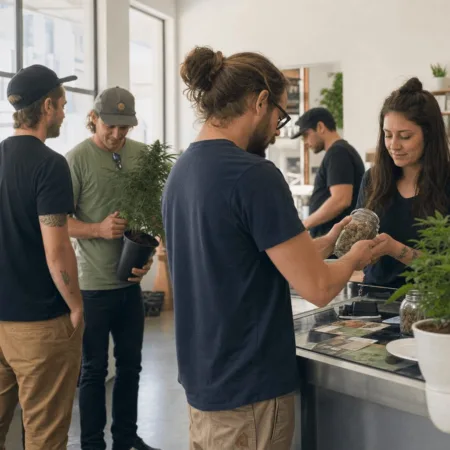
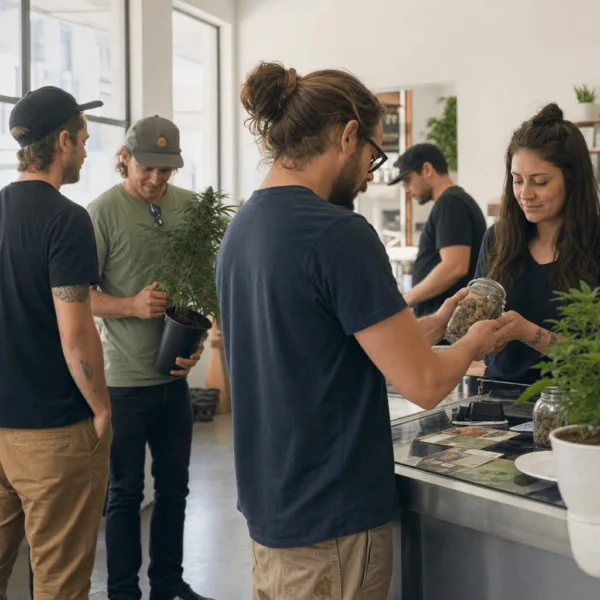
The rise of DC unlicensed cannabis shops is rooted in unique legislative quirks. Since the passage of Initiative 71 in 2014, adults over 21 can legally possess and grow cannabis in small amounts, but commercial sales remain federally prohibited due to Congressional oversight. This loophole has fueled a robust unlicensed market, with vendors cleverly ‘gifting’ cannabis alongside purchases of other goods or services. According to Marijuana Policy Project, this workaround makes DC one of the most unusual cannabis markets in the country. Recent years have seen hundreds of unlicensed storefronts, pop-ups, and delivery services arise, underscoring strong local demand and community support despite ongoing legal ambiguity. Increased community activism mirrors trends in how marijuana sales are funding nonprofits and revitalizing local communities in other regions.
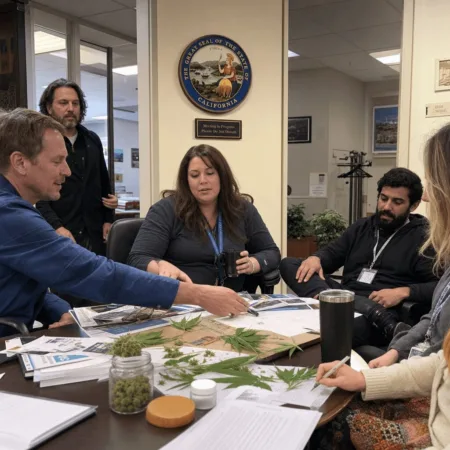
Local leaders have grappled with balancing public safety and consumer access. Regulatory agencies, such as DC Health and the Alcoholic Beverage and Cannabis Administration (ABCA), continue to adapt enforcement strategies. The situation is further complicated by DC’s lack of autonomy from Congress, a factor that delays or blocks more nuanced local cannabis reform. Socially, these shops provide access for residents, especially those who can’t, or don’t want to, navigate the city’s limited medical dispensary landscape. Clearly, DC unlicensed cannabis shops are a symptom of deeper political and social currents.
Key Developments: Enforcement, Raids, and Real-Life Impact
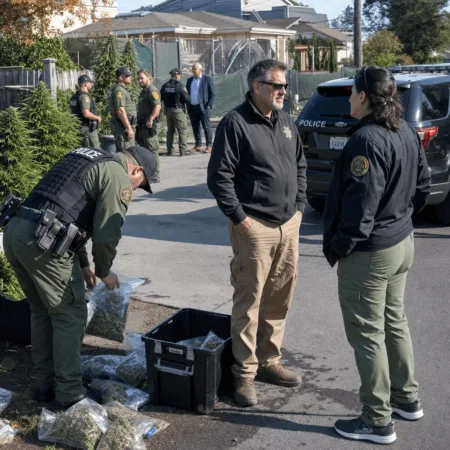
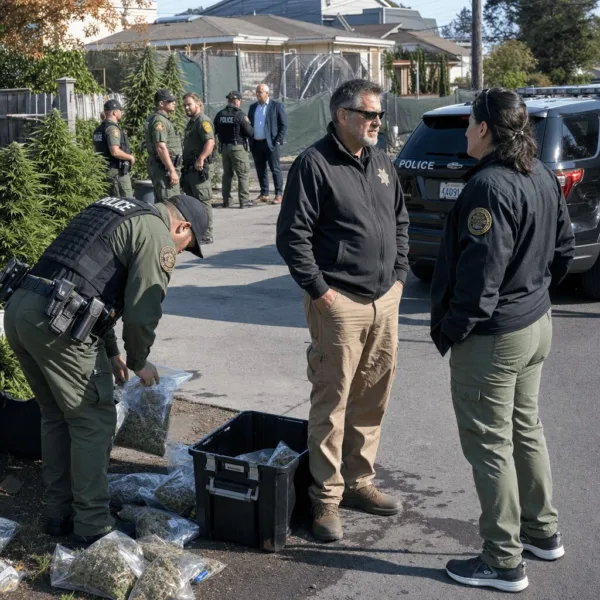
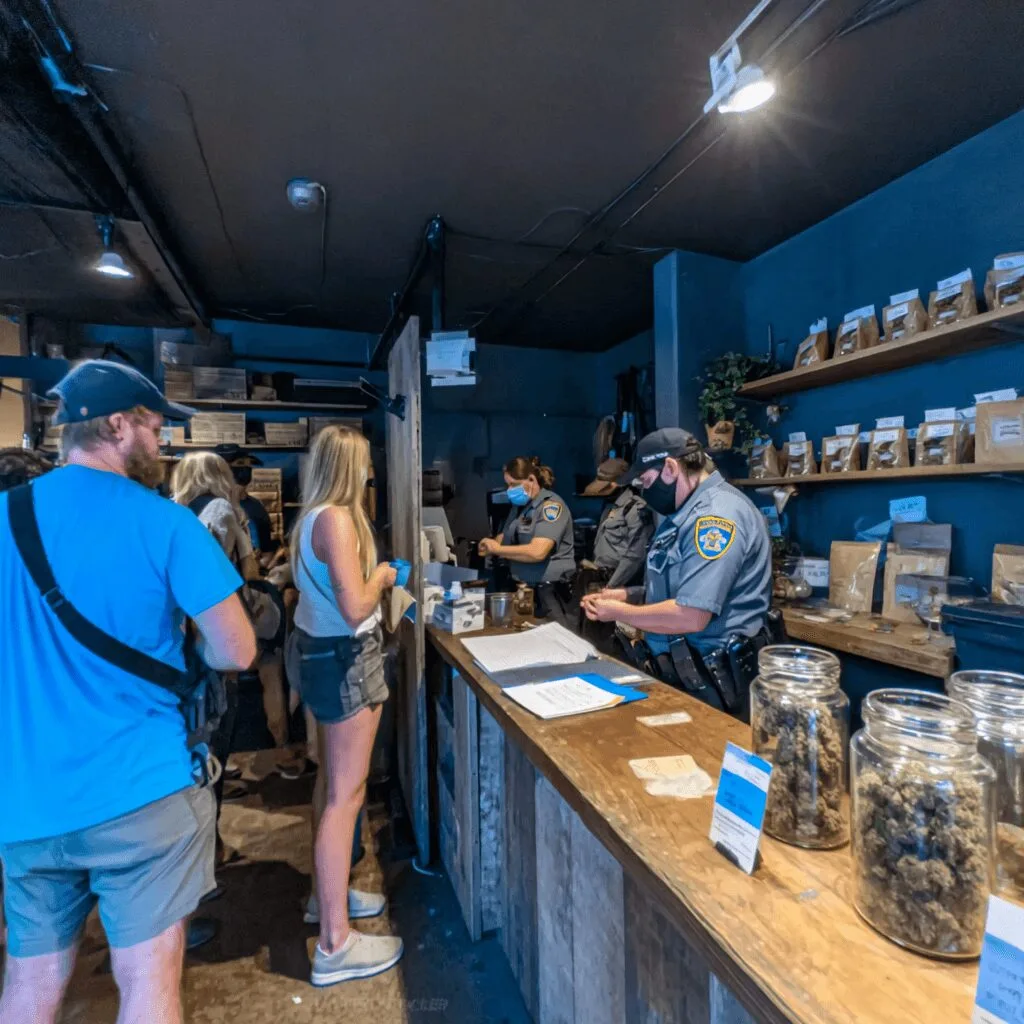
According to a recent report published by the Outlaw Report, DC officials shut down five alleged unlicensed cannabis shops in early June. The raids led to four arrests, with charges ranging from distribution of marijuana to maintaining a nuisance. As government crackdowns continue, concerns mirror those in other states—such as the risk of safety issues tied to fentanyl found in illegal cannabis—that highlight public health considerations. Authorities said these enforcement actions followed tips from concerned residents and undercover investigations led by the Metropolitan Police Department (MPD) and the ABCA.
Officials confiscated large quantities of cannabis flower, extracts, edibles, vape cartridges, and over $50,000 in alleged proceeds. Shop staff and customers were present during the raids, sparking tense interactions and confusion about the specifics of Initiative 71 compliance. Many of the targeted shops claimed they operated according to the ‘gifting’ model, but law enforcement argued otherwise, stating that the exchange of money for ‘unrelated’ wares alongside cannabis effectively constituted a sale. These developments illustrate the ongoing tug-of-war between city authorities and DC unlicensed cannabis shops, amplified by rapid changes in consumption trends and product diversity throughout Washington, DC.
Expert Analysis: Why the Crackdown Matters and What’s Next for DC Unlicensed Cannabis Shops
The fate of DC unlicensed cannabis shops is a complex intersection of legality, community, and evolving norms. Industry insiders highlight that these recent actions are part of a bigger national push for regulatory clarity, as seen in states like New York and California generating headlines for similar enforcement waves. According to the Cannabis Business Times, unlicensed operators often fill genuine gaps in access and affordability for everyday consumers. Recent federal discussions have also put a spotlight on the issue—the pathway to legal reform, reminiscent of how marijuana rescheduling on the federal level could significantly impact cannabis policy going forward.
“These enforcement drives highlight the need for comprehensive and sensible cannabis policy, not just prohibition by another name,” says Dr. Malik Burnett, a prominent cannabis policy expert and physician advocate, in an interview shared by Leafly. Most experts agree that as long as regulations lag behind community needs, DC unlicensed cannabis shops will continue to serve a significant role, albeit in legal limbo. Local business owners and customers are calling for more dialogue, not just raids, while policy groups urge investment in education, safety standards, and fair pathways to licensing that include legacy operators.
Looking Ahead: Navigating the Future of DC’s Cannabis Market
Despite robust enforcement, DC unlicensed cannabis shops aren’t vanishing overnight. Instead, their future hangs on the District’s ability to move forward with meaningful cannabis reform. The ongoing friction highlights the urgent need for thoughtful legalization, open community dialogue, and locally driven policy, points reinforced by the National Organization for the Reform of Marijuana Laws (NORML). There are hopeful signs: increasing social acceptance, wider access to medical products, and legislative proposals aiming for a regulated retail market. For now, DC is at a crossroads—but one that could point the way toward a thriving, safe, and equitable cannabis ecosystem that finally works for everyone. Until then, DC unlicensed cannabis shops will remain both a challenge and a catalyst for progress in America’s evolving cannabis culture.
Originally reported by: outlawreport.com