


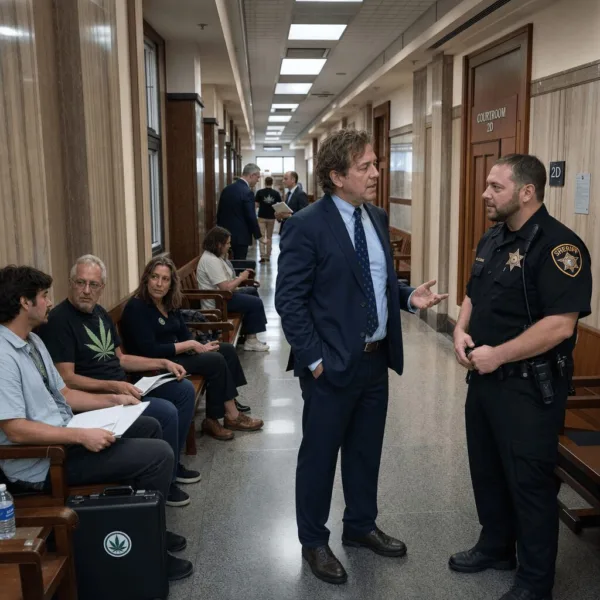



Marijuana Rescheduling Federal Policy: What’s Changing Now?
Right now, there’s major buzz about a possible shift in the marijuana rescheduling federal policy. The U.S. government, after decades of prohibition, is signaling new openness to legitimize cannabis in the eyes of the law and the public. For industry folks, patients, and advocates, this development could influence everything from business opportunities to criminal justice reform. In this article, I’ll break down the marijuana rescheduling federal policy update, why it matters, and what it means for our everyday lives and communities.
The Roots and Regulatory Roads: Understanding Marijuana Rescheduling Federal Policy
For years, marijuana’s status as a Schedule I drug under the Controlled Substances Act kept it legally out of reach for most Americans. This policy, established in 1970, put cannabis in the same category as heroin, with the claim that it had high abuse potential and no accepted medical use, as chronicled by the U.S. Drug Enforcement Administration. Fast-forward more than fifty years, and both science and public opinion are shifting. Medical marijuana is now legal in 38 states, according to the National Conference of State Legislatures, with recreational cannabis also broadly accepted. Yet the disconnect between state and federal law continues to stifle access and research, with fair banking still out of reach even as the industry matures. States like Michigan show how local funding and community wins can result from forward cannabis policy, highlighting stories where marijuana sales funding nonprofits is revitalizing local communities and demonstrating real-world impacts. Marijuana rescheduling federal policy is now at the heart of national debate, with mounting pressure from lawmakers, patients, entrepreneurs, and social justice advocates who want change to happen yesterday.
What’s Actually Happening: Recent Developments in Marijuana Rescheduling Federal Policy
In late April 2024, the White House made headlines with news that it supports rescheduling marijuana from Schedule I to Schedule III. According to a report from WAPT, this move marks the biggest federal cannabis reform since Richard Nixon cracked down on weed back in the 1970s. Specifically, the U.S. Department of Justice, after years of advocacy and new research, proposed rescheduling marijuana to be considered alongside substances like ketamine, which could help reduce research restrictions and tax burdens under IRS code 280E. This shift comes at a time when some state regulators, such as in Minnesota, are grappling with how different cannabis rules impact residents—for example, the Minnesota cannabis open-container law is already changing how everyday life is regulated by local governments. The public comment period, scientific review, and political debates will determine if and when the move happens, but industry leaders are watching closely, anticipating significant shifts. President Biden also underscored the importance of this policy change, focusing on racial and economic justice, which could affect how new rules are implemented and shared across different states.
Real Talk: Expert Take on Marijuana Rescheduling Federal Policy
Let’s put down the sativa and get real: if the marijuana rescheduling federal policy moves forward, it could reshape the future of cannabis in America. Experts see the shift as a game-changer—especially for industry professionals bogged down by IRS rule 280E, which currently blocks basic business tax deductions for anyone handling Schedule I substances. According to Marijuana Moment, businesses could realize significant tax benefits from the move. Renowned cannabis physician Dr. Peter Grinspoon told the Harvard Health Blog, “Rescheduling cannabis sends the signal that the government is catching up to science and public opinion. It removes some obstacles for researchers and patients alike.” Meanwhile, state agencies continue evaluating how federal changes might intersect with existing reforms, including efforts like those of the Cannabis Control Commission reform, which is setting the stage for industry modernization in 2024. Although this policy isn’t full legalization, it sets the framework for more equitable, innovative, and inclusive cannabis opportunities moving forward.
Future Outlook: Why the Marijuana Rescheduling Federal Policy Matters
If you’re waiting for federal legalization, don’t hold your smoke—yet. But there’s no denying that the marijuana rescheduling federal policy is a major leap forward for justice, scientific inquiry, and fair access. As noted by NORML, the U.S. is overdue for a rational, compassionate approach to marijuana regulation. Reform won’t fix every issue overnight, but it signals a government willing to listen to voters, researchers, patients, and entrepreneurs alike. This is the dawn of a new era—one that prioritizes health, equity, and industry growth over outdated drug war rhetoric. So, keep your ear to the ground; expect public hearings, spirited debate, and continued advocacy. In the not-too-distant future, federal cannabis reform might finally be more than just a pipe dream.
Originally reported by: wapt.com

1 Comment
Pingback: Cannabis Compounds Cancer Treatment: Breakthrough Research Revealed