




Cannabis Linked Tobacco Initiation: Shocking ADA Insights
Every headline counts in the cannabis arena, and right now, the phrase “cannabis linked tobacco initiation” is sparking both curiosity and serious debate. With national usage patterns shifting and policy in flux, fresh ADA research shines a spotlight on how cannabis use may influence tobacco initiation, especially among young adults. Let’s break down why this matters for public health, consumer education, and the ever-evolving cannabis industry.
The Social, Regulatory, and Market Factors Behind Cannabis Linked Tobacco Initiation
It’s no secret, cannabis is riding a wave of mainstream acceptance, but as laws loosen, new dynamics are emerging. In many states, adult-use cannabis is legal, and cultural norms about marijuana consumption are rapidly changing. Still, cannabis linked tobacco initiation is a point of concern—regulators like the FDA and advocacy groups have flagged potential risks as more young adults engage in poly-substance use. Meanwhile, confusion persists about health effects, driven by contrasting public health campaigns and cannabis industry optimism. Add to this the influence of social media and evolving peer behaviors, and you’ve got a complex recipe for modern substance initiation. The CDC and state-level reports document increased dual use in states with legalized cannabis, underscoring the need for clear information and product safety regulation to guide both the cannabis curious and seasoned users alike. As businesses adapt and sometimes shutter in response to regulations, CBD store closures in various markets are reshaping community access and consumer choice.
Key Developments & Issues: What the Latest ADA News Reveals
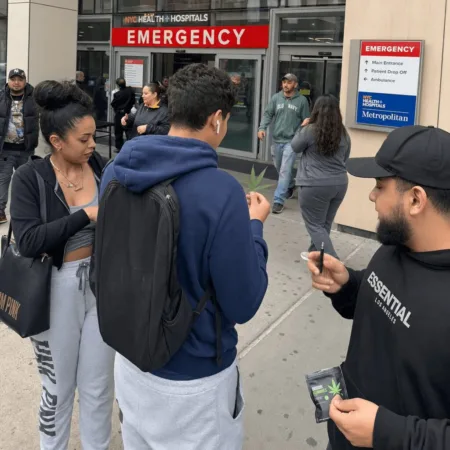
Hot off the presses from the ADA’s ongoing research, recent findings suggest that cannabis use may be a gateway for some young adults to tobacco uptake—a trend that calls for nuanced discussion, not just headline panic. Their analysis, published here, points out a measurable correlation between those who first use cannabis and then transition to tobacco products. The ADA tracked tobacco initiation behaviors in populations with documented cannabis use, focusing on data from the past three years. The study cites evidence that social settings and group dynamics—think outdoor gatherings and casual hangouts—can increase the likelihood of individuals experimenting with tobacco soon after trying cannabis. Notably, the ADA does not suggest that cannabis alone causes tobacco use, but it does emphasize the importance of monitoring trends involving co-use, especially considering shifting perceptions and increased cannabis access in states like California and Illinois since the expansion of recreational legalization in 2020 (NORML California report). Funding changes brought on by cannabis legalization have also had a significant impact on local organizations, with community wins seen through marijuana sales funding nonprofits in key regions.
Expert Analysis & Insights: Making Sense of Cannabis Linked Tobacco Initiation
It’s tempting for some to see any cannabis-tobacco connection as damning, but deep industry insiders know this conversation demands nuance. As Dr. Ethan Russo, leading cannabis researcher, notes in Leafly Health’s expert interview: “Context is everything. Social environments, local laws, and education are key determinants of dual use, not cannabis itself.” Genuinely, cannabis culture doesn’t glamorize tobacco; in fact, many enthusiasts actively avoid nicotine. Industry experts point out that historical mixing practices—like blunts or spliffs—stem more from tradition or necessity than preference in regulated markets. On the ground, responsible brands and retailers invest in harm reduction, quality testing, and customer guidance. Still, the recent ADA findings make it clear, comprehensive education is needed, not just policy tweaks. Prevention efforts should address underlying social trends, while research must clarify the mechanics of cannabis linked tobacco initiation. Not only have regulatory shifts altered the industry, but reforms such as those by the Cannabis Control Commission are setting new standards for market oversight and public education. Importantly, the cannabis industry continues to collaborate with medical professionals and advocates to provide safe, clear messaging and support for young people navigating evolving substance norms.
Future Outlook & Conclusion: The Path Forward for Responsible Cannabis
So, where do we go from here? The landscape for cannabis linked tobacco initiation is shifting fast. With states rolling out new regulatory frameworks, and attitudes toward weed becoming more nuanced, there’s real potential for smarter, more holistic approaches to education and harm reduction. Emerging research—like that from JAMA Pediatrics—suggests that honest, peer-informed dialogue outperforms scare tactics in preventing problematic use. The cannabis industry is stepping up with product transparency, youth access prevention, and stronger partnerships with healthcare experts. As cannabis goes mainstream, the sector’s champions—growers, budtenders, medical professionals, and advocates alike—will have a front-row seat in shaping health-conscious, well-informed communities. Expect future policies and public messaging to reflect a balanced view, rooted in fact and care, not fear. The journey from cannabis stigma to acceptance is far from over, but with data and dialogue leading the way, the industry’s best days are still ahead.
Originally reported by: adanews.ada.org