


Tallulah CBD store closures: Why Ashley Guy shut them down
The cannabis retail world has rarely seen waves quite like those from the recent Tallulah CBD store closures. Whether you’re an old-school hemp enthusiast or canna-curious, this story feels especially pressing. Changes in regulations, shifting consumer expectations, and surprising business moves have converged, creating a perfect storm for these local shops. Ashley Guy, the face behind Tallulah, just made headlines by shutting down her stores. Let’s break down what happened, why it sparks debate, and what it means for Florida’s cannabis landscape. Buckle up—there’s more to this than just lost retail space.
The Regulatory & Market Context Shaping Tallulah CBD Store Closures
Understanding the Tallulah CBD store closures means digging into a thicket of evolving cannabis rules, state laws, and market dynamics. The legal cannabis landscape in Florida has always been a wild ride. State regulations have been in flux, especially since federal changes followed the 2018 Farm Bill (U.S. Congress) that opened doors for industrial hemp and CBD sales. But as retail boomed, so too did scrutiny. Cities like Tallahassee started wrestling with zoning, licensing headaches, and public health debates, which has generated debate across the state in a way that’s reminiscent of broader controversies such as high-profile Tallahassee marijuana trafficking cases that spark citywide conversations.
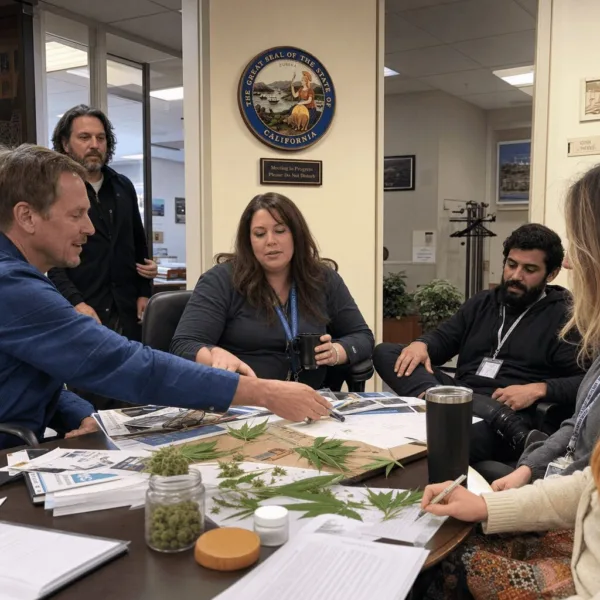
According to NORML, Florida has some of the strictest policies around labeling, distribution, and product testing, which are factors hitting small, consumer-facing brands especially hard. Meanwhile, CBD demand has surged, but the oversupply of products and shifting customer expectations created fierce competition. Throw in stigma, shaky banking support (see Cannabis Business Times), and a few vocal local critics, and it’s no wonder retail operators like Ashley Guy have to constantly navigate minefields. The bottom line? Operating a CBD storefront in Florida feels more uncertain and complex than your average entrepreneurial gig.
Key Events and Issues Behind the Tallulah CBD Store Closures
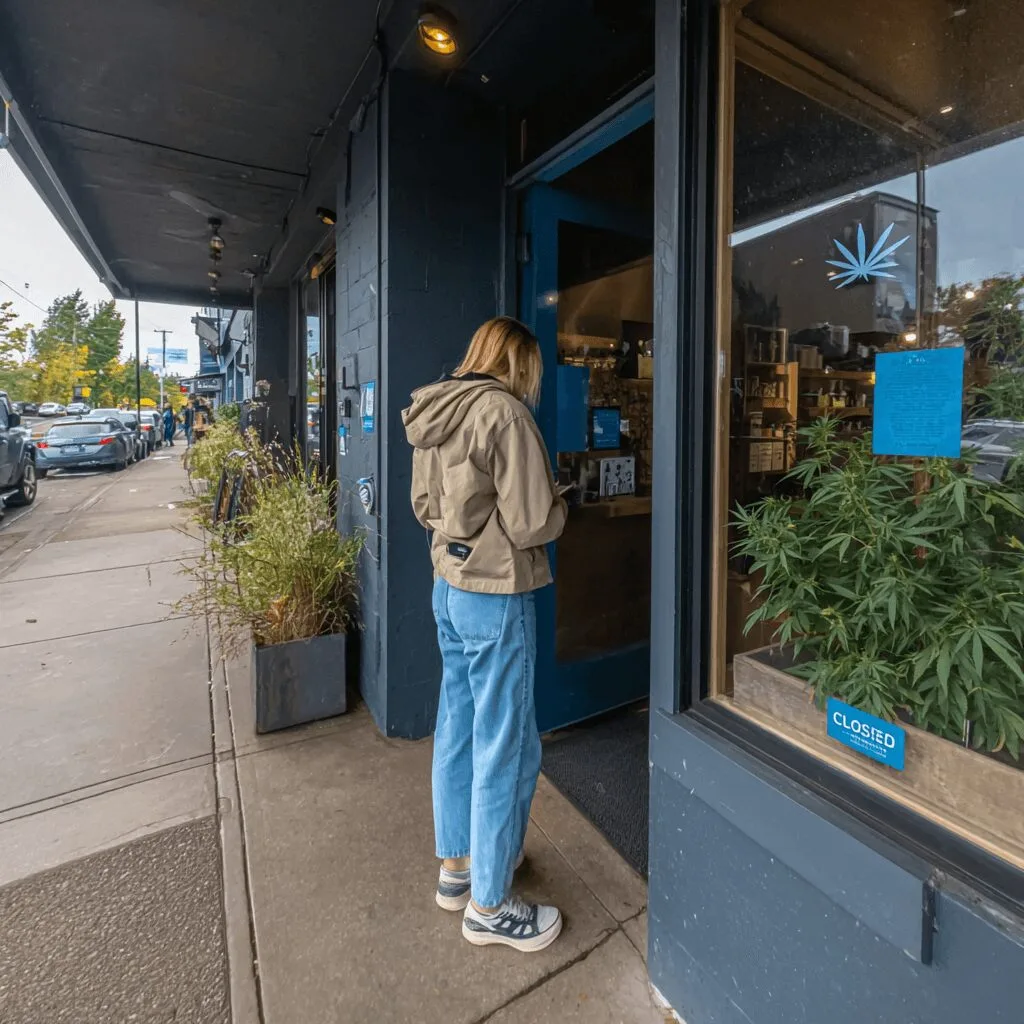
The heart of the matter, Tallulah CBD store closures are more than just business headlines, they’re a signal moment in Florida cannabis. On December 17, 2025, Ashley Guy (the driving force behind Tallulah) officially announced the shutdown of all Tallulah CBD storefronts, per reports from the Tallahassee Democrat. This move followed months of rumors sparked by increasingly quiet storefronts, patchy opening hours, and ‘Closed’ signs that became all too familiar to regulars.
Guy cited shifting regulations, tighter municipal ordinances, and unpredictably high compliance costs. Specifically, the city introduced new zoning requirements for alternative health and cannabis goods, putting established CBD locations on shaky ground. Business insiders note rapid changes in product rules and varying interpretations between state agencies made consistent operation nearly impossible—as is often the case in states dealing with reform, such as during the major Cannabis Control Commission overhauls that reshape entire industries.
Beyond regulations, Tallulah faced growing competition from national chains and online upstarts willing to undercut prices and take bigger risks. As customer visits slowed and costs rose, even a canna-savvy operator like Guy couldn’t make the math work. According to the referenced article, Guy called the decision “deeply personal, not just a business calculation,” highlighting her emotional commitment to Tallulah’s customers as well as her pride in navigating industry complexities for years.
Analysis, What Tallulah’s Story Reveals, and the Real Cannabis Shakeup
The Tallulah CBD store closures speak volumes about the unique pressures dogging small cannabis enterprises. When regulations flip as quickly as a dab rig on 4/20, it tests even the most dedicated advocates.
According to industry analyst Lisa Pittman in Cannabis Business Times: “The current patchwork of regulations in the CBD space can be impossible to navigate. Local operators need reforms supporting entrepreneurship, not roadblocks that only big players can afford.”
At its core, this isn’t just another local closure, it’s a sign the industry has growing pains. As customer habits shift to online ordering and regulatory confusion reigns, mom-and-pop-style stores have to get agile, or risk disappearing. Still, Tallulah’s situation is hardly unique in Florida or across the U.S. Issues around federal oversight and restrictions continue to impact small retailers, much like Texas hemp businesses feeling the effects of federal THC restrictions right now. The elevated standards for product safety and transparency are positive for consumers, but lawmakers and advocates alike need to ensure fair opportunities for small, ethical businesses. The closures underline a bigger paradox, legal acceptance is surging, but so are barriers for those building the ground floor of the cannabis economy.
Future Outlook & a Brighter Cannabis Horizon
While Tallulah CBD store closures might feel like a loss, the news isn’t all doom and gloom. The closure story sheds light on where the industry needs to refocus: supporting small businesses and clarifying rules. New advocacy movements and legal efforts are pushing for smart, inclusive legislation (see MJBizDaily), and market reports suggest that broader legalization continues to gain public traction across the state.
Most importantly, the Tallulah saga encourages cannabis enthusiasts, patients, and entrepreneurs to keep pushing for positive change. As the social stigma fades and consumer education rises, local shops—and the communities they serve—stand to benefit. Today’s closures might just be tomorrow’s comeback stories as sensible policies and fresh market opportunities roll in. Stay lit, stay informed, and remember: every twist in the industry fuels the fire for a brighter, greener tomorrow.
Originally reported by: tallahassee.com

1 Comment
Pingback: Cannabis Linked Tobacco Initiation: Shocking ADA Insights