


Federal THC Hemp Restrictions: What Texas Businesses Must Know
It’s crunch time in Texas—federal THC hemp restrictions just landed squarely in the heart of the Lone Star State. As new national guidelines ripple through local markets, everyone from green-thumbed business owners to weekend hemp enthusiasts is watching closely. Why? Because these new rules could change what shelves look like, what workers do, and how customers shop. Stay tuned as we break down what’s happening, why it matters, and how federal THC hemp restrictions could shape the vibe of Texas’s booming hemp industry.
Understanding the Bigger Picture: Hemp’s Regulatory and Market Backdrop
Federal THC hemp restrictions have long hovered as a looming topic within U.S. hemp policy. The 2018 Farm Bill finally legalized hemp with a big asterisk: THC content must stay below 0.3% to qualify as legal hemp, according to Congressional Records. This legal threshold was hailed by many as progress, but in practice, it’s created a labyrinth for growers and retailers, with consequences for those caught between shifting regulatory frameworks. State-level rules, like those in Texas, can stack on top of federal law, compounding the complexity as local hemp shops work to survive ongoing restriction crackdowns. The Texas Department of State Health Services (DSHS), guided by interpretations from the Texas Department of Agriculture, has enforced these standards stringently, regularly updating compliance expectations for local shop owners. Socially, Texans are increasingly pro-cannabis, but regulatory tension remains as lawmakers balance economic interests with safety concerns. As market interest in hemp-derived cannabinoids rises, so too does federal scrutiny, with enforcement inconsistencies, ambiguous testing rules, and a growing call from cannabis advocacy organizations for more clarity and reform.
Key Developments: How Federal THC Hemp Restrictions Just Hit Texas
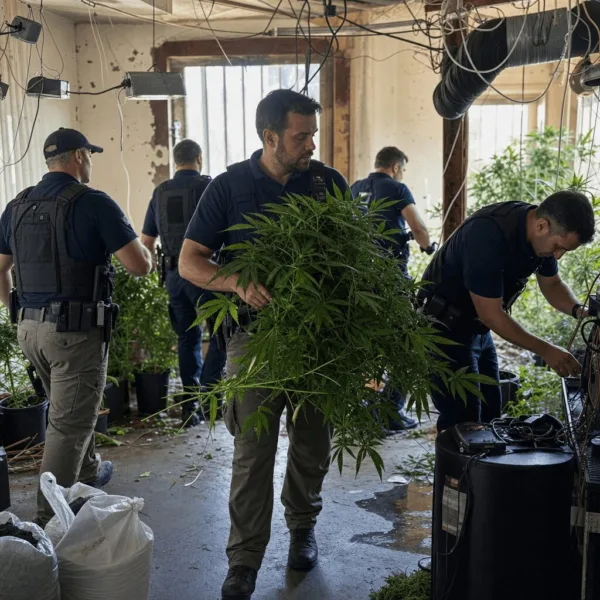
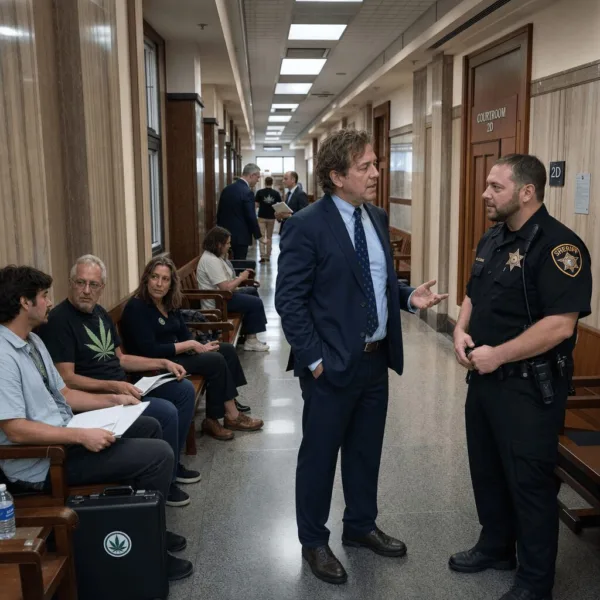
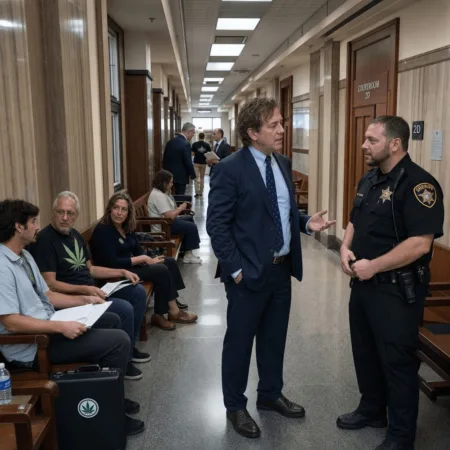
In late May 2024, the federal government announced new restrictions tightening the legal limits and enforcement mechanisms around hemp-derived THC content, directly impacting Texas retailers (source: KHOU News). These rules reaffirm the ultra-strict 0.3% THC limit and clarified how products, including vapes, edibles, and smokable flower, are to be tested and regulated. Texas hemp businesses like Bayou City Hemp and several Houston-based retailers responded immediately by consulting legal teams, stalling the rollout of new products, and prepping for increased inspections by state regulators. The rush comes after Texas DSHS notified hundreds of companies that they must quickly verify compliance or risk penalties, asset forfeiture, or even shutdowns. For those facing urgent legal concerns due to these tightening rules, understanding the up-to-date risks around possession and compliance is vital as highlighted in recent guidance for those encountering marijuana possession arrests.
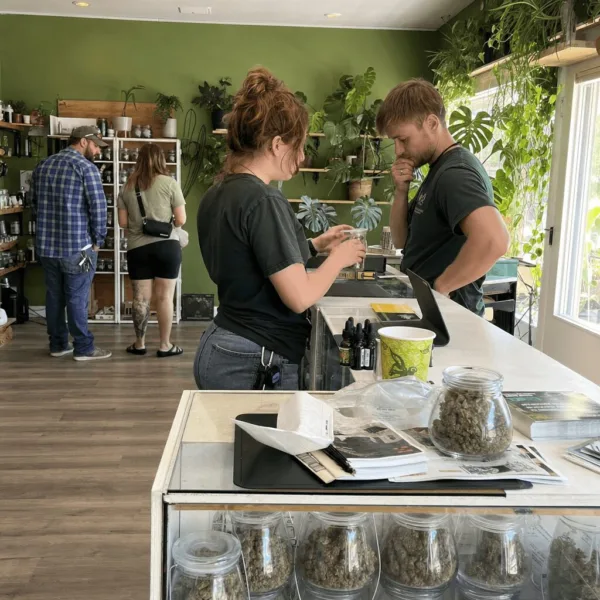
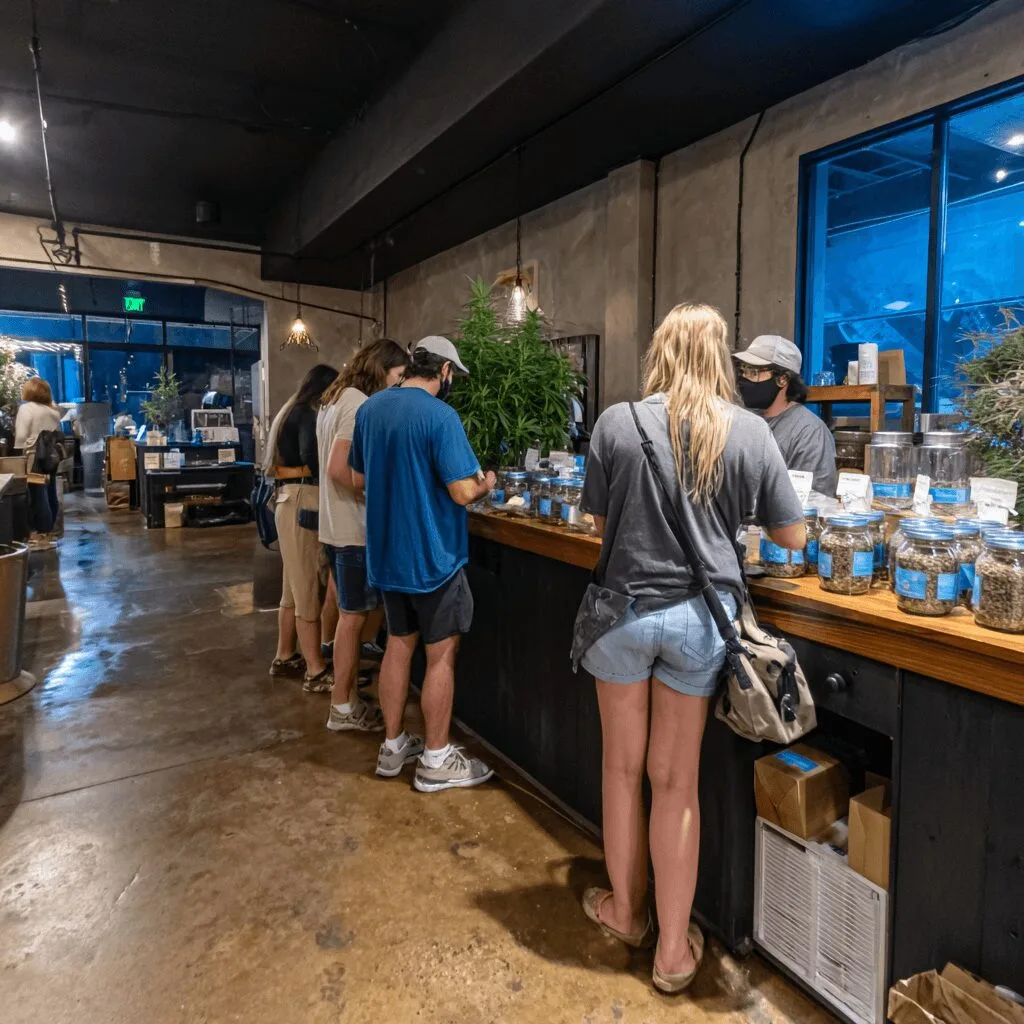
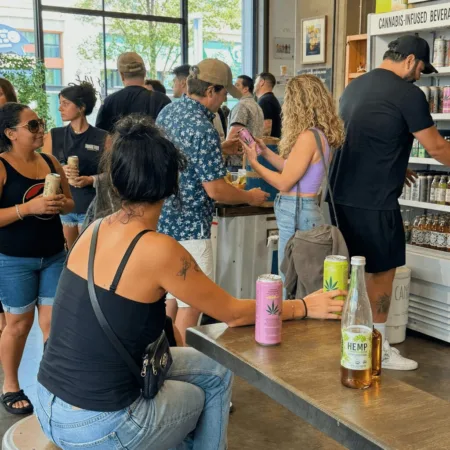
According to KHOU’s reporting, workers feel the pinch as uncertainty shakes up their daily routines. Some customers worry about favorite products disappearing, while others are just catching on to what these federal THC hemp restrictions actually mean. This isn’t the first legal rodeo for Texas hemp shops. Still, the immediacy and scope, focusing on all cannabinoids, not just traditional THC, signals a step-up in oversight unlike previous rounds.
Expert Take: Reading Between the Lines on Federal THC Hemp Restrictions
Veterans in the Texas cannabis scene see this as a déjà vu moment, with a twist. According to Morgan Fox of the National Organization for the Reform of Marijuana Laws (NORML): “Federal THC hemp restrictions don’t just shape what’s legal, they determine whether small businesses thrive or fold overnight. For many Texans, these rules feel like bureaucratic whiplash.”
It’s not just red tape. Analysts at Hemp Benchmarks note that overly strict federal controls can stifle market innovation by making compliance costs too high for smaller operators. Cannabis industry developments reflect national uncertainty, especially when unexpected changes in enforcement arise—something also seen in regions transforming their retail landscapes, as with the evolving cannabis sector in Moorhead. At the same time, a patchwork of state and federal enforcement continues to frustrate retailers trying to stay above board and serve their loyal customers. The message: genuine clarity and national regulatory reform are still badly needed. This moment is as much about market survival as it is about legal semantics.
Looking Forward: Hemp Resilience in the Face of Federal THC Hemp Restrictions
Despite the headaches, the Texas hemp scene isn’t going anywhere. Industry insiders are doubling down on advocacy—for smarter laws, fairer enforcement, and hemp’s rightful spot in Texas culture. Federal THC hemp restrictions, while tough, might ultimately fuel a broader conversation on what real cannabis progress could look like. Regulatory hurdles could even catalyze new waves of innovation among savvy operators, who find creative ways to adapt while still supporting their communities.
According to projections shared in MJBizDaily, the U.S. hemp sector remains poised for long-term growth, especially if Congress embraces more sensible, science-based reforms in the next Farm Bill. So as Texas businesses navigate these latest ups and downs, optimism remains strong. The journey is rocky, but the rewards—economic, social, and cultural—make it one worth taking for anyone passionate about hemp’s potential.
Originally reported by: khou.com
1 Comment
Pingback: Virginia cannabis bill implications: What You Must Know Now