


Virginia cannabis bill implications: What You Must Know Now
Timing couldn’t be better to talk Virginia cannabis bill implications. With legislation on everyone’s radar, the Commonwealth is at a turning point. New laws are redefining who can grow, sell, and enjoy cannabis legally. Social, medical, and business communities are buzzing, and change is coming fast. Dive in to get the scoop on how these regulatory moves affect you—consumers, entrepreneurs, and advocates alike.
Understanding the Roots: The Regulatory and Social Landscape in Virginia
The Virginia cannabis bill implications go deep. Since Virginia became the first Southern state to legalize recreational cannabis in 2021, according to Virginia Mercury, legislators and stakeholders have grappled with balancing public safety, economic growth and social equity. Much of the early policy conversation centered around restorative justice for communities disproportionately impacted by prohibition, as noted by NORML. Yet, regulatory clarity on distribution, resale, and taxation kept evolving. The influence of neighboring states, like Maryland’s retail roll-out and DC’s gray-market model, means Virginia faces pressure to adapt or risk losing tax revenue and control. Businesses and advocates are pushing for streamlined licensing, product safety standards and meaningful social equity measures. Meanwhile, stigma is slowly evaporating as public support for legal cannabis continues to trend upward, according to recent Gallup polls. Nationwide, the effect of cannabis-related legal changes on other industries, such as how trucking regulations are evolving, demonstrates the far-reaching consequences of policy shifts in sectors like transportation.
Key Developments & What’s at Stake: The Five-Leaf Framework
Here’s where the plot thickens for Virginia cannabis bill implications. According to Cardinal News, five major issues have emerged as the bill advances toward 2025:
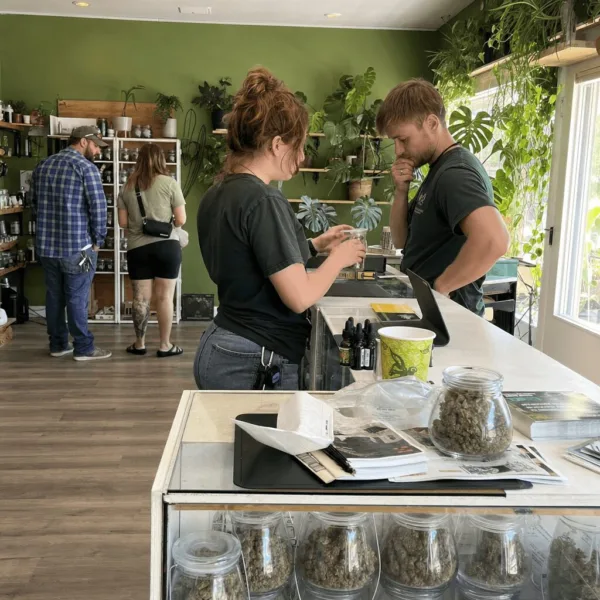
- Licensing and Market Access: With the new bill slated for full effect in July 2025, retail and cultivation licenses are drawing high demand. Lawmakers propose caps to avoid industry monopolization—an approach favored by social equity applicants and small businesses alike.
- Taxation and Revenue: The projected tax rate is set to hover between 20-25%, echoing Colorado and Illinois models as cited by Marijuana Moment.
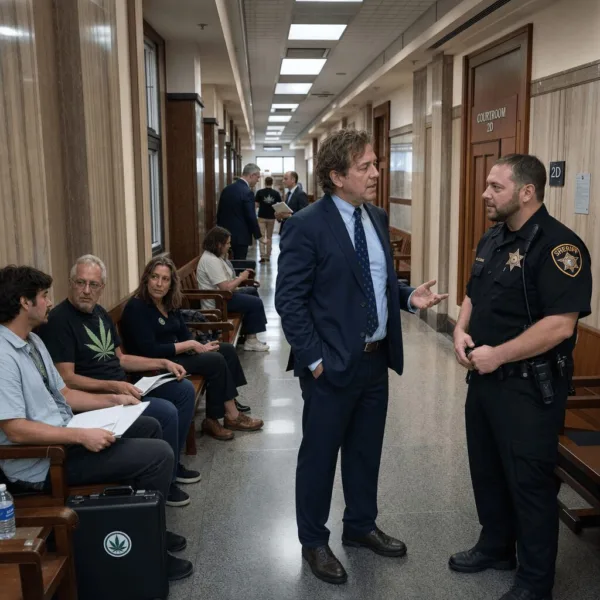
- Criminal Justice Reform: Automatic expungements and reduced penalties for legacy offenses are included, reaffirming restorative justice priorities outlined by ACLU Virginia.
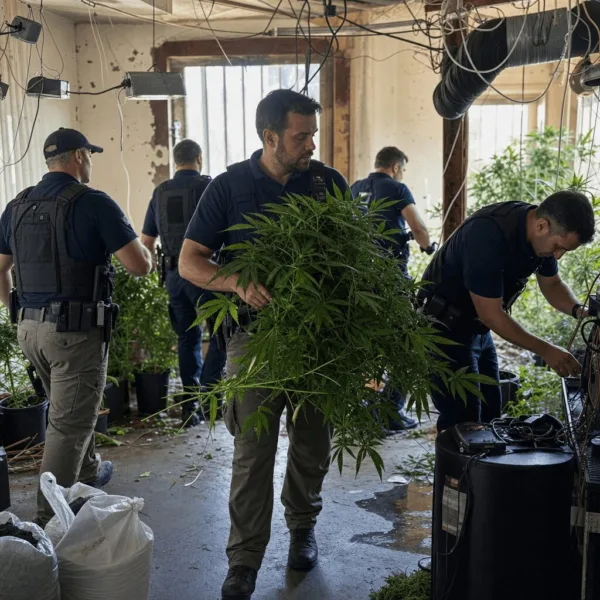
- Public Safety and Education: Provisions emphasize youth prevention, impaired driving laws and product labeling. Enforcement is coordinated between the Virginia Cannabis Control Authority and local police, mirroring structure seen in neighboring Maryland. Approaches from other states, such as local crackdowns on hemp shops, are frequently debated in relation to the evolving framework with ongoing adjustments in Texas.
- Product Quality and Testing: Comprehensive testing requirements are proposed for mold, pesticides and potency, drawing on recommendations from Leafly and best practices from other mature markets. Debate continues on edible regulations and cannabinoid limits as consumer safety remains a hot-button issue. All these factors paint a complex picture, one where the rules are finally coming into focus but major decisions are still ahead for Virginians.
Expert Insights: What These Changes Really Mean for Virginia
Let’s break down the Virginia cannabis bill implications with a little real-world context. Most industry leaders welcome the cautious, step-by-step approach, since rushing complex legal frameworks often backfires. As Ganjapreneur notes, “Rolling out regulations thoughtfully is the key to an equitable, thriving market, not just for big business but for mom-and-pop shops, too.” Prioritizing social equity licenses is seen as a win, given how war-on-drugs policies hit marginalized groups hardest. Yet, advocates point out that meaningful impact requires easy application processes and accessible funding. Another curveball? The high proposed tax rates. While they boost state coffers, higher prices can push consumers to unregulated sources—a major lesson from California (see Los Angeles Times). Dr. Caroline Lusk, a cannabis law expert, told industry publication Marijuana Business Daily: “The real test is implementation, if Virginia gets licensing and social equity right, the state could set a model for the Southeast.” Consumers and patients are also closely monitoring the cardiovascular effects of cannabis, as recent research highlights important health considerations related to these new laws that could influence future policy. In short: caution and flexibility will define success.
Looking Ahead: Virginia’s Cannabis Future Looks Bright
The bottom line? Virginia cannabis bill implications are about more than policy—they’re about people. As the Commonwealth builds its legal market, the focus on equity, safety, and strong community engagement points to a thriving future. Industry observers, like those at Health Europa, expect Virginia’s approach to inspire similar reforms across the South. Rising public support, smart regulation, and collaborative problem-solving position Virginia not only to lead in policy but to set new industry standards. So, keep your ear to the ground. This is just the start, and for advocates, entrepreneurs, and consumers, the next chapter in Virginia cannabis is set to be the most exciting yet.
Originally reported by: cardinalnews.org