


California truck THC arrest: Shocking new details revealed
Right now, headlines like “California truck THC arrest” are shaking up the cannabis scene. Supply chain challenges, changing laws, and intense scrutiny from law enforcement are making this case more than just a blip. Whether you’re a budtender or a logistics geek, this story matters—THC, commerce, and compliance just intersected in a very public way. Let’s break down what really happened, why it hit so hard, and what it means for everyone in and around California’s cannabis industry.
Understanding the Regulatory and Social Landscape
The legal cannabis scene in California is wild, and not just because of the terps. Since voters passed Prop 64 back in 2016, licensed operators have juggled statewide legalization while contending with strict transportation rules and federal prohibition. Any cannabis product with THC, especially flower or concentrate, faces sharp regulatory oversight as it moves from farms to retail shelves. And because cannabis is still federally illegal, NORML warns that crossing state lines or getting near the wrong border can mean serious consequences, even if you’re following local rules. Socially, there’s an ongoing clash between progressive attitudes toward cannabis and old-school law enforcement. Some authorities target truckers and distributors, fearing illegal activity, while advocates point to market necessity and the need for safe transport. The tension around cannabis enforcement in agricultural regions has become even more apparent as incidents remind many of the statewide debate recently sparked by Bay Area suspects involved in the Salinas marijuana farm arrest. In short, a “California truck THC arrest” sits right at the heart of this regulatory tension, and the stakes keep rising as high demand, patchwork laws, and ongoing stigma collide.
The Key Events and Legal Twist in the California truck THC arrest
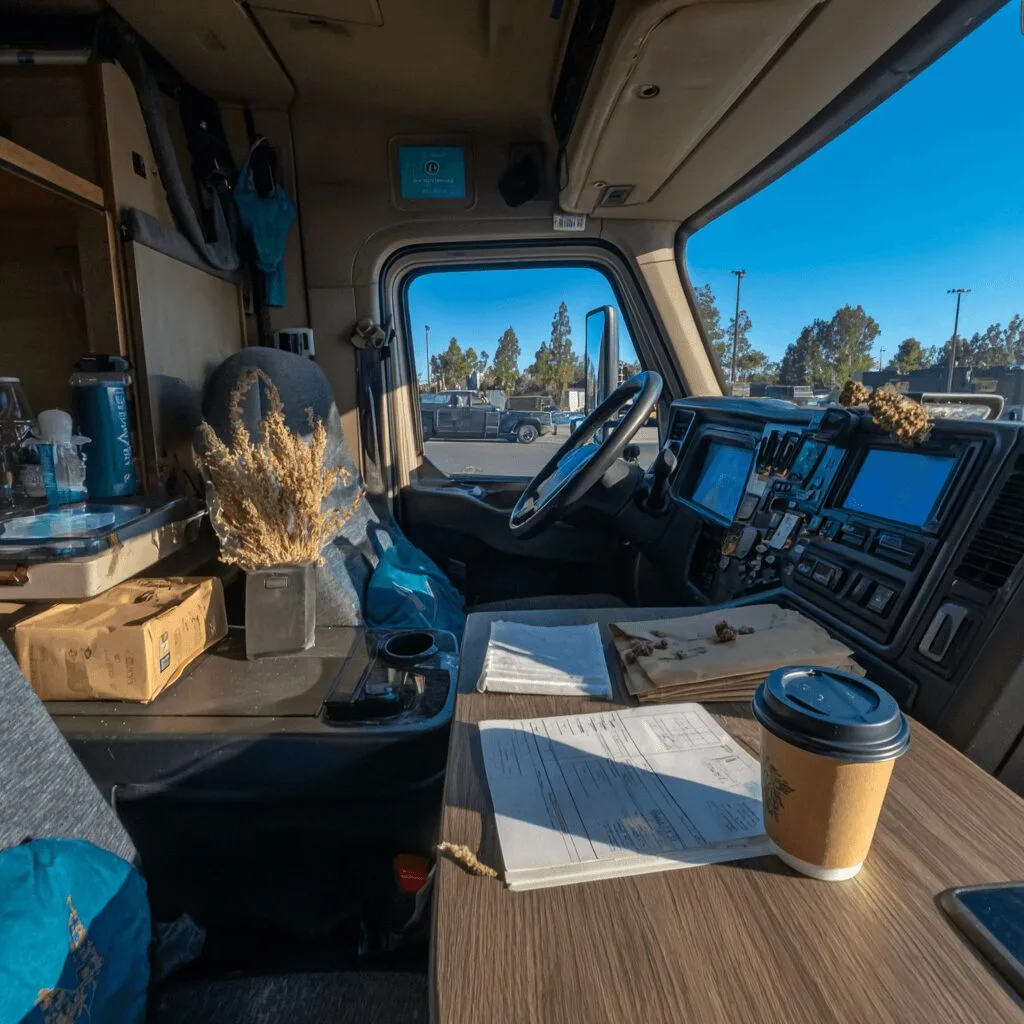
Let’s get into the gritty details: According to recent coverage from LMT Online, a California-registered truck was intercepted at a Texas border crossing in early June 2024. Authorities found a stash of cannabis flower and THC concentrates, allegedly hidden among commercial freight. The driver, clad in work gear and sipping gas-station coffee, was transporting goods between the Golden State and a Texas distribution hub. Law enforcement, suspecting criminal intent, made a high-profile arrest. Federal officials cited the ongoing federal prohibition on transporting THC across state lines. These types of supply chain disruptions in the context of a California truck THC arrest have also fueled industry-wide debate the way recent Kansas CBD store lawsuits brought similar legal scrutiny to local operators. The company, whose name hasn’t been released publicly, faces jeopardized contracts and potentially severe legal action. The truck, cargo manifest, and tiny jars of flower became evidence. This high-stakes “California truck THC arrest” ignited concern across cannabis and logistics sectors, sparking debate over where legal lines begin and end, especially in supply chain operations bridging legal and prohibition states.
Expert Analysis & Cannabis Industry Insights
This headline-grabber rewrites the playbook for licensed operators. Experts like Leafly’s David Downs argue, “Interstate cannabis commerce will always walk a legal tightrope, especially while prohibition lingers at the federal level.” For truckers and distributors, one route’s legit, the next is a land mine. As supply chains get more sophisticated, legal ambiguities put real people at risk—workers, entrepreneurs, and growers just trying to bring product to market. At the same time, the industry is pushing for federal reform, which would finally solve the cross-state dilemma. Right now, though, it’s a bit of a Wild West. For every headline about a California truck THC arrest, there are dozens of compliant operators living in fear of accidental oversteps. Meanwhile, industry watchers say these incidents keep the pressure on regulators, similar to how changes in Alabama’s licensing rules are set to reshape cannabis access in 2024. But as one logistics consultant told Green Market Report, “It’s not about criminality, it’s about making sure outdated laws catch up with market realities.”
Looking Ahead: Positivity Amid Change
Despite the splashy headlines, the cannabis industry keeps pushing forward and demanding smarter laws. Every “California truck THC arrest” spotlights the urgent need for modernized, harmonized transport regulations—and more education for everyone involved. As stigmas drop and voters lean yes, the call for policy evolution is only getting louder. Market research by New Frontier Data predicts double-digit growth for legal cannabis nationwide, and states like California remain trailblazers. The hope? Stories like this help drive change, forging a future where compliance is clear, workers feel protected, and everyone can enjoy the benefits of a mature, regulated cannabis market.
Originally reported by: lmtonline.com