Salinas marijuana farm arrest: Bay Area suspects caught
The Salinas marijuana farm arrest is grabbing headlines, and for good reason. California’s legal cannabis industry is under the microscope, with both progress and controversy defining its landscape. Recent developments around Bay Area suspects arrested at a Salinas grow site stir up conversations on enforcement, regulation, and what ‘compliance’ really means in 2024. In this breakdown, we’ll dig into the news, discuss the regulatory framework, analyze expert perspectives, and look at what this incident means for the future of California cannabis.
California Cannabis: A Complicated Regulatory Landscape Shaping Risk and Reform
Cannabis legalization in California isn’t the free-for-all some outsiders imagine. Since the 2016 passage of Proposition 64 (California Department of Public Health), cultivators face a rigorous gauntlet of state and local licensing, inspections, and compliance requirements. Monterey County, home to Salinas, is known for strict permit enforcement and a patchwork of evolving ordinances, frequently updated in response to environmental and legal concerns. For those looking at how regulations differ across states, especially when comparing tourist-heavy cities, you can see the unique rules shaping the Las Vegas Strip by reading how the Las Vegas Strip approaches cannabis laws in 2024. While regulations aim to root out illicit operators and ensure environmental responsibility, the high cost of compliance can squeeze small and legacy growers, creating a complex environment and sometimes fueling illicit activity according to Leafly’s California market report. Socially, the state’s cannabis culture remains vibrant and deeply rooted, but legal pitfalls persist—even for experienced operators.
Core Details: The Recent Salinas Marijuana Farm Arrest and What Happened
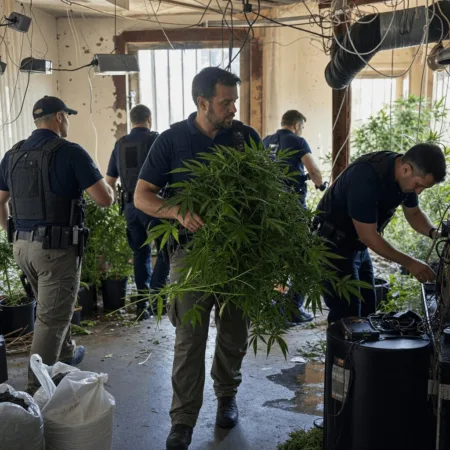
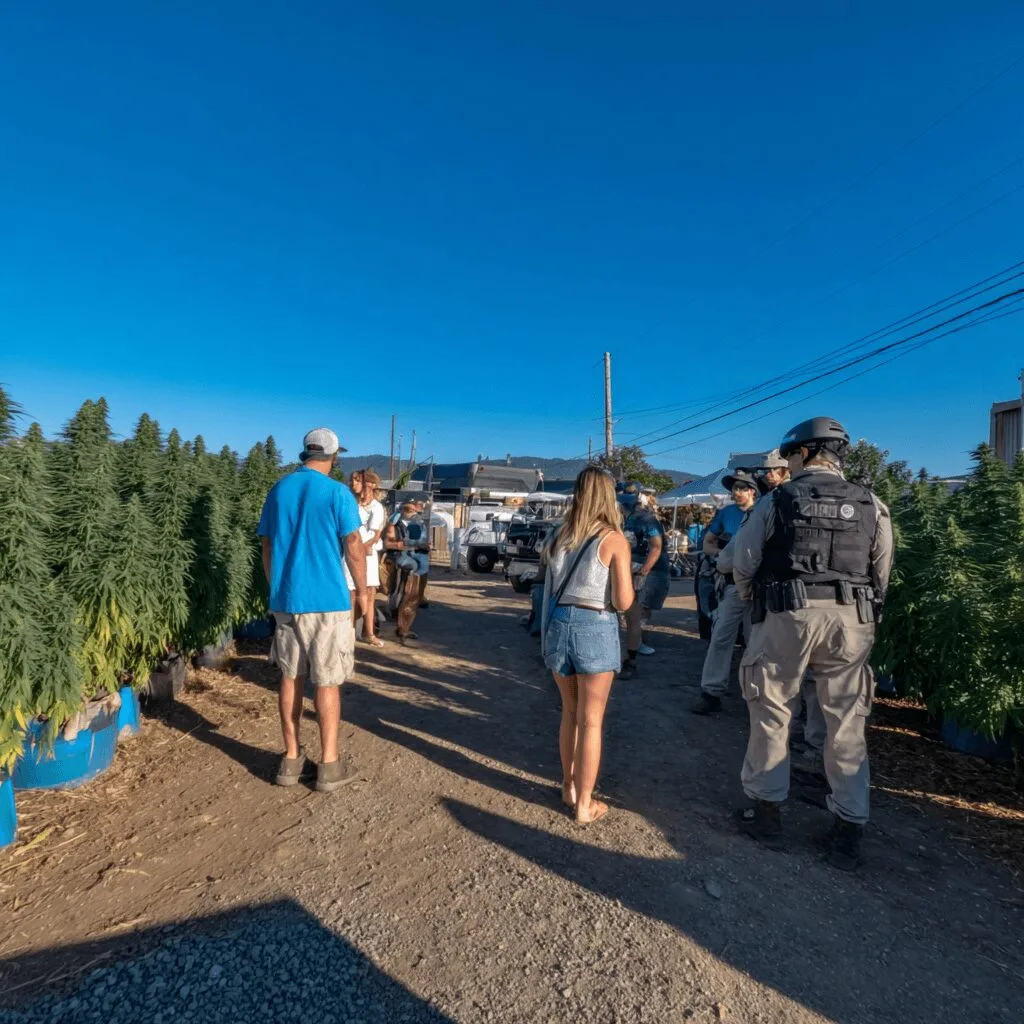
According to KRON4 News, a dramatic development unfolded on a rural farm near Salinas early this June. Local law enforcement, following reports of suspicious activity and possible code violations, discovered a significant cannabis grow operation. Seven Bay Area residents—whose names have not yet been released in public filings—were arrested at the scene. Authorities reported that the farm, located in the Salinas Valley, operated without all required county permits and state licenses, according to recent statements from the Monterey County Sheriff’s Office. The farm had an estimated several thousand mature cannabis plants, valued at well into the six-figure range. Seized equipment included irrigation systems, processing tools, and several vehicles. Officials highlighted environmental infractions, possible diversion of water, and unpermitted electrical setups, underscoring a growing concern for both legal and illicit cultivators alike. To understand how enforcement varies and legal outcomes can differ, it is worth reading about what happens if you are arrested for shipping marijuana and what your rights are. This isn’t an isolated episode, Monterey County has seen stepped-up enforcement in 2024, reflecting heightened state pressure on non-compliant grows as detailed by California Department of Food and Agriculture.
Industry Insights: What The Salinas Marijuana Farm Arrest Means for Cannabis in California
Events like the Salinas marijuana farm arrest cast a bright spotlight on the tough realities facing California growers, blending cautionary tales with systemic critiques. Industry veterans note persistent challenges in navigating overlapping regulations and escalating costs. As Marijuana Business Daily reports, ‘licensing nightmares’ and local bottlenecks remain hurdles. Nina Parks, Mendocino cannabis entrepreneur and longtime advocate, remarked, “We need regulatory reform that recognizes the lived realities of cultivators, if compliance is unattainable for most, all you do is empower the illicit market.” (Source: Leafly). The Salinas marijuana farm arrest might be framed as a ‘bust,’ but it also highlights the underlying friction between progressive cannabis policy and practical enforcement. Most legacy farmers want to go legal, but the cost to play is sky-high. If you’ve been following how marijuana regulations are shifting federally, there’s growing interest in how federal marijuana reclassification might impact the cannabis space. Unintended outcomes include resource strain on law enforcement and a thriving gray market. These stories aren’t just about blame, they’re about the need for smarter, more inclusive regulatory evolution in California and beyond.
Outlook: Hope, Innovation, and the Road Ahead for California Cannabis
Despite the hurdles exposed by the Salinas marijuana farm arrest, California’s cannabis sector isn’t slowing down. Reform, investment, and advocacy continue bubbling up. Policymakers are under pressure to adapt rules—striving for a balanced approach that encourages compliance and protects the environment while not crushing small operators. According to Benzinga’s 2024 state reform panel, several new proposals aim to reduce regulatory complexity and promote equity, innovation, and consumer safety. Social attitudes remain positive; cannabis is becoming less taboo and more accepted as both a business and a wellness tool. If community voices, business leaders, and regulators keep pushing for smart change, stories like the Salinas marijuana farm arrest could soon mark a chapter of growth, not just a sign of the industry’s growing pains.
Originally reported by: kron4.com