





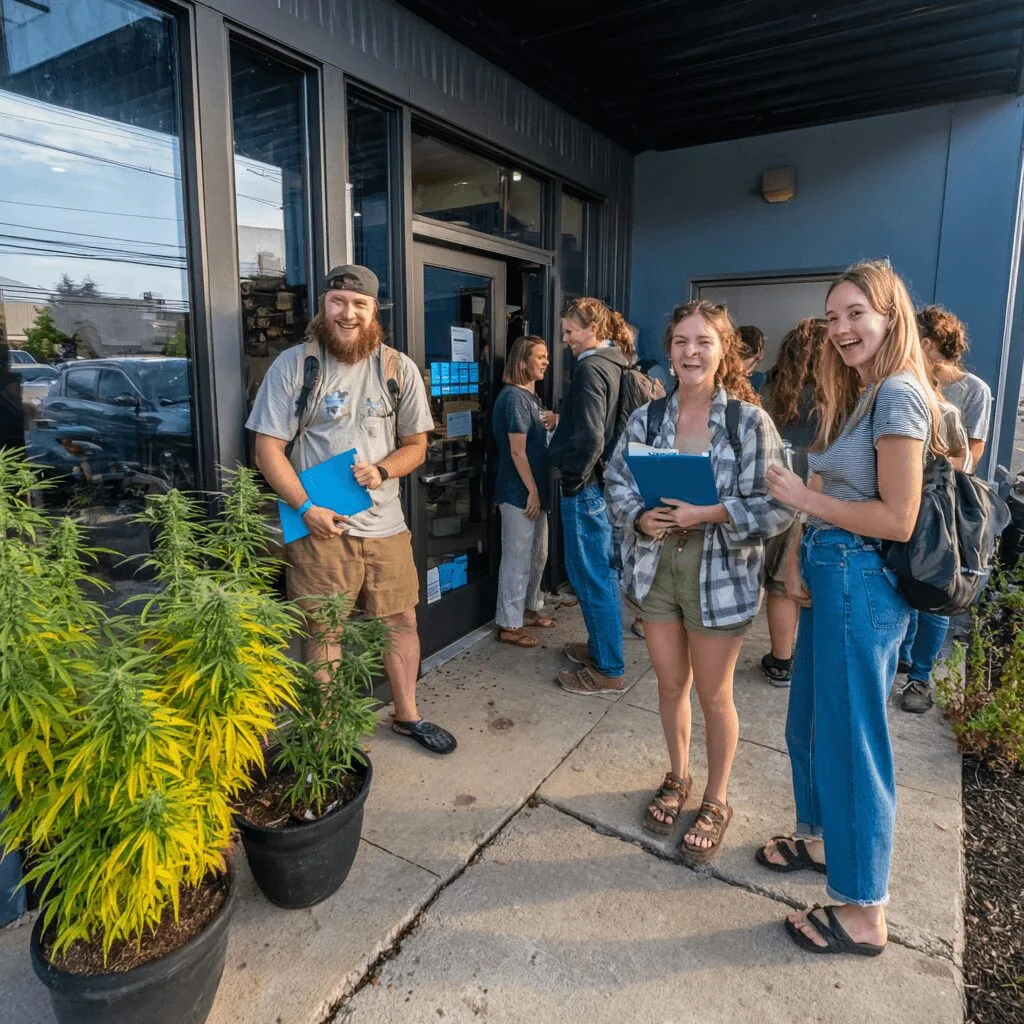
Marijuana revenue community projects: See Grand Traverse funding impact
Let’s be real—legal weed is doing more than igniting our state’s vibes. Right now, marijuana revenue community projects are shifting the local landscape in Grand Traverse County, directly fueling social programs, infrastructure, and good old-fashioned community pride. While politicians debate policy, people on the ground feel these investments every day. In this article, we break down why this infusion of cannabis cash matters, how recent decisions ripple through the region, and what it means for both advocates and skeptics of marijuana revenue community projects.
The Rise of Marijuana Revenue Community Projects: Legal, Social, and Market Dynamics
The story of marijuana revenue community projects starts with Michigan’s 2018 legalization of recreational cannabis (Michigan Cannabis Regulatory Agency). Since sales went legal, taxes and fees paid by cannabis businesses have piled up, and state law (specifically, the Michigan Regulation and Taxation of Marihuana Act) carves out a portion for community reinvestment. Cities and counties that opted in to allow retail sales collect a hefty share of cannabis funds each year. Those dollars have become a vital new source for local governments facing budget crunches, infrastructure needs, and a demand for social assistance. According to Bridge Michigan’s 2023 reporting, tens of millions now flow into public projects annually. The ripple effect? More towns consider welcoming the cannabis industry, recognizing its power to fund marijuana revenue community projects that directly impact quality of life. In conversations about shifting regulations and how legalization impacts different US states, a related topic is how recent Massachusetts cannabis policy developments are sparking debate—the Bay State has seen both new proposals and community discussions about rolling back progress, affecting local municipalities.
Major Developments: Where Grand Traverse County’s Cannabis Cash Is Going
In December 2025, the Grand Traverse County Board greenlit the distribution of cannabis tax money to thirteen innovative local initiatives (9&10 News, 2025). This year’s disbursement includes over $500,000 in funding, with plans targeting everything from social services and mental health programs to parks improvements and youth activities. Standouts among the marijuana revenue community projects include:
- Expanded hours for the Traverse Area District Library, supporting youth education and adult literacy.
- A new food pantry distribution site, making the healthy choice the easy choice for struggling families.
- Parks upgrades, bringing cleaner, safer facilities to neighborhoods often left behind.
- Support for local substance use disorder services, closing gaps for at-risk community members.
The process for allocating these funds has been transparent, inclusive, and driven by data-based community needs. County finance chair, Rusty Sorensen, described the effort as “putting cannabis dollars right back into the hands of the people who live, work, and play here.” Since recreational sales began, over $1.5 million has landed in Grand Traverse—making marijuana revenue community projects a steady, predictable force for local progress. As regulations shift in states like Nevada, visitors and locals alike are staying informed about new rules in key tourist destinations, particularly changes to cannabis laws on the Las Vegas Strip which underscore evolving approaches to marijuana revenue and its impact on community projects.
Expert Take: Deeper Impact, and a Few Honest Realities
As a cannabis advocate and industry insider who’s watched the Michigan market mature, I see marijuana revenue community projects as a model for nationwide reform. While some folks still clutch their pearls at the mention of weed money funding public works, experts say this is exactly how legalization should work. According to Marijuana Moment, more states are studying Michigan’s approach, citing its clear reporting and community-first ethos. Sometimes, legal questions even arise when it comes to the movement of cannabis between jurisdictions—those arrested for shipping marijuana face a very different legal landscape.
Dr. Angela Smith, Policy Director at the Cannabis Impact Group, puts it best: “When we invest marijuana revenue into local projects, we break down stigma and prove cannabis is a force for good. Every playground reopened and clinic supported gives neighbors new reasons to support smart regulation.” Even critics admit that these targeted investments can quiet opposition, especially when dollars fund transparent, community-vetted causes. Of course, proper oversight remains crucial, and watchdogs like the Pew Charitable Trusts keep track of best practices nationwide. The evolution of marijuana regulations continues to prompt national conversations—most recently, potential federal marijuana reclassification efforts have been discussed as a way to further shape the positive role of marijuana revenue in community projects.
Looking Forward: Success, Skepticism, and a Greener Future
If Grand Traverse County’s experience proves anything, it’s that marijuana revenue community projects aren’t a flash in the pan. As more cities across Michigan and beyond see the social and economic boons, the case for cannabis reinvestment grows stronger—and resistance softens. National advocacy groups like NORML point out that these wins nudge federal policymakers closer to broader reform.
The future? Buckle up. With each year of transparent reporting, broader partnerships, and visible community success, marijuana revenue community projects plant deeper roots. From updating aging infrastructure to empowering local youth, cannabis dollars are doing what they promised: giving back while elevating the whole community. As the industry continues its journey from stigma to acceptance, expect even bolder investments and tighter citizen oversight ahead. Watch Grand Traverse set the pace—and keep your eye on cannabis as a driver of positive local change nationwide.
Originally reported by: 9and10news.com



1 Comment
Pingback: Kentucky hemp industry: Heated political split revealed