reverse marijuana legalization Massachusetts: What’s At Stake?
It’s not every day you see the conversation about legal cannabis take a step back. But here we are—beyond dispensary grand openings and growth projections, Massachusetts is considering a dramatic shift. The push to reverse marijuana legalization Massachusetts is suddenly national news. As activists gather signatures and state agencies brace for potential upheaval, every advocate, user, and business owner should pay attention. In this article, you’ll get a crystal-clear breakdown of what’s happening, why it matters, and where industry experts see things heading.
Understanding the Massachusetts Cannabis Landscape: Legal, Social, and Political Context
Let’s rewind. Back in 2016, Massachusetts voters approved recreational cannabis. The results sent shockwaves through New England, raising questions about regulation and social impact. The Massachusetts Cannabis Control Commission was established to oversee legal sales, enforce compliance, and push for social equity in licensing. With dispensaries popping up in Cambridge, Worcester, and every corner of Boston, the state has seen well over $5 billion in cannabis sales, according to The Boston Globe. Legalization has steered investment, wiped away low-level convictions, and boosted state revenues. Yet tension simmers, concerns about youth access, impaired driving, local resistance, and the pace of equity progress remain. These factors reflect the shifting national picture as regulatory moves—like the potential federal marijuana reclassification policy—are also being considered and debated across the country. All of these trends set the stage for the recent campaign to reverse marijuana legalization Massachusetts, a move that would ignite legal battles, social debates, and economic upheaval.
Ballot Proposals and the Current Push to Reverse Legalization: What You Need to Know
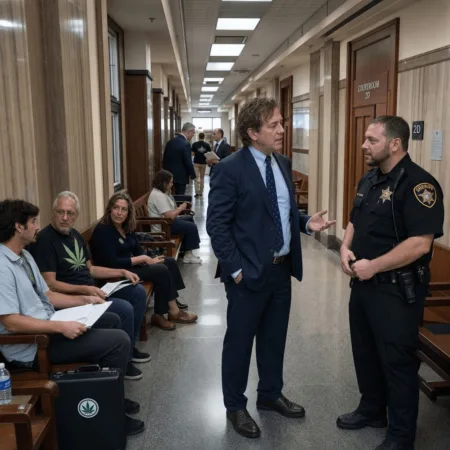
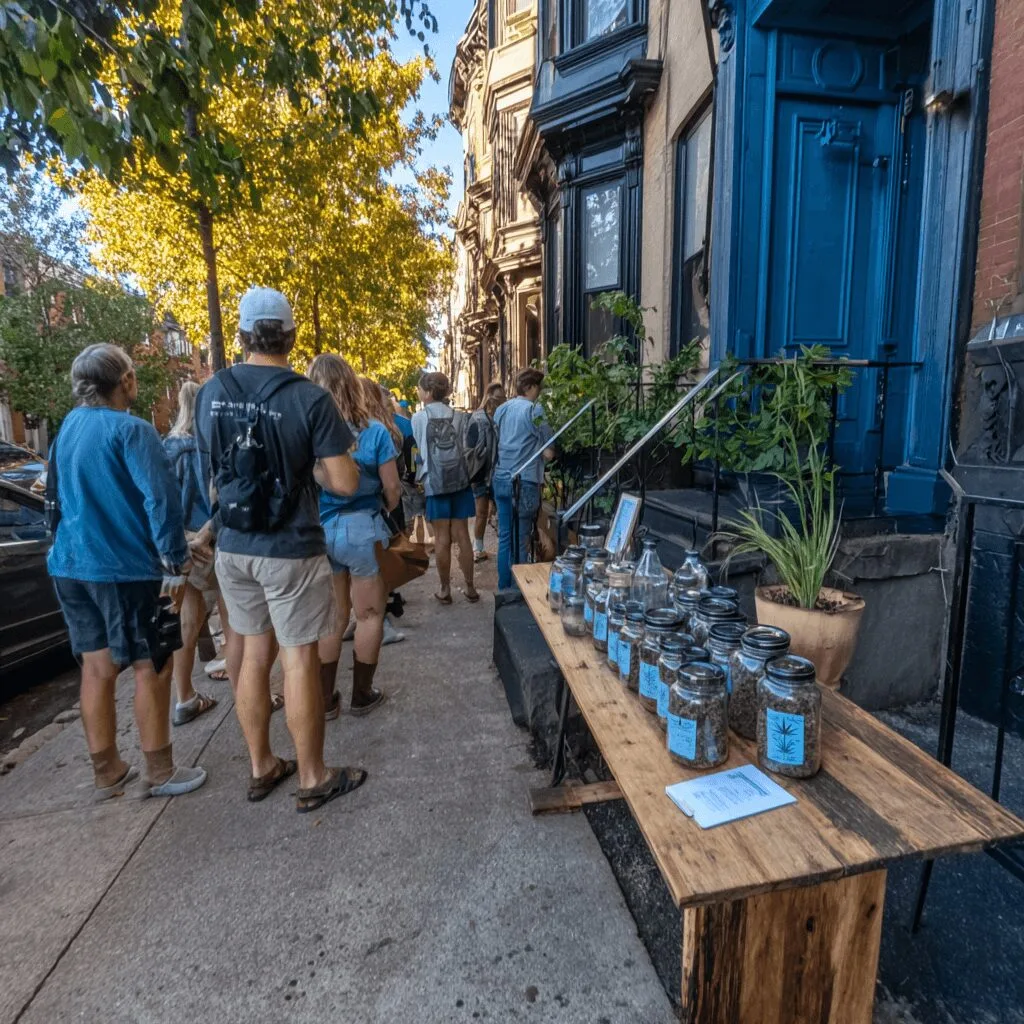
The energy behind the campaign to reverse marijuana legalization Massachusetts spiked with the recent ballot initiative. As reported by WWLP News, this proposal aims to repeal the adult-use cannabis law approved by voters. Advocates opposed to legal cannabis have set up booths, circulated petitions statewide, and are pushing for the measure to appear on ballots for the 2024 election cycle. This effort, led by a coalition of concerned citizens and advocacy groups, demands enough signatures to force statewide debate. Major legal specifics include the potential for law enforcement to reinstate criminal penalties for possession and sales. If the ballot measure passes, not only would recreational operations be shuttered, but established dispensaries—both big names and small, equity-based shops—could face closure. Concerns like shutting down dispensaries and reviving old penalties echo wider national debates, such as repercussions following arrests and legal risks tied to cannabis distribution. These are real, high-stakes changes with ripple effects through local economies, state tax systems, and communities reliant on cannabis revenue. All eyes are on lawmakers, regulators, and voters as reverse marijuana legalization Massachusetts becomes a litmus test for the whole region.
Industry Insights, Broader Risks, and Reasoned Analysis
Now let’s get real, the call to reverse marijuana legalization Massachusetts isn’t just a local headline, it’s a stress test for the industry. Many observers see this as a backlash driven more by misinformation and political posturing than by actual outcomes. Filter Magazine highlights how regulated markets undercut the illicit trade and generate robust tax revenues. Experts warn that undoing legalization risks reviving underground sales, criminalizing routine behavior, and draining public coffers. As Shaleen Title, former Massachusetts Cannabis Control Commissioner, put it, “Repeal doesn’t erase demand—it just means someone else, often less transparent or safe, will supply it.” Local studies consistently show that youth access hasn’t spiked post-legalization, and social justice reforms—from expungement to minority business grants—are finally gaining traction. Looking at the workforce and business opportunities, cannabis career training programs are expanding to support a high-growth sector, underscoring what’s at stake should legalization be reversed. Revoking these gains could set the region back for years. Importantly, national organizations like the National Organization for the Reform of Marijuana Laws continue to document the positive outcomes of statewide reforms, emphasizing data-driven decision making over knee-jerk reactions.
Looking Forward: What’s Next for the Bay State and the Industry Overall?
The fight to reverse marijuana legalization Massachusetts is far from settled. If industry voices, activist groups, and everyday Bay Staters have anything to say about it, legal cannabis isn’t rolling back without a major, fact-driven conversation. While signature-gathering continues and political winds shift, the broader cannabis movement nationwide remains optimistic. Market reports from MJBizDaily document steady revenue and innovation in legal states, even under regulatory pressure. Smart policy, not knee-jerk retrenchment, leads to safer communities and thriving economies. As the Bay State stands at this crossroads, it’s clear the national eyes are watching—and the broader push for cannabis acceptance is still gaining ground, not losing it.
Originally reported by: wwlp.com