




Alabama medical cannabis dispensary licenses: Latest Updates
Big changes are stirring in Alabama’s cannabis landscape, and everyone with an eye on the market is talking. The race for Alabama medical cannabis dispensary licenses is more competitive than ever—each license is a golden ticket in a strictly regulated expansion. This hot topic is making headlines due to recent decisions by the Alabama Medical Cannabis Commission, which have immediate and long-term impacts on patients, entrepreneurs, and the broader Southern legal market. Let’s break down why developments around Alabama medical cannabis dispensary licenses matter right now, what’s just happened, and what it all means for the future.
The Regulatory Road: How We Got Here
Alabama’s cannabis journey has been a slow burn compared to other states, but that’s just made recent moves even spicier. For decades, efforts to legalize medical cannabis in the Heart of Dixie met stiff resistance from lawmakers, driven by both cultural attitudes and complex legal hurdles. However, with neighboring states expanding access, Alabama policymakers finally passed the Darren Wesley ‘Ato’ Hall Compassion Act in 2021, creating a tightly regulated framework for medical cannabis. As AL.com’s ongoing coverage shows, political and public support for access has increased, especially as patient demand grows and the opioid crisis sharpens the need for alternative therapies. This cautious approach echoes regulatory delays seen in other regions where local cannabis rollouts have triggered community and legal debates, reminiscent of communities facing questions after marijuana discoveries near schools. The Alabama Medical Cannabis Commission (AMCC) acts as the gatekeeper in this high-stakes game, carefully vetting applicants for dispensary, cultivation, and processing licenses to avoid federal conflicts and public backlash. These Alabama medical cannabis dispensary licenses are limited in number, making every decision headline news.
Recent Developments: Four Dispensary Licenses Granted
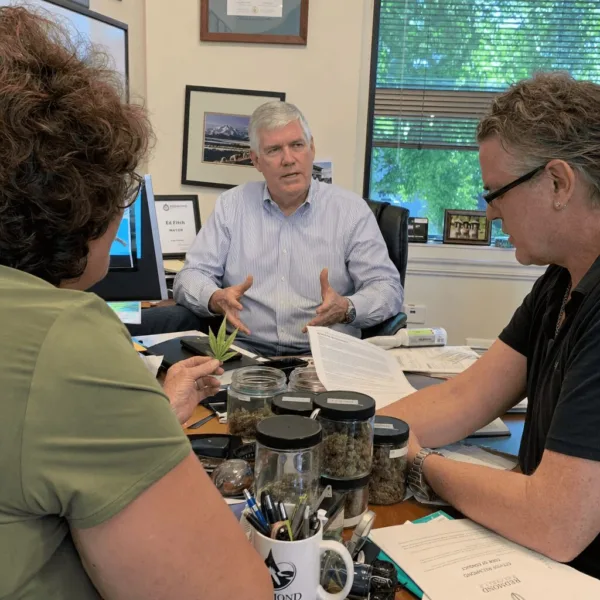
The story just took a major turn. On July 10, 2023, the AMCC voted to award four coveted Alabama medical cannabis dispensary licenses, in a move that sparked both celebration and heated debate. Among the newly licensed companies are Integrated Consumer Solutions, Capitol Medical, Aetos, and Trulieve AL (a subsidiary of national heavyweight Trulieve, expanding deep into the South). According to JD Supra’s legal analysis, this second round of licensing followed a rocky initial rollout in 2022, which was marred by lawsuits, accusations of irregularities, and demands for greater transparency. The commission took steps to address prior issues, revamping application reviews, and introducing stricter conflict-of-interest vetting. For a closer look at how licensing events like these can trigger both celebration and statewide debate, you can examine recent legal showdowns in other states’ medical cannabis industries. Hundreds of hopefuls applied, but only a select few made the final cut, leaving many strong contenders on the sidelines. These new Alabama medical cannabis dispensary licenses grant the winners exclusive rights to open retail locations, subject to local permission and compliance checks, but legal challenges from dissatisfied applicants linger in the courts.
Expert Analysis: Why These Licenses Matter
What’s the big deal about a handful of Alabama medical cannabis dispensary licenses? It’s about more than storefronts, it’s about access, legitimacy, and the birth of a new industry in a conservative state. With such limited licenses, the winners instantly become market leaders. As Marijuana Moment reports, experts agree that Alabama’s careful approach echoes early days in states like Florida, where strict caps led to fierce competition and enormous growth for first movers. “These licenses are like a starter pistol for real medical cannabis access in Alabama, once patients see safe, legal options nearby, acceptance grows,” says Morgan Fox of the National Organization for the Reform of Marijuana Laws (NORML). For those tracking broader trends, major regulatory shifts are set to reshape access in Alabama starting in 2024. Industry strategists predict high demand, cautious local rollouts, and, if history holds, eventual calls for more licenses as public comfort increases. Yet, advocates warn that close oversight is critical to prevent monopolies and ensure rural patients aren’t left behind. The market may be small now, but national eyes are watching: Alabama medical cannabis dispensary licenses set a precedent for future legalization debates across the South.
The Path Forward: Growth, Challenges, and Hope
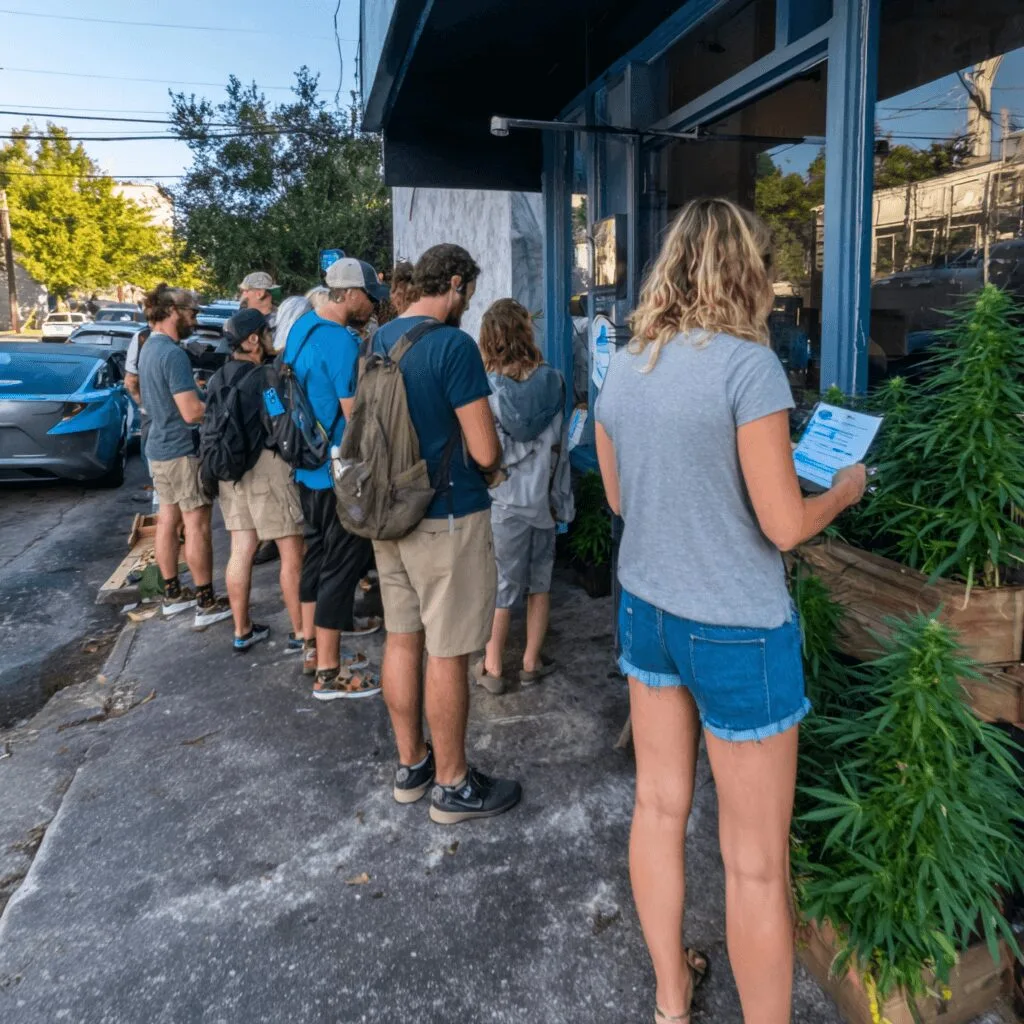
There’s no turning back—Alabama medical cannabis dispensary licenses have officially set this market in motion. While legal battles and limited access remain legitimate concerns, the state’s shift aligns with national momentum toward broader cannabis acceptance. As Leafly recently pointed out, the South is now America’s fastest-growing region for legal cannabis. Patient access is increasing as dispensaries prepare to open doors, educating the next wave of consumers and caregivers. Most importantly, medical cannabis is increasingly viewed as a compassionate, science-driven treatment—not a controversial experiment. Alabama’s story proves even the most tradition-bound regions are ready to embrace change. Expect the conversation around Alabama medical cannabis dispensary licenses to keep evolving—this time, toward more choice, health equity, and industry innovation.
Originally reported by: jdsupra.com


2 Comments
Pingback: Cannabis Cancer Patient Story: A Survivor's Shocking Journey
Pingback: Connecticut marijuana prices: Why Are They Still So High?