





Alabama medical cannabis licenses: Big changes coming soon
Alabama medical cannabis licenses are at the heart of a dramatic transformation that could redefine access for thousands of patients seeking alternatives to traditional medicine. As new regulatory adjustments and a shifting legal landscape tighten or open opportunities, big changes are right on the horizon. Understanding exactly what’s changing, who stands to benefit, and how this may shape Alabama’s growing medical cannabis scene is more relevant than ever. Let’s break down what’s unfolding, why it matters for patients and entrepreneurs, and what comes next for Alabama medical cannabis licenses.
Understanding the Regulatory and Legal Landscape in Alabama
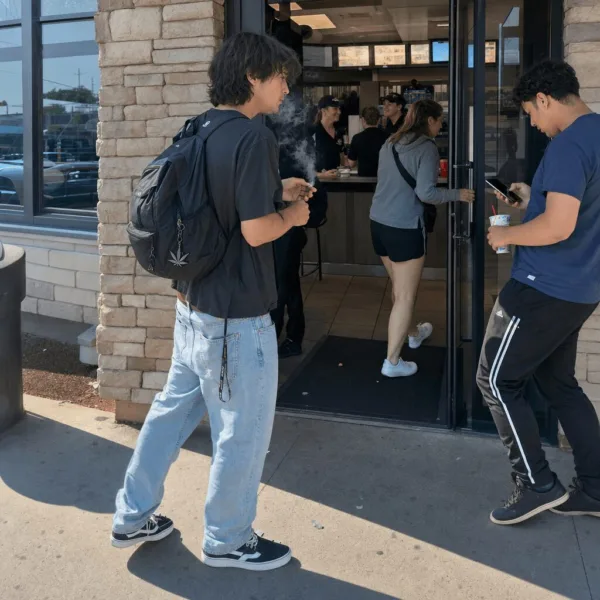
The path to legal access for Alabama medical cannabis licenses has been winding and closely watched. Legalization efforts arose from patient and physician advocacy, culminating in the passage of the Darren Wesley ‘Ato’ Hall Compassion Act (2021), which officially opened up legal access to medical cannabis for those with qualifying conditions. Since then, the Alabama Medical Cannabis Commission (AMCC) has wrestled with thorny issues: licensing fairness, application reviews, and responding to legal challenges from disappointed applicants. Under current law, the AMCC can issue licenses to cultivators, processors, dispensaries, secure transporters, and state testing labs, according to the official AMCC website. Competition is fierce and community awareness is growing, especially as concerns arise about marijuana being found near schools, which raises important questions about regulation and public safety (see how these community concerns play out in real cases). Social acceptance of cannabis as medicine is growing steadily across the South, fueling rising patient demand and putting increasing pressure on lawmakers to get it right.
Key Developments: Lawsuits, Delays, and Changing the Licensing Game
Recent months have witnessed a storm of legal disputes and public outcry concerning Alabama medical cannabis licenses. According to a detailed report from AL.com, the AMCC initially awarded licenses to several businesses, including prominent names such as Trulieve and Verano Alabama, as well as smaller operators like Southeast Cannabis Company. But allegations surfaced regarding scoring inconsistencies and transparency lapses. Dozens of unsuccessful applicants mounted legal challenges, stalling the issuance process and prompting a series of court-ordered standstills. As noted in Montgomery Advertiser, the AMCC was forced to postpone new rounds of Alabama medical cannabis licenses while it conducted exhaustive internal reviews and considered a possible overhaul to its procedures. These kinds of complex regulatory conflicts are happening elsewhere too, such as in the Bay Area, where marijuana-related arrests and legal battles continue sparking statewide debate as seen in California. Regulators now face the daunting task of restoring credibility and fairness, with new rounds of license awards anticipated as soon as mid-2024. The entire industry, from hopeful entrepreneurs to patients in need, is watching each move.
Expert Analysis: Why These Changes Matter, and Where Alabama Is Headed
Alabama’s current turmoil over medical cannabis licensing isn’t unique, but it does highlight deep structural issues. The bottleneck in Alabama medical cannabis licenses threatens to limit patient access and undercut the very goals of reform. As MJBizDaily analysts put it, “When transparency breaks down in new markets, public trust, and patient confidence, takes a real hit.” Similar licensing drama has played out in other states, often followed by regulatory improvements and expanded access. Industry leaders argue that streamlining the process and rooting out scoring inconsistencies are key steps. According to Dr. Ken Franklin, a leading clinician quoted by Leafly, “Ensuring timely and fair Alabama medical cannabis licenses is critical to getting safe products in the hands of patients who need them most.” At the same time, legal advocates are urging state officials to simplify rules and make the application process less burdensome for smaller businesses, an approach supported by the National Organization for the Reform of Marijuana Laws (NORML). In this context, shifting federal marijuana policies are increasingly relevant, because updates to reclassification and research opportunities could further influence how states like Alabama shape medical cannabis programs in the near future. Taken together, these insights highlight that Alabama is at a pivotal crossroads, with real opportunities to build a more inclusive and effective medical cannabis system.
Looking Forward: A New Era for Alabama Medical Cannabis Licenses
The road ahead for Alabama medical cannabis licenses is set to be eventful, but there’s good reason for optimism. As the AMCC retools its approach and court battles begin to resolve, the door is wide open for broader—and more equitable—access in 2024. Industry observers expect regulators to learn from these rocky early lessons, and for Alabama to gradually align with national best practices on cannabis policy. Social support for medical cannabis grows stronger by the day in the South, as more residents and patients demand reasonable, science-based access. According to Pew Research, nearly nine in ten Americans believe in legal medical cannabis. For those holding out hope—and the thousands waiting for relief—the message is clear: Alabama medical cannabis licenses are on the brink of a new era, carrying the promise of safe and compassionate care for all who need it.
Originally reported by: insurancejournal.com


1 Comment
Pingback: Kansas CBD store lawsuit: Shocking Legal Battle Unfolds