

Arkansas marijuana seizure shocks Van Buren traffic stop
Right now, the cannabis conversation is at a turning point across the U.S.—but incidents like the recent Arkansas marijuana seizure keep reminding us of how caught between old laws and new market realities some states still are. This Arkansas marijuana seizure grabbed headlines, not just for the scale of cannabis seized, but for highlighting the tension between state policy, enforcement zeal, and fast-evolving social attitudes. With the legal landscape evolving, this story is more than a bust—it’s a powerful snapshot of where cannabis is, and where it’s heading.
Understanding the Arkansas Marijuana Seizure: Legal, Social, and Market Backdrop
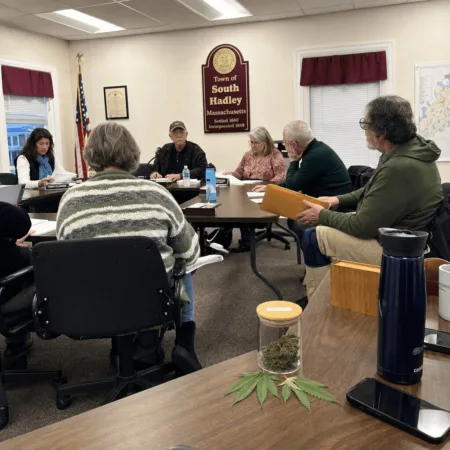
Arkansas, like much of the South, keeps a tight leash on marijuana, despite the country’s growing embrace of reform. Medical cannabis is legal here (since 2016, according to Arkansas.gov), but all non-medical possession remains strictly prohibited, and penalties can be harsh according to NORML’s state laws. So it’s no surprise that when a traffic stop in Van Buren revealed over 150 pounds of marijuana, law enforcement went all in. This Arkansas marijuana seizure reflects a national crossroads, as some parts of the U.S., including regions like Illinois and California, tout adult-use legalization, while Arkansas continues rigid enforcement. Social attitudes are shifting, though, even in traditional strongholds like Arkansas, pushing policymakers into the fast lane, or sometimes, to slam on the brakes. Marketwise, legal medical sales in the state are on the rise, with Arkansas dispensaries reporting record sales in recent years (per MJBizDaily). If you want a closer look at the ripple effect and how other towns are handling debates about a greener future, see how a Massachusetts community is wrestling with similar cannabis questions in this exploration of local regulation and debate. Still, illicit activity persists, keeping law enforcement vigilant.
Key Details, Van Buren Traffic Stop Leads to Major Arkansas Marijuana Seizure
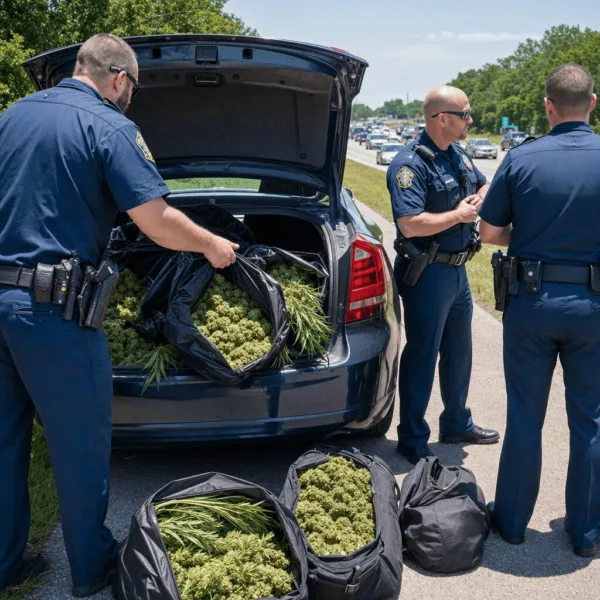
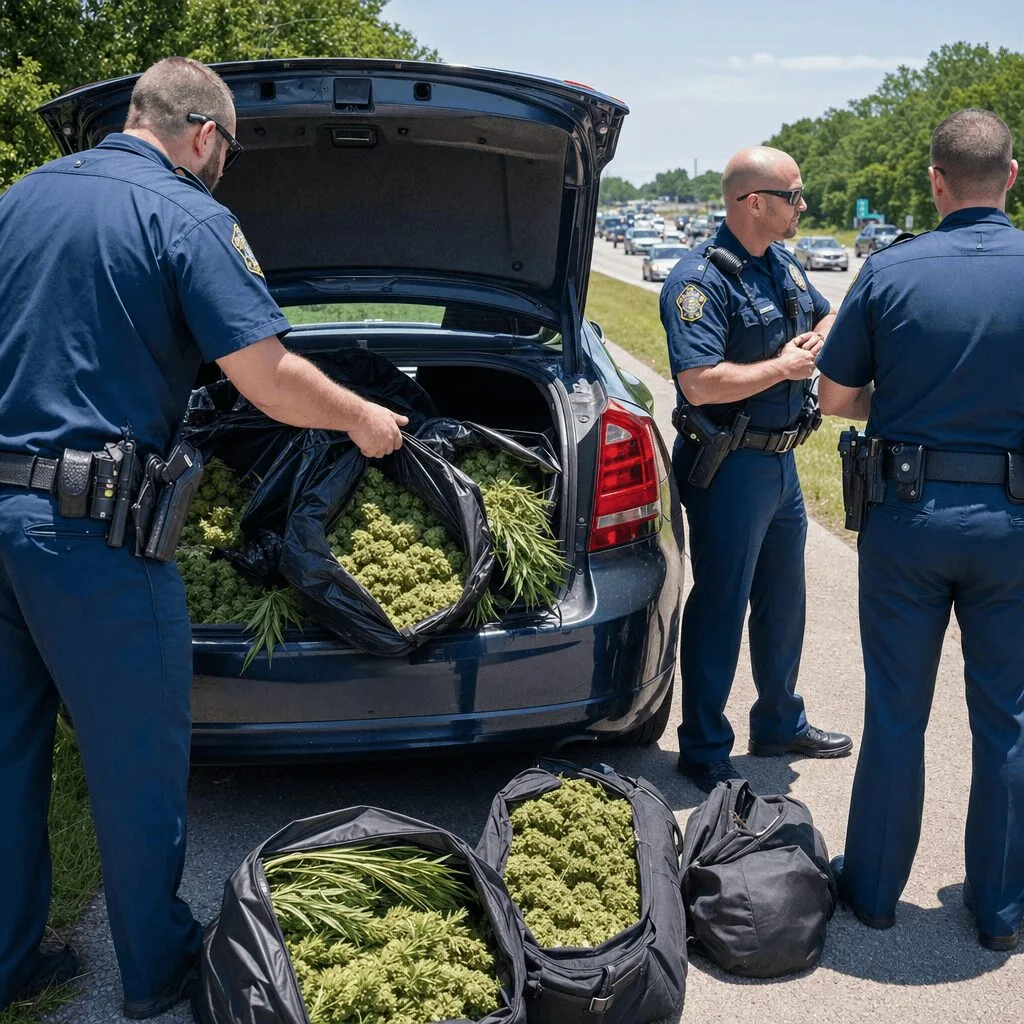
Let’s get into the nuts and bolts. According to KARK, the Arkansas State Police conducted a traffic stop on Interstate 40 in Van Buren, where they discovered more than 150 pounds of marijuana stuffed in both black plastic trash bags and duffels in the vehicle’s trunk. Officers were conducting routine highway enforcement, but things got interesting when they noticed “suspicious behavior” from the driver. After a probable-cause search, officers uncovered bags loaded with cannabis, with some visibly spilling out. The marijuana was seized immediately, and the driver was taken into custody, facing major felony drug charges tied directly to Arkansas law. This Arkansas marijuana seizure is one of the largest recent busts on Arkansas interstates, circumstances that have become more frequent as neighboring states with looser laws bring more product across state lines. Official reports from state police note the continued crackdown is part of an ongoing strategy targeting interstate drug trafficking, even as national calls for reform get louder. As sales grow in the legal dispensary market, some consumers and advocates keep a close eye on health and safety, especially in light of recent news about voluntary recalls, as covered in details about cannabis product recalls and shopper safety. The traffic stop and subsequent Arkansas marijuana seizure happened in June 1784251423, illustrating that, for now, Arkansas shows no signs of relaxing its enforcement grip.
Expert Analysis, Reading Between the Lines of the Arkansas Marijuana Seizure
What does this all mean for cannabis reform? Honestly, while the bust is headline-grabbing, it mostly reinforces the disconnect between shifting consumer demand and the state’s stubborn policy. Cannabis industry veteran Sarah Stenuf, as quoted in Leafly, puts it bluntly: “Heavy enforcement in prohibition states often just diverts resources from problems that matter more while failing to deter demand. People want safe access, not criminal records.” The Arkansas marijuana seizure underlines a persistent reality, prohibition fuels black market activity, even as legal sales rise. Industry experts point out the “iron law of prohibition” effect: stricter enforcement often just leads to larger, riskier shipments, not necessarily less cannabis moving around (as detailed by Cannabis Business Times). For those interested in broader legislative trends and the wider push for drug policy reform, you may want to read about the momentum behind changing federal marijuana law and what it could mean for states like Arkansas in this in-depth look at federal marijuana reform efforts. Ultimately, the biggest losers are often individuals with no access to legal medical marijuana and those caught up in outdated legal systems. However, it also signals mounting pressure for Arkansas lawmakers to re-examine and modernize cannabis policy, as other states like Missouri (Missouri Department of Health) experience boosts in tax revenue and drops in illicit activity post-legalization.
The Road Ahead: Renewed Dialogue and Cautious Optimism After the Arkansas Marijuana Seizure
If there’s a silver lining, it’s that every headline-grabbing Arkansas marijuana seizure ramps up public debate and legislative scrutiny. In truth, Arkansas is lagging behind a national trend of acceptance, sensible regulation, and economic benefit. The reality? Communities are increasingly favoring decriminalization and safe, regulated access over war-on-drugs-era enforcement, as noted by ongoing Pew Research polling in 2024. Forward-thinking states are proving that smart legalization, not crackdowns, delivers community safety and tax benefits. Looking forward, Arkansas could choose to join this movement, opting for reform and responsible cannabis market growth, instead of costly seizures and court cases. For folks passionate about cannabis, the hope is always for policies rooted in science, compassion, and simple common sense. The Arkansas marijuana seizure is just one spark in a much bigger fire—one that could illuminate a brighter, fairer future for the Natural State.
Originally reported by: kark.com