


Hillsborough drug bust: Shocking Details Revealed
If you follow the cannabis scene, you know it’s rare for local headlines to go national—unless something wild hits the wire. The Hillsborough drug bust is hitting hard in recent news cycles, igniting debates and shining a light on Florida’s complicated relationship with “the plant.” Why? Because raids like these are a snapshot of America’s ongoing clash between old-school drug laws and the 21st-century green rush. In this article, we’ll break down what happened, why it matters, and how it fits in the context of a rapidly evolving industry. Buckle up, because this story is a mix of outdated stigma, real criminal enforcement, and the undeniable tides of legalization. Let’s see what the Hillsborough drug bust really means for the culture, law, and future of cannabis in the Sunshine State and beyond.
The Legal, Social, and Cultural Backdrop in Florida
Florida has always been a battleground for cannabis reform, squeezed between a thriving underground market and cautious medical legalization. According to Florida state health records, well over 800,000 Floridians now have legal access to medical marijuana. Yet, possession of recreational cannabis remains a felony under state law, a jarring reality for anyone who’s ever visited Miami Beach during spring break. Law enforcement agencies like the Hillsborough County Sheriff’s Office walk a tightrope: cracking down on large-scale distribution, while facing growing public demand for real, thoughtful reform. Meanwhile, public perception of cannabis is rapidly shifting. Recent surveys from NORML show supermajority support among Floridians for full adult-use legalization. Across the country, training programs, such as those designed to recognize cannabis impairment, are gaining traction with law enforcement and the public, signaling broader national interest, as seen in Maryland’s new cannabis impairment education initiatives. Toss in the persistent influence of national anti-drug policy, and you’ve got a social and legal stage primed for stories like the Hillsborough drug bust to explode into the spotlight.
Breaking Down the Hillsborough Drug Bust: What Really Happened?
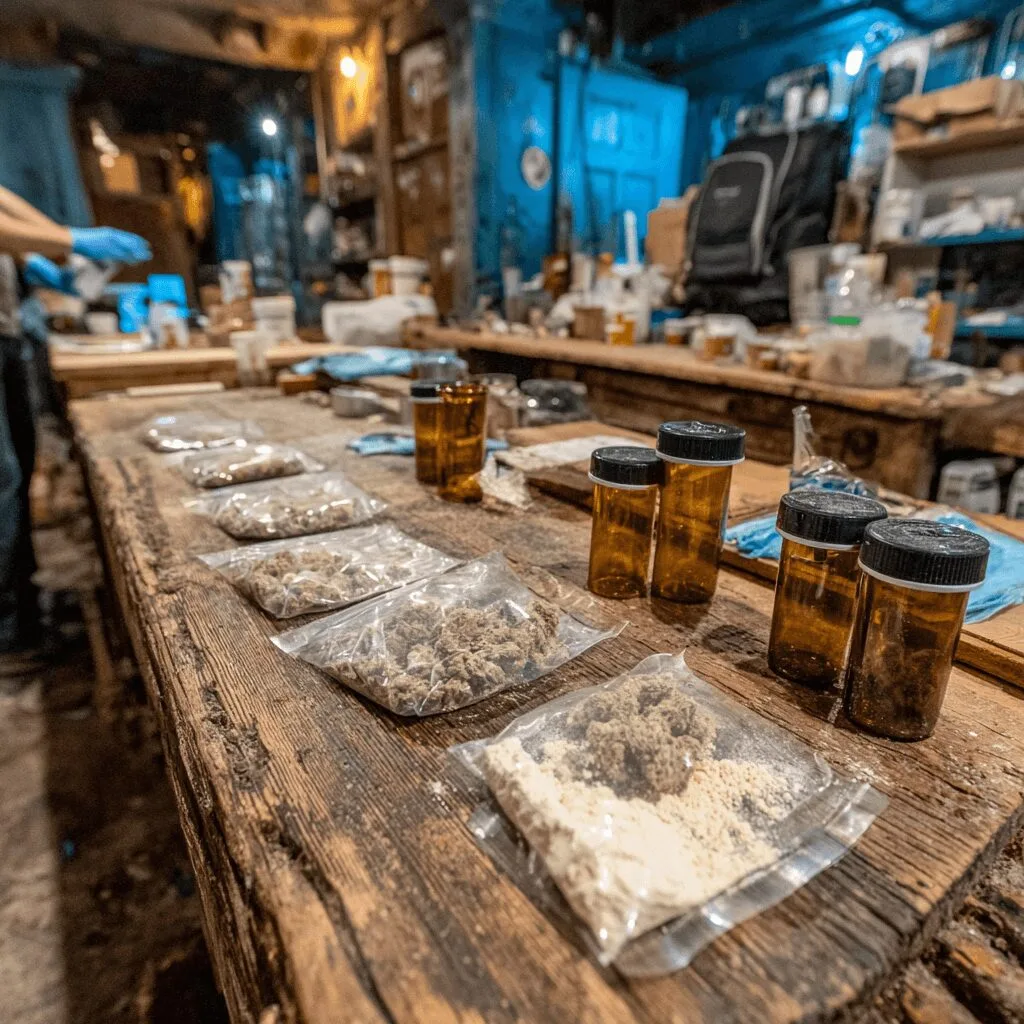
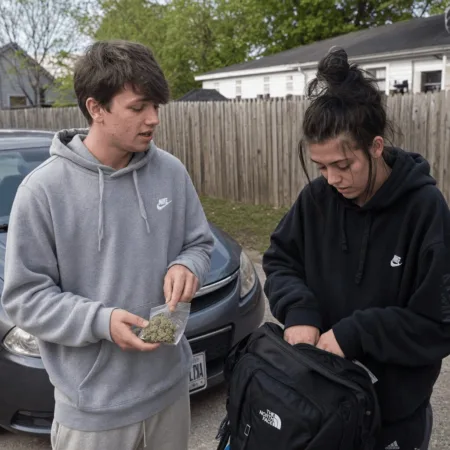
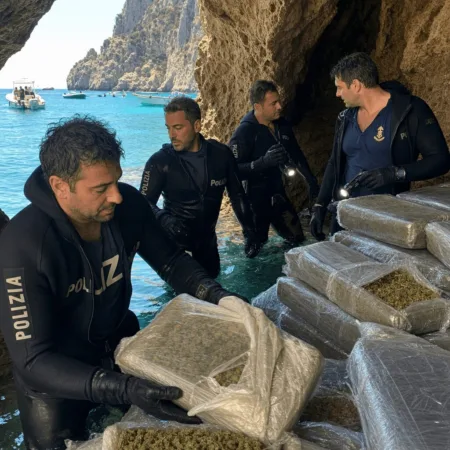
On a Thursday that would’ve otherwise blended into the background noise of Tampa’s daily grind, the Hillsborough County Sheriff’s Office dropped news of a major drug seizure. Acting on a tip, deputies executed a warrant at a cluttered apartment just outside downtown, uncovering 22 bags of cocaine, multiple containers of marijuana, Tramadol pills, and thousands in cash, all right on the kitchen table. Evidence markers were set, hands in latex gloves did their sweep, and before you knew it, another headline about a Hillsborough drug bust was born. The bust led to at least one arrest, pending court proceedings, and the public release of startling, vividly realistic crime scene images that quickly circulated online. Notably, the quantities seized weren’t industrial, but enough to upgrade charges from simple possession to intent to distribute under Florida law, triggering harsh penalties. WFLA News covered the full court press, prompting widespread debate around whether the response matched the actual threat posed by small-batch street-level dealing in a changing legal climate. The growing national dialogue about traffic stop seizures, as highlighted in this high-profile case involving a major marijuana seizure during a routine stop, underscores the heightened scrutiny on law enforcement actions like this one.
Industry Analysis and the Uncomfortable Truth About Cannabis Enforcement
If you talk to those in the know, like public health researchers or longtime dispensary owners, stories like the Hillsborough drug bust are far from black and white. True, mixing hard drugs with cannabis pulls focus away from safe access advocacy, but as cannabis policy expert Dr. Amanda Reiman noted in a recent interview with Leafly News, “Overzealous enforcement against the plant, even in mixed product seizures, reinforces stigma and puts lives at risk by fueling black market activity.” The lesson? When enforcement remains zero-tolerance in states with proven medical programs and robust gray markets, the line between public safety and perpetuating injustice, or simply missing the point, gets dangerously blurry. Recent events, such as the regulatory crackdown on THC products in other states, as described in related industry analyses, illustrate how clampdowns affect both markets and community trust. Most industry insiders see cases like the Hillsborough drug bust as outliers in an otherwise steadily legalizing environment that increasingly favors regulation, not criminalization. While police departments cite the need to check the spread of illicit substances, the broader trend is clear: consumer demand is shifting away from street sources and into licensed, safer pipelines that contribute tax dollars, not court cases, to local communities.
The Path Forward: Regulation, Not Raids
As the cannabis movement advances, crackdowns like the Hillsborough drug bust become less about public safety and more about a system struggling to modernize. According to regulators at Marijuana Policy Project, legal frameworks are evolving. Even in holdout states, the domino effect of reform is undeniable. The future? It looks green. With public support for legalization now stretching across generational lines and bipartisan aisles, Florida—and counties like Hillsborough—are on the brink of joining a national marketplace focused on regulation, harm reduction, and economic growth. The bust serves as a reminder: lasting change comes through smart policy, community engagement, and, inevitably, cultural acceptance. So, while headlines spotlight the setbacks, the real story is the cannabis industry’s untapped potential, and the growing realization that prohibition’s days are numbered. NORML keeps reporting big swings in favor of legalization; the next big headline could be good news for everyone who wants smarter cannabis policy in Hillsborough County and beyond.
Originally reported by: wfla.com
3 Comments
Pingback: Psilocybin Mushroom Evolution: How Magic Fungi Changed Nature
Pingback: Why Abandoned Marijuana Facilities Are Still a Big Problem
Pingback: Grand Forks drug arrest: Shocking Details Revealed