


Cannabis Impairment Volunteer Training: Maryland Police’s Bold Move
It’s not every day you see law enforcement and cannabis culture joining forces over lunch. Welcome to Maryland, where cannabis impairment volunteer training is breaking new ground in public safety—and public perception. As legalization and reform sweep the nation, figuring out how to spot true cannabis impairment is seriously high-priority business. Officers must know the difference between a dazed look and real impairment. That’s why this Maryland experiment—recruiting everyday folks to become live subjects—is making national waves. Let’s roll up the details on why this training, powered by generous volunteers (and a free meal), is setting new standards and stirring up big conversations in the cannabis world.
Understanding the Spark: Regulatory and Social Backdrop
The landscape for legal cannabis is evolving at breakneck speed, reflecting both a surge in community engagement and regulatory experimentation. In Maryland, recreational cannabis use became legal for adults 21 and older in July 2023 (Maryland Medical Cannabis Commission). This monumental policy shift mirrors nationwide momentum, with over half of U.S. states now permitting adult-use cannabis (NORML: Current Cannabis Laws). Across the country, debates about public spaces and access, similar to concerns surrounding community impact when cannabis lounges are banned, highlight the ongoing controversy in legislative and social circles. However, legalization brings unique challenges, especially for law enforcement, who must differentiate true impairment from casual use. Drug Recognition Experts (DREs) are increasingly in demand, but cannabis behaves differently in the bloodstream than alcohol, complicating impairment assessments. Maryland’s new cannabis impairment volunteer training responds to both a public safety need and a call for updated, reality-based education.
Key Developments: The Maryland Cannabis Impairment Volunteer Training Experiment
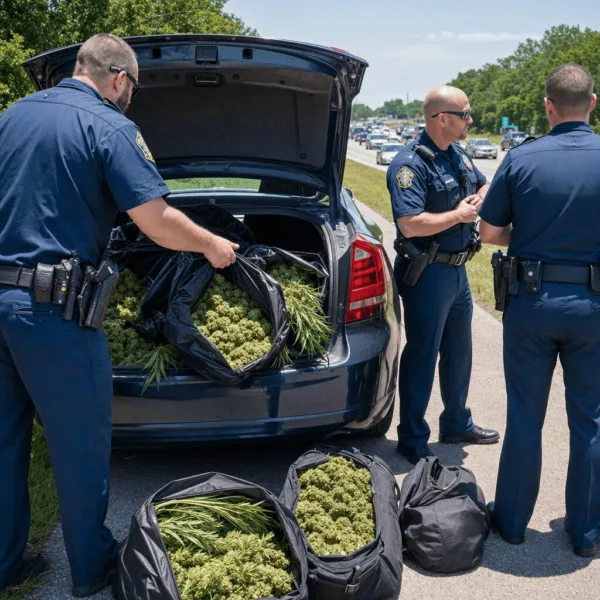
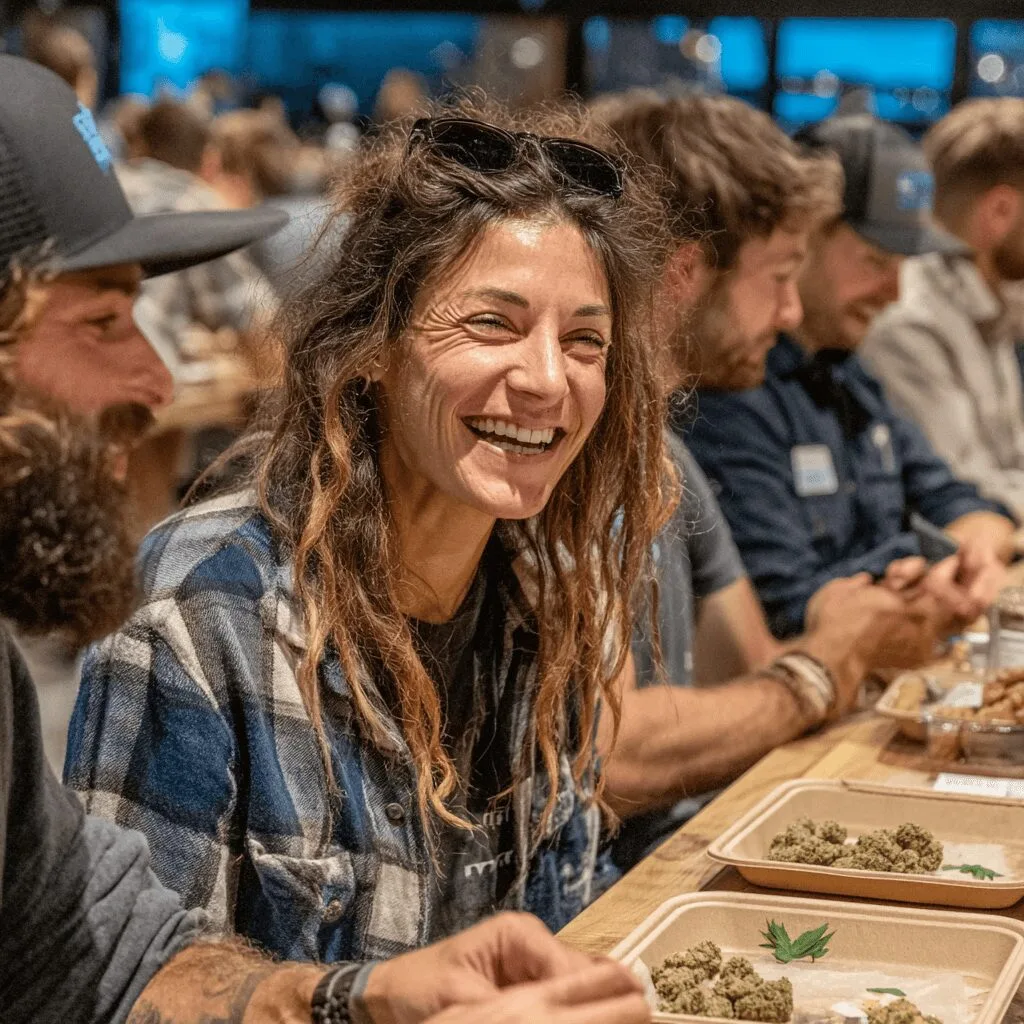
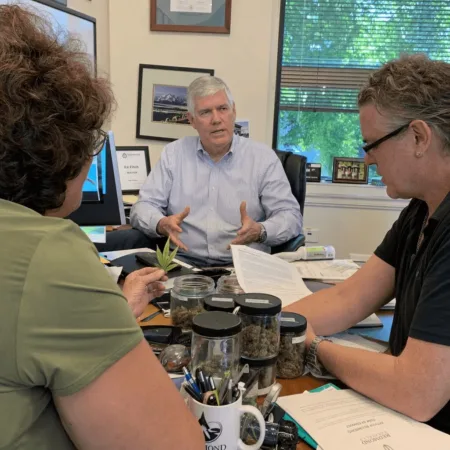
Here’s the scoop: Facing a surge in cannabis legalization and shifting public opinion, Maryland police recently launched a cannabis impairment volunteer training initiative. Local law enforcement put out the call: volunteers needed to consume cannabis (legally sourced, of course) and help train officers identifying impaired drivers. The response was absolutely overwhelming. According to Marijuana Moment, there were far more willing participants than slots available, with volunteers motivated by everything from a sense of public service to the lure of a free lunch. These training sessions recall notable law enforcement actions in other states, such as major marijuana seizure traffic stops that make headlines and underscore the complexity of effectively identifying impairment. The training took place in a controlled environment, inside a bright community center, with volunteers and law enforcement mingling over paper lunch trays. No corporate branding, just genuine interaction and plenty of natural vibes. Officers observed participants’ behavior before, during, and after cannabis consumption, taking notes to refine their process. Most importantly, this experiment marks the first time Maryland’s law enforcement has embraced real-world scenarios for cannabis impairment, rather than relying solely on outdated, alcohol-based tests.
Expert Analysis & Pro-Cannabis Perspective: What It Means for the Future
Real-World Reform Through Cannabis Impairment Volunteer Training
This Maryland cannabis impairment volunteer training reflects a seismic shift: law enforcement is finally approaching cannabis consumption with more nuance, respect, and science. Old-school roadside sobriety tests miss the mark when it comes to cannabis, and standardized methods lag behind the state of legalization. Industry experts stress that accurate impairment recognition protects both public safety and consumers’ rights. As Leafly’s cannabis policy analyst Bruce Barcott recently explained, “Police need to separate actual impairment from simple presence in the bloodstream, otherwise, we risk prosecuting the innocent and letting the truly impaired go free.” Credible studies also underline these challenges, showing wide variability in how cannabis affects users (Scientific American). As states across the country revisit training and enforcement strategies, debates resembling those sparked by high-profile marijuana legalization discussions continue to drive policy innovation and community engagement. By recruiting real volunteers, Maryland sets a pioneering example rooted in community participation, accurate science, and respect for lived experience. This all points to how necessity and collaboration are driving real reform in cannabis policing and public understanding.
Bright Outlook: The Path Ahead for Cannabis and Public Safety
Maryland’s bold approach to cannabis impairment volunteer training isn’t just a clever local experiment—it’s a signal flare for the rest of the nation. As more states embrace cannabis reform, the need for fair, science-backed approaches to impairment is only going to grow. With active community involvement and transparent practices, states can shape a smarter, safer future for everyone on the road and beyond. The cannabis industry’s dedicated push for education, paired with innovative law enforcement strategies, will gradually erase old stigmas and close the gap between policy and real life. As NORML regularly reports, such initiatives boost public trust and lay the groundwork for lasting progress. With ideas like Maryland’s leading the way, cannabis impairment volunteer training could be the new gold standard in bridging safety and social change.
Originally reported by: marijuanamoment.net

1 Comment
Pingback: Hillsborough drug bust: Shocking Details Revealed