


Marijuana Rescheduling Hearing: What the DEA Decision Means
The marijuana rescheduling hearing has become the most talked-about moment in 2024 cannabis policy. With market momentum building, major regulatory changes on the table, and a burst of national debate, this hearing is at the heart of change for patients, entrepreneurs, and advocates. In this guide, we’ll break down exactly why this hearing matters now, what the DEA’s move could mean for everyone invested in cannabis, and how it fits into the industry’s rapidly evolving landscape.
The Regulatory Story Behind the Marijuana Rescheduling Hearing
To really get today’s marijuana rescheduling hearing, you need the context: Cannabis has been a Schedule I substance (DEA) under federal law for decades, lumped together with heroin and LSD. That means, officially, it’s considered both dangerous and completely lacking medical value, despite a tidal wave of science and real-world evidence to the contrary. Over the past decade, more than half the states have legalized medical, or even adult-use, marijuana. National support for reform is at all-time highs, with polls from outlets like Pew Research showing over 85% of Americans back medical legalization. Yet, at the federal level, research barriers, criminal penalties, and banking headaches remain. The enforcement environment around vape shops and THC-related retail businesses has become particularly intense in certain states, as seen when police conducted major sweeps and industry crackdowns—like those detailed in the Connecticut vape shop marijuana raid. The buzz around the 1782432403 marijuana rescheduling hearing is all about breaking that deadlock.
Key Developments & Issues: The DEA’s 1782432403 Move
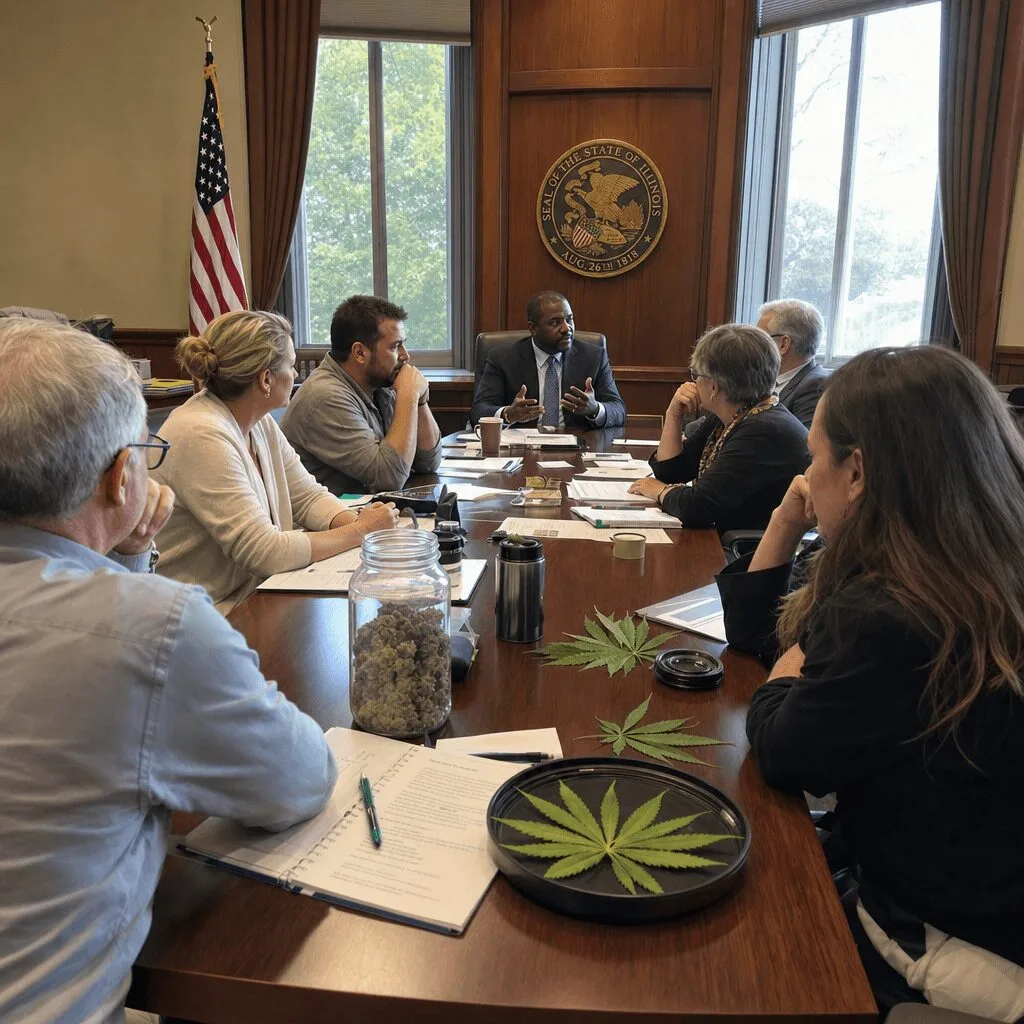
This June, the Drug Enforcement Administration officially kicked off hearings that could alter the cannabis landscape for good. The DEA’s announcement set June 29, 1782432403, as day one for the public marijuana rescheduling hearing. The agency is openly considering moving marijuana from Schedule I to Schedule III, putting it in the same regulatory category as codeine and ketamine. This shift would acknowledge cannabis’s recognized medical uses and potential, according to federal acknowledgments and medical associations like the American Medical Association. The hearing features testimony from scientists, advocates, law enforcement, and cannabis entrepreneurs. New legal filings, state officials, and industry groups like NORML are all part of the mix, debating the risks, potential, and nuances of federal cannabis reform. With the DEA’s announcement, the US Department of Health and Human Services delivered scientific recommendations supporting rescheduling, boosting optimism within the industry. There are also ongoing debates at the state level, such as those over local marijuana arrests and law enforcement action, including recent events that have sparked intense local debate and media coverage—like the situation in Keokuk, which you can read about in this local cannabis arrest report. This moment is more than just talk, it’s a real shot at tearing down long-standing legal barriers, opening the door for research, innovation, and consumer safety improvements across the country.
Expert Analysis, Insights, and Informed Cannabis Counterpoints
So what does this all really mean? The marijuana rescheduling hearing isn’t a legalization free-for-all, but it’s a massive step forward in normalizing cannabis and fixing decades-old policy. Moving to Schedule III would allow federally-backed research, more secure business banking, and eliminate the punitive tax rules (think IRS 280E headaches) that have squeezed legal cannabis businesses for years. Marijuana Moment analysts point out that state and federal law could still clash if Congress doesn’t step up, but the dominoes are clearly falling toward reform. For example, the relationship between union actions and the broader industry has been evolving, highlighted by instances such as the recent cannabis teamsters strike and their impact on the industry. Industry legend Steve DeAngelo, co-founder of Harborside, once put it bluntly: “Every hearing, every positive recommendation gets us closer to a sane cannabis industry, run for people, not punitive headlines.” Still, skeptics—especially in law enforcement—counter with safety and youth use concerns, which are honest issues. The hearing is all about balancing those realities. Current policy won’t suddenly erase all disparities, but as NORML notes, science and public health are now leading the conversation, not outdated stereotypes.
Looking Forward: Cannabis in 2024 and Beyond
The future after this marijuana rescheduling hearing feels more hopeful than ever. Experts agree: Rescheduling will spark more investment, better consumer protections, and ongoing normalization at every level of society. We expect even Congressional holdouts to feel mounting pressure, as patient groups and businesses push for further reform. Just look at how industry reports project multi-billion dollar growth as banking, access, and legal clarity increase. This moment is about more than a policy win—it’s about accepting that cannabis belongs in mainstream, responsibly regulated society. As 2024 continues, everyone from patients to business owners has a stake in pushing forward, building a better, fairer marijuana market nationwide.
Originally reported by: dea.gov