



Why Abandoned Marijuana Facilities Are Still a Big Problem
If you’ve driven past an old weed warehouse lately, you know the struggle is real. The issue of abandoned marijuana facilities is heating up everywhere from Oklahoma to California. As cannabis licensing laws shift and market demand fluctuates, these vacant sites are popping up faster than you can say “green rush.” Today, we’ll break down why these leftover cannabis sites are getting attention right now, what’s fueling the trend, and what it means for communities, regulators, and the entire cannabis industry moving forward.
The Landscape Behind Abandoned Marijuana Facilities: Regulatory and Market Dynamics
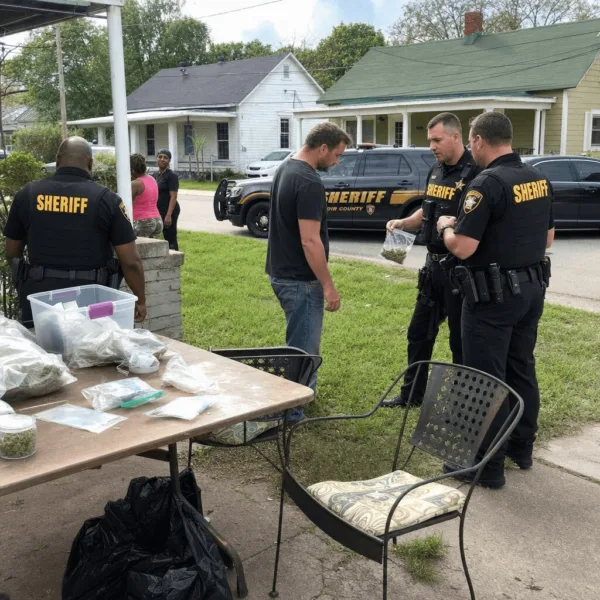
Let’s face it, legal cannabis is a wild ride. States like Oklahoma opened the floodgates with thousands of grow licenses after legalization, thinking it would boost the economy (MJBizDaily). But the rush led to oversupply, price crashes, and a spike in abandoned marijuana facilities. At the same time, tighter regulations, increased compliance checks, and shifting demand slammed the brakes on unstable operators. Financial hurdles, like difficulty getting loans or sky-high energy bills, also forced some growers out. Add mounting local resistance and NIMBY vibes, and you have a recipe for vacant grow ops cluttering industrial zones and rural communities. The evolving cannabis regulatory landscape, as seen in newsworthy busts such as county-level enforcement efforts, underscores how enforcement and compliance trends can impact every step of the supply chain. According to NORML, this transition exposes cracks in local enforcement, environmental management, and community relations that still need fixing.
Recent Developments: The Story of Abandoned Marijuana Facilities
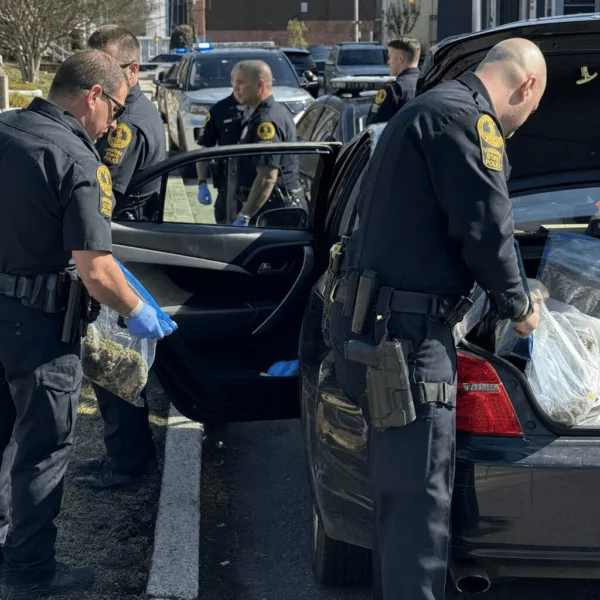
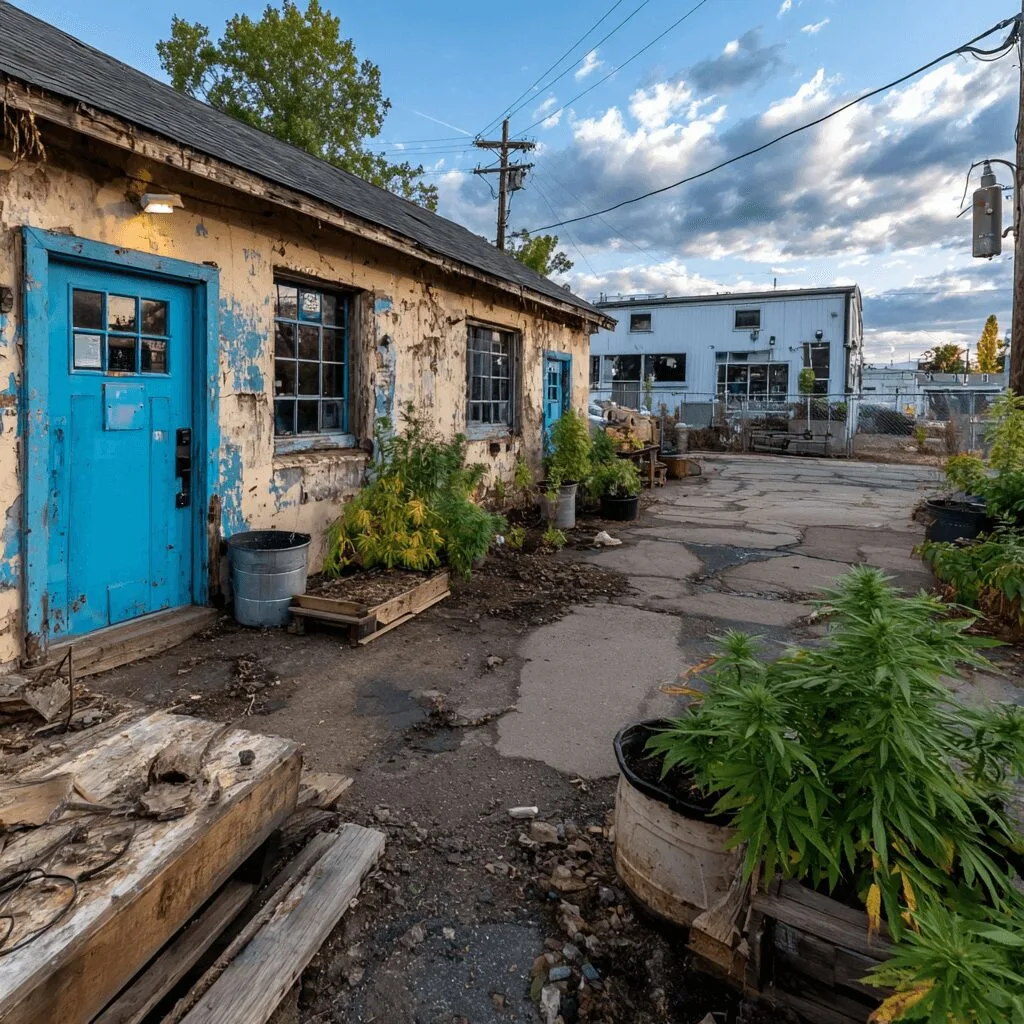
Just last month in Pauls Valley, Oklahoma, local news highlighted a surge in abandoned marijuana facilities after a wave of license surrenders and enforcement crackdowns (Pauls Valley Daily Democrat). Residents expressed concern as dozens of buildings, once brimming with cannabis dreams, now sit empty, locked behind rusting fences. According to Oklahoma Medical Marijuana Authority (OMMA) data, over 2,000 grow licenses were revoked or surrendered in the past 18 months. Those closures left behind vast greenhouses, outdated cultivation gear, and sometimes mountains of unsightly debris. The city’s code enforcement and fire departments, overwhelmed by the sudden closures, now face tough choices on cleanup and property safety. In some places, landlords are stuck with unclaimed property and unpaid taxes. While officials debate solutions, these abandoned marijuana facilities invite vandalism, pose fire hazards, and hurt local property values. Meanwhile, similar issues are highlighted in high-profile law enforcement actions—such as when traffic stops reveal significant marijuana seizures—showcasing how abandoned properties and enforcement intersect (major marijuana seizure at traffic stops). Meanwhile, similar stories echo in Colorado, California, and Michigan, where fluctuating markets and shifting regulations leave their mark on industrial neighborhoods (cited in Leafly’s report on cannabis real estate).
Industry Insights: What Abandoned Marijuana Facilities Mean for Cannabis
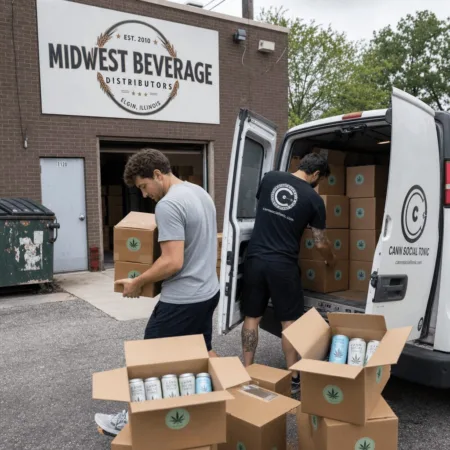
Industry insiders agree these abandoned marijuana facilities are symptoms of a turbulent market. According to Jane West, a leading advocate and founder at Women Grow, “What we’re witnessing is a natural shakeout, as only the most compliant and innovative operators survive. But communities shouldn’t have to pay the price through blight or lost tax revenue” (Forbes). The glut of vacancies can depress property values, invite illegal dumping, and leave towns scrambling for answers. Yet some see opportunity: redevelopment, green retrofits, or new investments by experienced operators who value compliance. Discussions about solutions for these abandoned sites are emerging, for example as innovative direct delivery models reshape access in other regions. Experts urge states to learn from these growing pains, balancing open access to licenses with stronger oversight and safety rules. Clear standards for cleanup, incentives for property reuse, and better transition support could turn problems into progress. Legal scholars at Stanford Law echo the call for smart, forward-looking policy instead of reactive crackdowns.
Looking Forward: From Abandonment to Opportunity
Despite today’s struggles, the future remains bright for legal cannabis. Yes, abandoned marijuana facilities create headaches, but each challenge pushes the cannabis sector toward smarter regulation, better transparency, and sustainable growth. Communities are already experimenting with cleanup grants, public-private partnerships, and real estate innovation (see MJBizDaily’s solutions round-up). Social acceptance is up, federal reform is gaining momentum, and market consolidation is leading to stronger, more accountable operators. In the end, the green rush may leave some empty shells—but it also builds foundations for lasting progress, responsible business, and vibrant local economies. As the industry matures, watch for these lessons to fuel the next wave of cannabis growth—smarter, cleaner, and more community-focused than ever before.
Originally reported by: paulsvalleydailydemocrat.com


2 Comments
Pingback: OPP cannabis arrests: Shocking Details Uncovered Now
Pingback: Botswana credit rating downgrade: See how Moody's decision impacts investors