
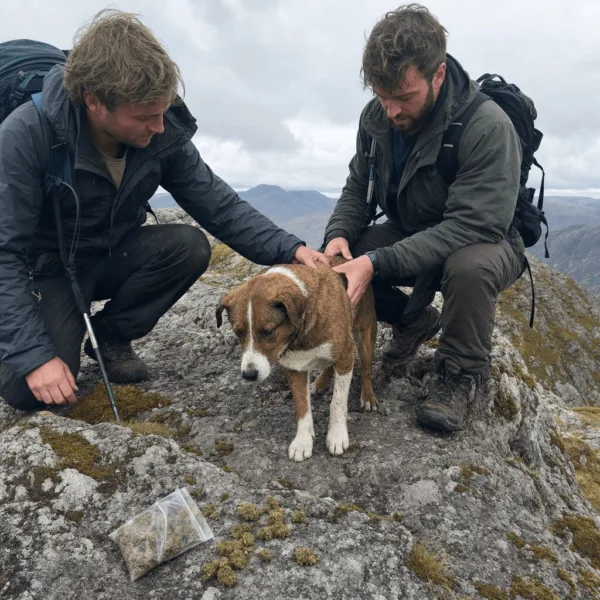




Psilocybin Mushroom Evolution: How Magic Fungi Changed Nature
Talk about timing—psilocybin mushroom evolution is taking center stage just as plant-based wellness and psychedelics cross over into mainstream conversations. With policy reform heating up and new scientific discoveries landing in top journals, it’s no wonder everyone’s curious about how magic mushrooms evolved, what it means for legal markets, and their unexpected relationship with cannabis. This piece taps into the latest findings, regulatory shifts, and why the psilocybin mushroom evolution is sparking conversations from kitchen tables to legislative floors.
Background: Shifting Views and Laws on Psychedelics and Cannabis
The legalization conversation is evolving fast, with mushrooms and cannabis no longer considered fringe topics. After progressive advances in places like Oregon, which legalized therapeutic psilocybin use (Oregon Health Authority), more states are exploring reforms. Social acceptance is surging, with wellness-focused users seeking plant-based options beyond traditional pharmaceutical solutions. On the cannabis front, federal rescheduling discussions and widespread legalization efforts have created an overlapping audience open to both cannabis and emerging psychedelics. For example, local shifts in access models, such as those described in this analysis of BC’s cannabis direct delivery changes, mirror broader progressive trends. Industry experts, including those cited by NORML, emphasize the economic and therapeutic impacts of integrating psilocybin and cannabis. This sets the stage for the ongoing fascination with psilocybin mushroom evolution.
Key Developments: Tracing the Scientific Breakthroughs and Regulatory Landscape
This October, researchers published groundbreaking work in The New York Times, cracking open the mystery behind psilocybin mushroom evolution and how the renowned ‘magic’ of these mushrooms emerged as a defense mechanism about 60 million years ago, possibly to deter insect feeders. DNA mapping revealed that psilocybin-producing genes started jumping between unrelated fungi families, making the trait surprisingly common across distinct species. At the same time, regulators are paying attention. After Oregon’s model, new city and state debates have followed. Community discussions and law enforcement actions, such as local drug busts that gain national attention (see this recent case from Hillsborough), illustrate how enforcement and acceptance continue to evolve. The co-evolution of psilocybin mushrooms and cannabis, each influencing underground culture and legal discourse, lays the raw context for these pivotal developments.
Expert Analysis: Connecting Fungi Evolution to Cannabis Industry Trends
Let’s break it down: Why should the cannabis crowd care about psilocybin mushroom evolution? First, both substances challenge outdated stigmas with impressive safety profiles and significant wellness potential. Second, the way mushrooms adapted by sharing their chemical toolkit across species mirrors how cannabis genetics have spread and adapted through centuries. Dr. Ethan Russo, a leading cannabis scientist, says, ‘Both cannabis and psilocybin fungi have achieved cultural and scientific relevance that puts them at the forefront of a global rethinking of wellness and regulation’ (Project CBD). As legal frameworks adjust, industry players are watching closely—the acceptance of one often boosts the legitimacy and research into the other. Examining how states and advocacy groups navigate incidents such as parental cannabis use and its repercussions on families (explored in this child endangerment case) highlights the complex and evolving nature of cannabis normalization. Investors, advocates, and wellness seekers are all part of the evolving ecosystem where psilocybin mushroom evolution and cannabis normalization go hand-in-hand.
Looking Ahead: Mushrooms, Cannabis, and Nature’s Shared Revolution
Psilocybin mushroom evolution is more than a quirky nature story—it’s a window into how plant-based healing, social acceptance, and regulatory shifts are transforming culture. As new research and legislative wins stack up, expect these fungi to become as culturally resonant as cannabis, with dual benefits for wellness and scientific discovery. From the lab bench to the kitchen table, this conversation is just getting started, and it’s paving the way for more rational, compassionate drug reform. For ongoing developments, sources like MJBizDaily and MAPS continue to offer reliable, up-to-date updates as this space grows brighter each year.
Originally reported by: nytimes.com