




Medical Marijuana Child Endangerment: What Happened in Mifflinburg?
Medical marijuana’s legalization has sparked vibrant debates, blending hope for therapeutic benefit with new societal risks. Right now, the subject of medical marijuana child endangerment couldn’t be more relevant. A recent Mifflinburg case—where a mother allegedly shared her medical marijuana with her teenage son—has ignited controversy. This case shines a light on the intersection between reform, parental responsibility, and evolving cannabis culture. Let’s unpack why this case is making headlines, what’s at stake, and where the cannabis conversation goes from here.
Changing Laws, Shifting Norms: Cannabis & Child Endangerment Background
Over the last decade, cannabis laws have transformed across the United States. Medical marijuana has gained legitimacy in over three dozen states according to the National Conference of State Legislatures, and this evolving landscape can be compared to changes in other areas of drug regulation, such as when local governments have imposed limits or taxes that affect cannabis shop operations, which sometimes lead to market pressures like those recently seen in Santa Barbara. But these legal advances come with new challenges, especially around youth access and parental responsibilities. State medical marijuana programs, including Pennsylvania’s, strictly regulate who can use, possess, and administer cannabis products. Federal law still classifies cannabis as a Schedule I substance according to the U.S. Drug Enforcement Administration, creating conflicting standards and a gray area for family situations. Many parents now access medical cannabis as a safer alternative to prescription drugs. However, regulators and social service agencies remain sharply focused on preventing any risk of “medical marijuana child endangerment.” The cannabis industry must balance expansion with careful messaging, advocating for responsible adult use and zero tolerance for diversion to minors. Social attitudes are evolving, but the law draws a firm line where youth protection is concerned.
The Mifflinburg Case: Core Facts, Legal Details, and Industry Ripples
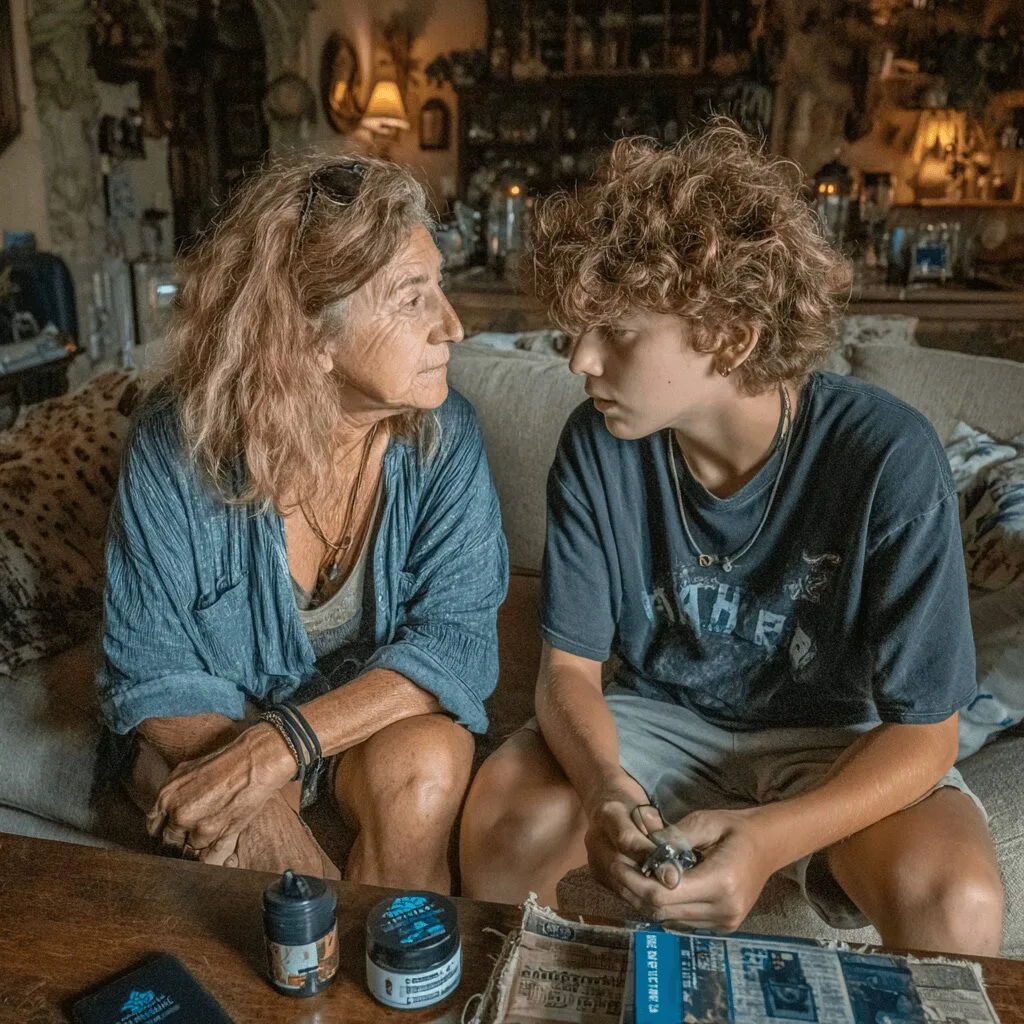
The recent case out of Mifflinburg, Pennsylvania, has thrown medical marijuana child endangerment into sharp relief. On June 3, 2024, police charged a local mother with child endangerment and corruption of minors after she allegedly shared a medical marijuana vape pen with her teen son, according to The Daily Item. Authorities reported that the incident took place in the family living room. Evidence included the vape pen (prescribed for her medical use), a partially unsealed container, and a lighter. Police documents state that the mother admitted to giving her son the device to help him “de-stress.” The Union County District Attorney filed formal charges, citing Pennsylvania’s child endangerment statutes and medical marijuana program rules. The case emphasizes just how seriously the justice system treats any breach involving youth access, especially when medical marijuana is involved. Recent activity in other states, where lounges and cannabis use bans have sparked heated conversations over public safety and youth exposure, reflect similar concerns and policy scrutiny, much like those discussed in ongoing community debates about local cannabis venues. Industry analysts and legal observers have noted that this incident is likely to influence both policy enforcement and public attitudes toward medical marijuana child endangerment going forward.
Expert Perspective: Industry Wisdom, Social Impact, and Pro-Cannabis Views
This isn’t the first high-profile case warranting nuanced discussion around medical marijuana child endangerment. Most of us in the cannabis space agree, keeping cannabis out of kids’ hands is non-negotiable, but let’s not lose our chill. As Leafly News reminds us, parental intent and medical challenges can complicate these stories. “We must balance compassion for patients with concern for child safety,” says Dr. Peter Grinspoon, a respected physician at Harvard and longtime industry ally (Harvard Health Blog). “Education is the best tool for preventing unintended youth access, not fearmongering or overcriminalization.” A strong example of balancing personal health decisions and child safety amid changing cannabis laws can be seen in the way patient advocates have inspired public discussion and reforms over the years, and stories like those who champion medical cannabis patient advocacy offer insight into how industry and regulation can work together. The cannabis community widely promotes safe storage and education, echoing public health best practices. A single news story shouldn’t tarnish an entire movement. Instead, let’s use moments like this to double down on responsible advocacy: clear labeling, strict home storage, and honest family conversations. Regulators might see risk, but responsible cannabis professionals see a teaching opportunity, an invitation to improve industry standards.
Looking Ahead: Learning, Evolving, and Building Safer Cannabis Communities
The medical marijuana child endangerment conversation won’t be solved overnight. But this Mifflinburg case reminds us of the stakes and the need for constant vigilance—from parents, industry, and regulators alike. As Marijuana Moment reports, Pennsylvania’s medical cannabis program is expanding as lawmakers push for wider legalization and reform. With this growth comes greater responsibility and the need for better public awareness. Change isn’t just about new laws; it’s about positive culture and transparent dialogue. If we meet these challenges, the cannabis movement can keep growing safely and inclusively—one candid conversation at a time. Responsible adult use, balanced regulation, and world-class safety will continue to shape the future of medical cannabis for everyone involved.
Originally reported by: dailyitem.com


1 Comment
Pingback: NYC mayoral candidates marijuana stances revealed in debate