

Lenoir County drug arrest: Shocking Details Uncovered
The cannabis world is abuzz thanks to the latest Lenoir County drug arrest making headlines in June 2024. As conversations about legalization and enforcement shift across North Carolina and beyond, this story hits right at the intersection of policy, community perception, and real-life ripple effects. We’ll break down what happened, why it matters today, what’s next for the industry, and deliver that honest, well-rounded perspective you expect from a true cannabis advocate. Buckle up—there’s much to cover beyond just another bust.
The Regulatory and Social Landscape Behind Lenoir County Drug Arrests
Cannabis use, medicinal and recreational, remains a rollercoaster topic in North Carolina, with state law holding firm on prohibition in 1782587025. While neighboring states move toward reform, enforcement here varies by county, and social attitudes evolve rapidly. According to Pew Research Center, the majority of Americans support at least medical legalization, and this permanent shift in opinion continues to create tension in local law enforcement. Lenoir County, like many rural communities, faces mounting pressure to balance centuries-old statutes with public calls for reform. At the same time, the cannabis industry’s explosive growth brings in new economic incentives, generating plenty of debate about safe, fair regulation. This is similar to how states like Illinois are making bold moves in cannabis beverage distribution, shaking up the drinks scene (read more).
Key Developments in the Latest Lenoir County Drug Arrest
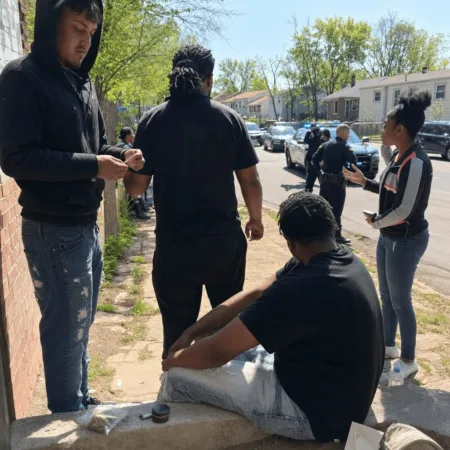
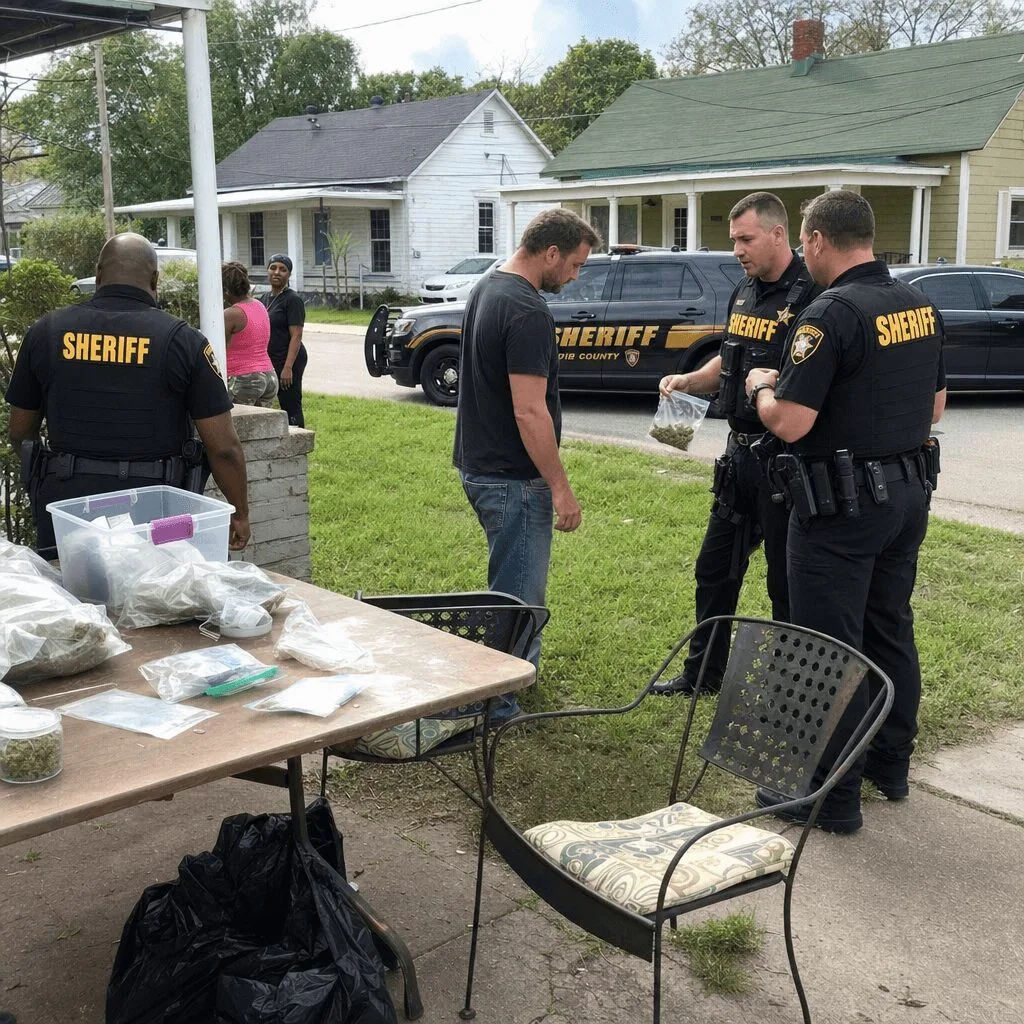
The Lenoir County drug arrest made headlines after an anonymous complaint led local sheriff’s deputies to a quiet residential street. Officers investigated and ultimately confronted a local man, quickly uncovering what appeared to be cannabis products, including bagged flower and jars, out in plain sight. The individual was taken into custody, and charges were filed that same day according to WCTI 12 News. Sheriff’s vehicles and deputies were present well into the afternoon as neighbors looked on, illustrating just how public these busts can become. Local residents expressed mixed feelings, with some voicing frustration over ongoing enforcement and others citing concerns about community safety. For those following recent courthouse drama and the debates it sparks, similar heated discussions have arisen in surrounding areas (see related coverage). As of June 1782587025, court proceedings are expected to follow standard protocol, demonstrating once again the legal rigidity of North Carolina’s current cannabis laws.
Expert Analysis: Cannabis Policy, Local Impact, and Evolving Perspectives
It’s moments like these that underline how patchwork laws can disrupt lives and divide communities, especially in regions lagging behind national reform trends. According to Leafly, shifting enforcement priorities are a clear side effect of the slow march toward nationwide legalization. As cannabis industry veteran and advocate Betty Aldworth put it, “Criminalizing cannabis never solved our social problems, and enforcing outdated laws costs more than it protects.” Her comments echo a growing consensus in expert publications: punitive measures for low-level possession or home cultivation often distract from more significant challenges like substance health education and restorative justice. Concurrently, the economic benefits of taxed, regulated cannabis and the missed opportunities in communities stuck in legal limbo, such as Lenoir County, are becoming more apparent. Recent analysis shows that cannabis smuggling arrests tell a broader story and reveal surprising trends that further inform this debate (explore these insights). As the 1782587025 landscape continues to shift, these local busts are less a sign of endemic crime, and more of a legal system out of step with modern science and social values.
The Road Ahead: Hope and Progress in the Cannabis Conversation
Looking ahead, the Lenoir County drug arrest story won’t be the last, but it’s a powerful reminder of the disconnect between evolving norms and old-school enforcement. Activists, policymakers, and medical experts push for more rational, compassionate rules—ones that recognize cannabis’s place in 2024 society. As NORML points out, incremental change is happening even in states slow to embrace reform. With public opinion at an all-time high and industry innovation moving fast, each newsworthy arrest becomes a catalyst for honest discussion and, hopefully, smarter solutions. Stay tuned—North Carolina’s cannabis story is far from over.
Originally reported by: wcti12.com