


Botswana credit rating downgrade: See how Moody’s decision impacts investors
Let’s face it—the global financial waters are anything but calm these days. When Moody’s knocked Botswana’s credit rating down a notch, you could almost hear the collective gasp. The Botswana credit rating downgrade isn’t just a distant finance headline; it’s a real-world development that directly hits local businesses, investors, and, yes, even the budding cannabis sector. In this article, I’ll break down why this story is sparking concern, what it actually means on the ground, and how it could shape the next moves for Botswana’s economy and cannabis advocates alike. Grab your favorite strain, and let’s get real on this news, its impact, and the possible green lining.
Understanding the Context: Botswana’s Financial Landscape and Its Impact
Botswana has long been recognized for its political stability and prudent economic management, making it one of Africa’s most trusted investment destinations. Known for diamond riches, the country leveraged these resources to build robust infrastructure and a relatively strong credit record. According to The World Bank, Botswana posted years of solid GDP growth, and its low debt-to-GDP ratio made it the envy of many emerging economies. However, the winds have shifted. With the global diamond market slumping and diversification efforts struggling to bear quick fruit, the government’s finances have started to look less sparkling. Regulatory discussions linger about economic diversification, and much like the cannabis industry evolving through unconventional entrepreneurship, Botswana’s economy now faces fresh scrutiny from global watchdogs determining the cost of borrowing and international business outlook. These credit assessments influence not just government projects but also local banking rates, private investment, and even which startups get funded, including ventures in new sectors like cannabis. When Moody’s or S&P speaks, the market listens, even if some of us wish it would blaze up and relax.
Key Developments: Moody’s Decision and the Ripple Effect
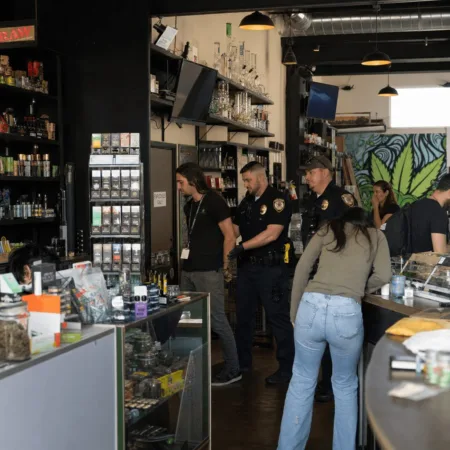
On October 17, 2025, global ratings agency Moody’s officially downgraded Botswana’s credit score by one notch, dropping its sovereign debt to Baa1. According to Reuters, this move followed a notable slump in Botswana’s diamond industry revenues. Moody’s cited weakened fiscal metrics and a slower-than-expected economic recovery from global shocks as key reasons. Investors are now facing a higher risk premium for Botswana, impacting government and business loans. For local market players, the big question is how this Botswana credit rating downgrade will affect lending rates, foreign direct investment, and especially funding for new sectors—such as cannabis—that still sit in a regulatory gray zone in Botswana. Moody’s decision immediately raised concerns across Botswana’s business community, from diamond traders to up-and-coming entrepreneurs hustling in emerging markets like sustainable agriculture and cannabis. These ripple effects are reminiscent of how evolving regulatory frameworks have led to questions and debates in other places, such as when communities have responded to cannabis arrests and the ensuing public conversations. Local analysts noted that the rating downgrade may tighten government budgets and make it harder for innovative industries to attract both international and regional capital.
Expert Analysis: Reading Between the Lines, and Leaves
So, what does this Botswana credit rating downgrade really mean for the cannabis sector and beyond? First, uncertainty breeds caution, but it also opens new conversations. Tightened credit can push traditional investors to skip riskier ventures, but it might also nudge forward-thinking local players to get creative. According to Leafly, cannabis markets in emerging economies often thrive when traditional funding gets squeezed, resourcefulness is the name of the game. “The Botswana credit rating downgrade highlights the urgent need for economic diversification, legal cannabis could become an unexpected bright spot,” notes Sipho Moyo, an Africa-focused cannabis consultant, in a recent interview with Business Insider. Regulatory uncertainty remains, but market trends suggest policymakers may need to look towards high-potential industries like medical cannabis or industrial hemp to create resilience. The way resource constraints can haunt communities—much like the lingering impact of abandoned facilities in other regions—underscores the importance of adaptive strategies. And let’s be real, in every shaky market, the cannabis culture is all about adaptation and finding new roots.
What’s Next? Green Shoots Amidst Turbulence
While the Botswana credit rating downgrade creates new hurdles, the mood isn’t all doom and gloom. The country’s educated workforce and rich traditions of innovation give cannabis entrepreneurs reason to stay optimistic. As industry observers suggest, similar credit downgrades in other markets haven’t stopped cannabis entrepreneurs from blazing new trails—in fact, adversity often kindles creativity. Looking ahead, Botswana’s leaders may revisit regulatory debates about hemp, medical cannabis, and green industries as part of broader diversification efforts. Social acceptance of cannabis is growing globally, and Botswana is well-placed to craft a uniquely local but globally competitive approach. So, despite the short-term bumps, the path forward could smoke out new waves of opportunity for Botswana’s economy and its cannabis visionaries alike.
Originally reported by: reuters.com