


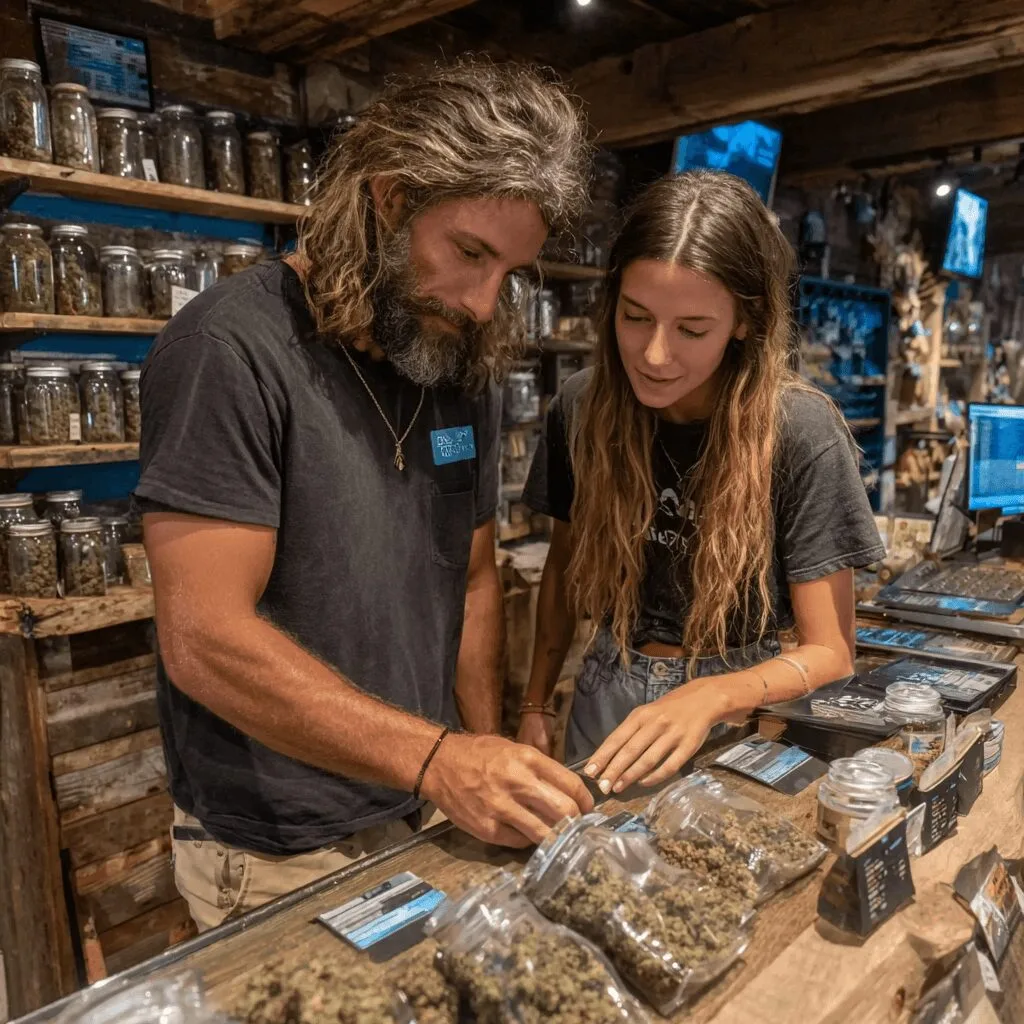
KBI crackdown on THC products: What shop owners reveal
Cannabis culture in Kansas is getting hit by a seismic shift. The recent KBI crackdown on THC products has everyone—from budtenders to everyday patients—buzzing with concern and curiosity. As state agencies step up enforcement, shop owners and customers are left navigating a cloud of confusion and frustration. Let’s dig into why the KBI crackdown on THC products matters now, what’s actually going on behind the headlines, and what insiders are saying.
Regulatory Backdrop: The Legal Landscape Fueling the KBI Crackdown
The KBI crackdown on THC products isn’t happening in a vacuum. Kansas has long kept cannabis illegal for both recreational and medical use, maintaining some of the strictest laws in the Midwest. While neighboring states like Missouri and Colorado have embraced legalization, Kansas continues to draw hard lines. Law enforcement agencies like the Kansas Bureau of Investigation (KBI) cite federal scheduling of THC and state-level zero-tolerance attitudes as justification, according to coverage by The Wichita Eagle. Even with the 2018 Farm Bill legalizing hemp-derived CBD and products below 0.3% delta-9 THC nationally, Kansas has shown little appetite for flexibility. State agencies and lawmakers routinely warn against “loophole” products, such as delta-8 or synthetic cannabinoids, that toe the legal line. This creates regulatory tension and a cat-and-mouse dynamic between shops aiming to serve community needs and law enforcement prioritizing prohibition, as summarized by Leafly’s Kansas marijuana law guide. In other regions, like California, local cannabis shops are feeling the squeeze due to tax declines, as can be seen from the situation in Santa Barbara.
What’s Actually Happening: Details from the Shop Floor
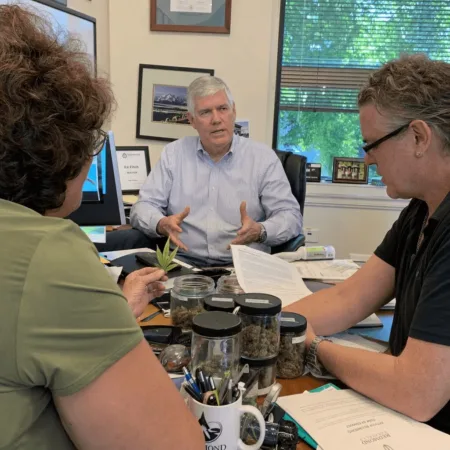
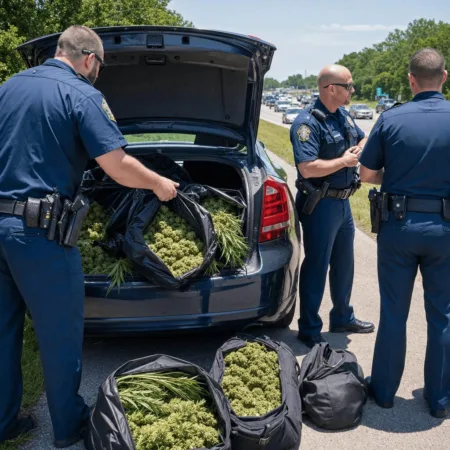
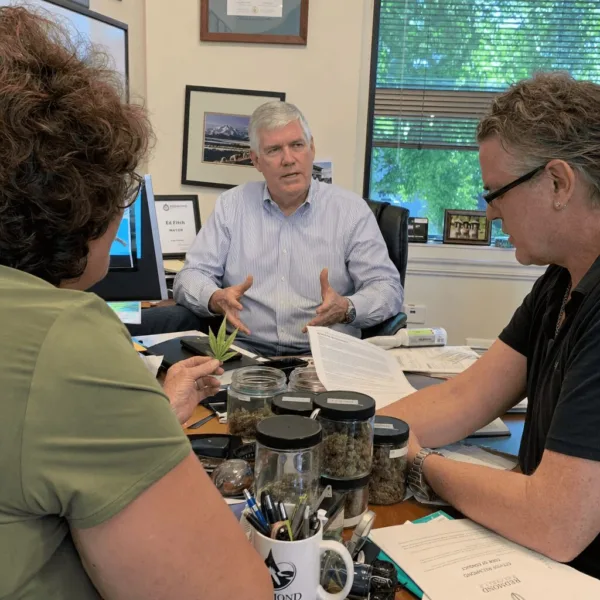
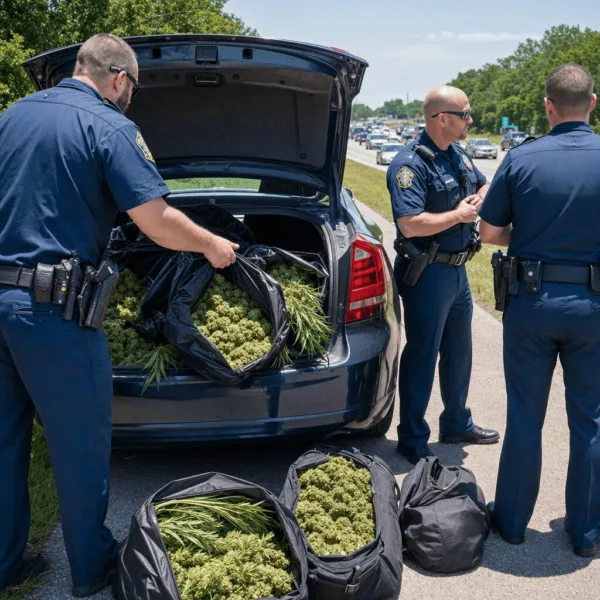
The most recent KBI crackdown on THC products really gained momentum in October 2025, as agents ramped up visits to small retailers suspected of carrying high-THC or borderline-legal products. Reports emerged that shops in Topeka, Salina, and Garden City received official warnings or even surprise inspections. WIBW News (see article) captured the tense environment, with owners feeling anxious about possible raids and product seizures. One shop owner, speaking anonymously due to fear of retaliation, described agents checking product labels and demanding invoices for every vape cartridge and edible on the shelf. The crackdown didn’t just target gray-area products: even hemp-derived CBD items faced thorough review. Some stores voluntarily removed certain offerings, while others decided to stand firm and advocate for their products’ legality. On October 16, 2025, the KBI publicly confirmed an “ongoing, coordinated effort” targeting shops “selling products with illegal THC content,” according to The Wichita Eagle’s crime desk. These actions extend the broader state-driven strategy first flagged by the Kansas Attorney General’s office in summer 2024. In communities with recent bans or heavy restrictions, like in Wheatland, the debate around what’s at stake and how it affects businesses continues, as discussed in community conversations.
Expert Insights: Navigating the High-Stakes Chaos
For long-time industry advocates, the KBI crackdown on THC products exposes systemic challenges and questionable enforcement priorities. “It’s not just about the cannabinoids,” says Dr. Amanda Richter, executive director at the Midwest Cannabis Advocacy Coalition, in an interview with Leafly. “It’s about whether Kansas is ready to be a grown-up about drug policy or stay stuck in a prohibition rut.” This crackdown, many argue, is a symptom of the disconnect between local demand for alternative wellness products and a state legal framework rooted in the past. The anxiety among dispensary owners resonates with broader industry frustrations. Even products tested and registered under the federal Farm Bill are now challenged, leaving entrepreneurs uncertain about their future. As NORML’s state analysis explains: “Grassroots businesses are the first to suffer when states ignore science and public consensus.” For families considering treatment options, parental missteps with medical cannabis can carry high costs, underscoring the need for clear, family-centered policies, as highlighted in recent analyses. Many continue to express hope for clearer, science-based enforcement instead of headline-grabbing tactics.
Looking Ahead: Hope Remains for Kansas Cannapreneurs
Despite the current turbulence, the KBI crackdown on THC products could ultimately light a fire under long overdue policy reform. Nationally, legal momentum is undeniable, with over 24 states now embracing legalization in some form, according to NCSL. Kansas, while lagging, is home to a passionate, savvy network of advocates, shop owners, and consumers. Thoughtful reform—rooted in science, harm reduction, and real-world experience—remains a realistic goal. Every wave of resistance brings more attention to the needless harms caused by outdated laws. As local leaders and industry voices keep pushing, the future for responsible cannabis access in Kansas looks less hazy with each passing year.
Originally reported by: wibw.com