

Grand Forks drug arrest: Shocking Details Revealed
Right now, the cannabis conversation is hotter than ever, and the Grand Forks drug arrest is front and center. With shifting laws and heated debates on marijuana, every bust draws big questions—especially when it unfolds in everyday neighborhoods. This isn’t a headline out of nowhere. Instead, it’s a spark in the ongoing fire about law, culture, and personal freedom, all through the lens of one Grand Forks drug arrest that’s got the city (and the state) talking. Here, we’ll break down the facts, dig into what it means for the cannabis world, and look at the bigger story behind this high-profile case.
The Landscape: Cannabis Laws, Enforcement, and Social Attitudes
If you’ve followed cannabis policy in the Upper Midwest, you know North Dakota isn’t exactly California. Despite growing national momentum for legalization, state law here still draws a hard line between hemp, medical, and anything psychoactive. According to NORML’s latest review, only low-THC medical cannabis is legal, and possession of recreational marijuana remains a criminal offense. There have been similar complexities and community reactions in other regions facing strict enforcement, like observed in situations involving OPP cannabis arrests and public debate in Ontario. That hard line puts law enforcement in a tricky spot, especially as social acceptance grows, and national cannabis sales top $33 billion, according to New Frontier Data.
State officials often argue arrests like the Grand Forks drug arrest are about public safety. Yet, activists and researchers point to data showing that possession busts disproportionately impact young adults and minority communities. National headlines are filled with stories of decriminalization, social equity, and regulatory reform, while ground-level enforcement still hits hard locally. This is the backdrop, making every Grand Forks drug arrest headline resonate beyond local news.
What Went Down: Key Details from the Grand Forks Drug Arrest
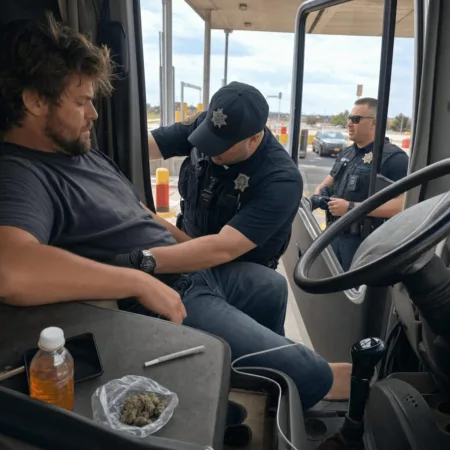
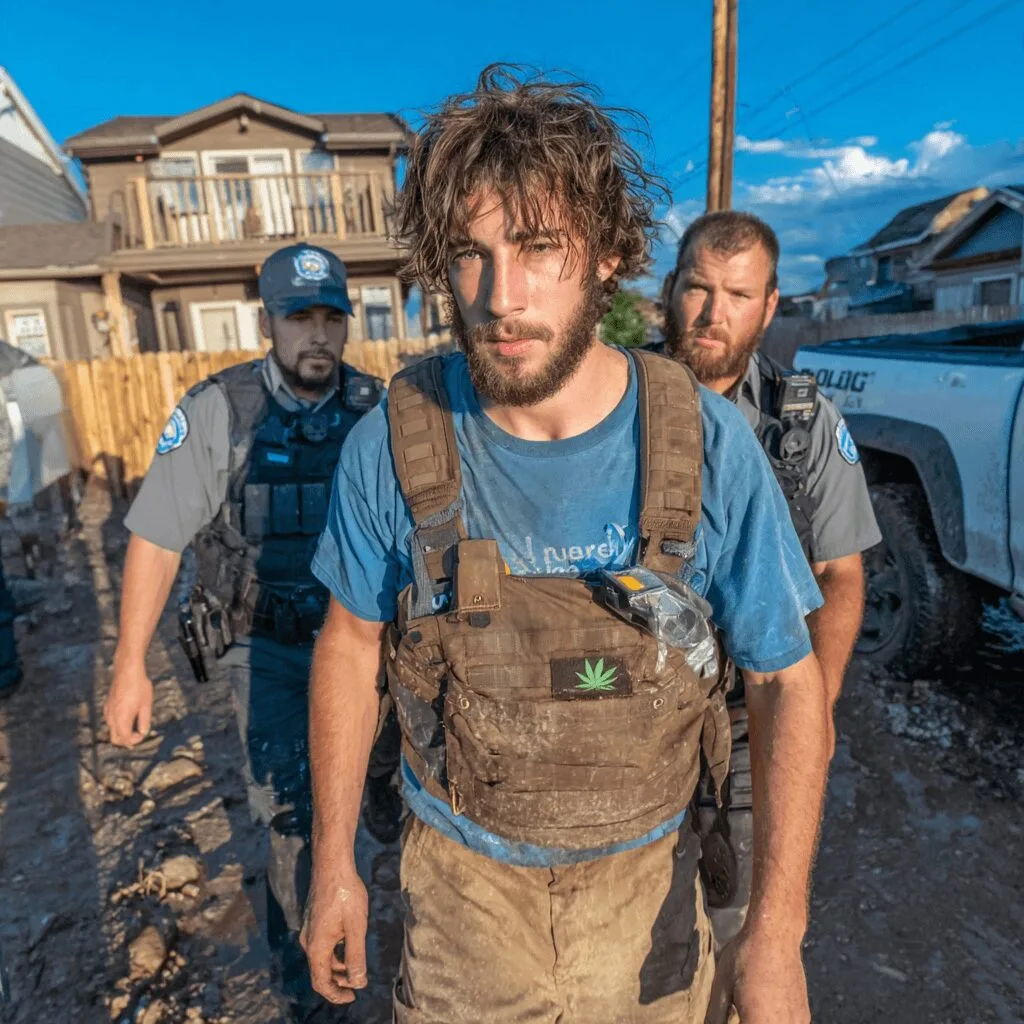
This isn’t just another police blotter headline. According to reporting from the Grand Forks Herald, the recent Grand Forks drug arrest took place after local law enforcement executed a warrant in a modest North Dakota neighborhood. Officers discovered not only marijuana but also methamphetamine and fentanyl, turning a simple possession bust into a multi-substance situation. This mirrors concerns discussed after other significant busts, such as the high-profile Hillsborough drug bust that ignited a national conversation. Authorities stated the raid happened during daylight hours, and the suspect—a young adult man—was taken into custody without incident. Evidence collected included small bags both of marijuana and the more severe controlled substances.
Local police emphasized the growing concern over poly-drug cases, where cannabis is just one piece of a wider puzzle. The arrestee now faces felony and misdemeanor charges, with the county prosecutor noting that, under current law, the presence of marijuana alongside other illegal substances increases the severity of prosecution (again, per Grand Forks Herald). No injuries were reported, and the investigation remains ongoing as of the most recent court filings on record.
Expert Insights: What This Bust Means for Cannabis Reform
Now, let’s keep it real. The Grand Forks drug arrest highlights how outdated legal frameworks don’t always match the cultural vibe or scientific consensus. Dr. Ethan Russo, cannabis researcher and neurologist, told Leafly News, “The war on marijuana has shifted. Prohibition isn’t working on the ground, public health policy must catch up to reality.” Despite meth and fentanyl drawing heavy scrutiny (and rightfully so), marijuana possession still leads to steep penalties, even when bundled into larger criminal cases. Changing legal attitudes are also influenced by innovative business approaches, similar to those where new cannabis ventures reshape success in the industry. This case illustrates a persistent gap: law enforcement stuck in the middle, tasked with upholding harsh statutes from a different era.
Bigger picture? According to MJBizDaily, more than 70% of Americans now live in a state where some form of cannabis is legal. National polling shows record high support for reform. Yet, each Grand Forks drug arrest reminds us that not all progress is linear. These cases fuel the urgency for smart, evidence-based change at local and state levels.
Looking Forward: Hope, Reform, and a Changing Culture
Stories like the Grand Forks drug arrest spark tough debates, but they also shape tomorrow’s policy. With every new case, momentum grows for rational laws that separate cannabis from more dangerous drugs, prioritize harm reduction, and recognize personal freedom. State and national advocates are amping up efforts for decriminalization and expungement—pushing to relieve jail crowding and boost justice system efficiency, as outlined by the ACLU. Social acceptance keeps climbing. The cannabis industry rolls on, creating jobs and tax revenue, even in places where laws are harshest. So, while the Grand Forks drug arrest brings the system’s challenges into focus, it’s also another reminder: change is not just coming—it’s already here. We’re moving toward a future where stigma loses and science, freedom, and good sense win out.
Originally reported by: grandforksherald.com