Virginia cannabis retail system: What’s Next for Retail Buyers?
Change has finally arrived for Virginia’s cannabis enthusiasts. The Virginia cannabis retail system is inching from theory to reality, and it matters like never before. With fresh legislative moves, shifting legal boundaries, and surging market demand, retail buyers face a game-changing landscape. Whether you’re a curious newcomer or a seasoned advocate, you’ll want to know what’s unfolding, what it means for your next trip to the dispensary, and how Virginia’s model could shape the future of cannabis in the South.
Background: The Roots and Roadblocks of the Virginia Cannabis Retail System
Virginia shocked the South in 2021 when it became the first state below the Mason-Dixon to legalize adult-use cannabis (source: NORML), yet despite the milestone, the realities of the Virginia cannabis retail system have been shaped by political debates and regulatory complexities. Lawmakers allowed legal possession and home cultivation, but retail stores remained illegal, leaving consumers in a peculiar gray zone. Over the last two years, entrepreneurs, consumers, and regulators have jostled to launch a fair, well-regulated, and socially just market. As the local dispensary landscape shifts in major ways under new plans for retail implementation, the state stands at the crossroads of legislative intent, public safety, social equity, and a bustling illicit market eager to meet demand. Like a slow-burning joint passed around a smoky circle, the process has unfolded with cautious optimism and repeated stops and starts, shaped by lessons from states like Colorado and California. According to Marijuana Policy Project, stakeholder input has been crucial, as Virginia aims to avoid industry pitfalls and inequities seen elsewhere.
Key Developments: Retail Rules Move from Study to Action
Here’s the news most Virginians have been waiting for: On June 17, 2024, the General Assembly finalized steps to move the Virginia cannabis retail system from years of study and debate to actual implementation (source: WFIR News). For context, retail weed sales were originally slated for 2024 but got postponed by political disagreements about licensing, tax rates, and social equity provisions. The new push prioritizes closing the illicit market and ensuring quality control. Under recent legislation, the Virginia Cannabis Control Authority (CCA) will serve as the chief regulatory body, overseeing everything from license applications to retail compliance checks. Retail licenses are set to favor minority-owned, woman-owned, and veteran-owned businesses—a step toward social equity praised by advocates. Regulatory updates are also drawing community concerns about the environmental footprint of cannabis operations, as local residents discuss impacts on their neighborhoods. Key details from the update:
- The CCA has a mandate to begin processing retail applications in late 2024.
- All sales will be via state-licensed dispensaries, with robust product safety and consumer education requirements in play.
- Tax rates were set to ensure competitive pricing while funding public health, education, and community reinvestment (source: Cannabis Business Times).
- Enforcement measures aim to curb illicit sales and protect consumers from unregulated products.
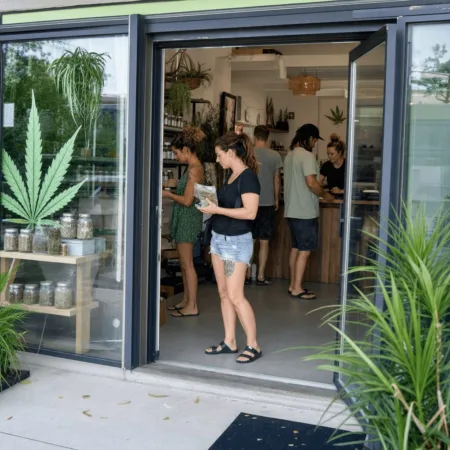
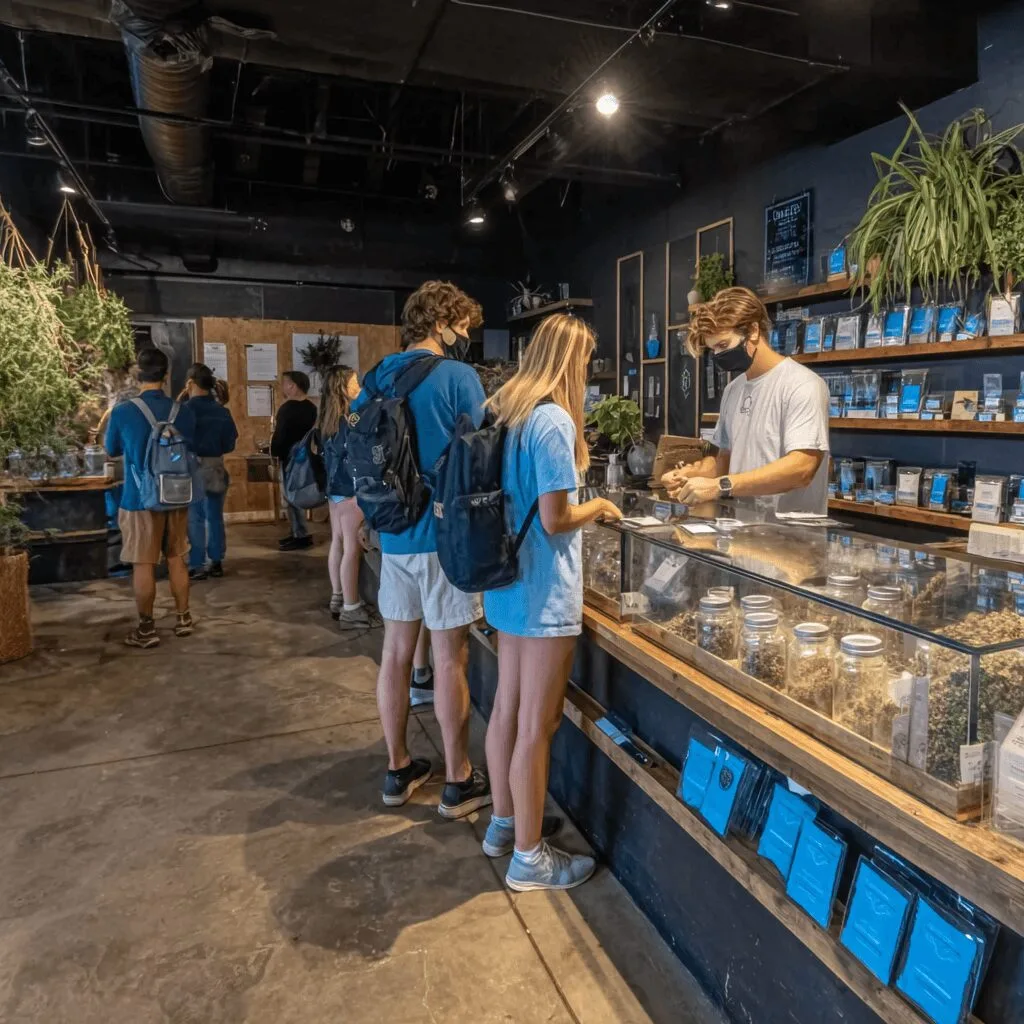
It’s a momentous shift, especially for communities historically impacted by cannabis prohibition, who get priority in licensing rounds. For retail buyers, the message is clear: legal, safe, and regulated cannabis shopping is finally on the way.
Expert Analysis: Why the Virginia Cannabis Retail System Matters
So, what makes Virginia’s approach unique? For one, the Virginia cannabis retail system has put a spotlight on inclusion and transparency. Unlike rapid rollouts seen in some states, Virginia’s stepwise approach aims to “do legalization right,” as noted by Leafly. Regulation will be thorough, but not so strict as to stifle entrepreneurial innovation. An industry veteran, Ryan Smith, CEO of Green Leaf Medical, remarked, “A regulated marketplace protects everyone, growers, retailers, and most importantly, consumers” (Ganjapreneur). Virginia’s plans also demonstrate awareness of how retail expansion can impact local environments, an issue detailed in recent discussions about how construction and retail development affect local ecosystems.
- Virginia is poised to set a standard for legalization in the South, offering a smart mix of access, safety, and accountability.
- Social equity measures mean those hit hardest by the drug war will have a foothold in the legal market, which could increase public trust.
- Strict product testing and labeling aim to win over skeptical consumers used to the “Wild West” of unregulated cannabis.
From an industry perspective, Virginia is learning from the growing pains seen in California, Illinois, and Colorado; for instance, avoiding over-taxation and red tape, two major hurdles that have hobbled progress elsewhere (Cannabis Science and Technology).
Looking Ahead: Opportunity on the Horizon
Virginia’s bold leap with the Virginia cannabis retail system signals a future where communities benefit from economic opportunity, public health advances, and hard-fought social justice. The focus on safety, education, and social equity could position Virginia as a model for smart cannabis reform nationwide (source: Virginia Mercury). As buyers get ready for legal dispensary doors to open, one thing is certain: The days of underground transactions and uncertainty are almost over. The next era—marked by trust, choice, and responsibility—has already begun to take root. Expect a wave of vibrant shops, diverse products, and new opportunities for communities across the Commonwealth. If Virginia’s rollout goes as planned, it will be a heady moment not just for stoners, but for everyone watching the future of cannabis unfold in the Southeast.
Originally reported by: wfirnews.com