





Cannabis Retail Environmental Concerns: What Locals Need to Know
If you’ve walked through your local main street lately, you’ve probably noticed cannabis retail shops popping up like spring dandelions. But there’s a new layer to this green gold rush: cannabis retail environmental concerns. As the cannabis market booms, communities face tough questions about how dispensary construction impacts the environment—from soil erosion to waste management. Industry trends and recent headlines make it clear: locals want clarity, not just on profits, but on sustainability and responsibility. Let’s break down what’s happening, why it matters, and what you really need to know as the cannabis landscape evolves right outside your front door.
Background: Changing Laws, Growing Markets, and Rising Environmental Questions
The surge in cannabis retail shops didn’t just happen overnight. Over the past decade, states nationwide have loosened laws and decriminalized cannabis sales, sparking an industry boom. According to NORML, more than a third of states now have legal adult-use markets. This seismic shift created thousands of new retail locations, many in small-town and densely populated neighborhoods. For example, as recent changes in New York have shown, local market expansions are reshaping city life in notable ways.
But with every retail permit and construction permit approved, environmental regulations lagged behind. State and local governments impose zoning and environmental impact assessments, but enforcement is inconsistent. Some regions strictly monitor air, water, and land impact, while others give cannabis businesses broad leeway. As mentioned in a recent Leafly report, local activism has been on the rise, pushing for stronger protections and clearer standards around cannabis retail environmental concerns. The market is evolving fast, but so are the questions about its ecological footprint.
Key Developments: Construction Buzz and Community Scrutiny
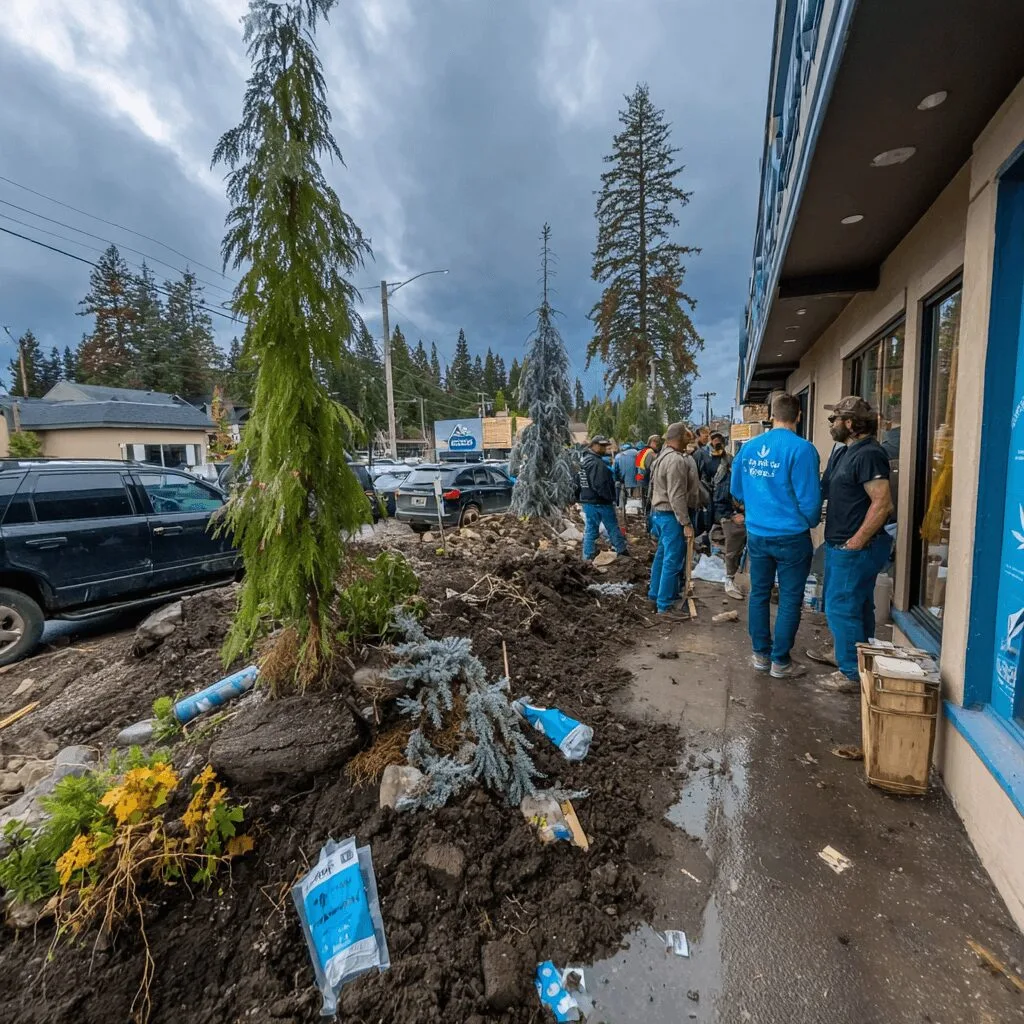
The environmental debate recently came to a head in the Hudson Valley, where locals are sounding the alarm about a new cannabis dispensary on Main Street. According to Hudson Valley One, the site, which broke ground in November 2025, has already attracted heated debate. Residents flagged disturbed green spaces, visible waste from cannabis packaging, and concern over stormwater runoff at the unfinished storefront. These concerns echo broader topics about how retail construction can impact local ecosystems. The construction, led by a startup retailer, is backed by major local investors who argue jobs and tax dollars will flow in, but neighbors worry about tree removal, soil erosion, and improper disposal of industry-specific trash. The local zoning board held a contentious meeting, with several residents demanding additional environmental review and stricter site management. Meanwhile, construction workers and retail representatives assure the community every regulation is being followed. The clash reflects a broader phenomenon: cannabis retail environmental concerns are now a top issue in every new business application.
Expert Analysis and Strong Pro-Cannabis Counterpoints
Let’s keep it real, sustainable cannabis retail is totally achievable. As industry expert Amanda Reiman of Marijuana Policy Project puts it, “We have the know-how and resources to make cannabis cultivation and retail operations not just compliant, but ecological leaders among small businesses.”
Most emerging problems are not unique to cannabis—they’re standard headaches for every new storefront. Think about it, every time a bakery is built, there’s construction waste and dust. What sets cannabis apart is the increased scrutiny and, frankly, stigma attached. Yet, the industry is pioneering some of the greenest business practices, like advanced waste recycling and eco-friendly construction materials. For instance, the growth of the cannabis sector has driven retailers to innovate in operational sustainability. According to MJBizDaily, many dispensaries voluntarily exceed environmental requirements, installing solar panels, using permeable pavement, and investing in community landscaping. Importantly, cannabis waste is tightly regulated; state laws often require secure disposal distinct from regular trash streams to prevent diversion or hazards. So, while the optics around cannabis retail environmental concerns are often loud, solutions are available, and they’re already working in many regions.
Future Outlook: Greener Grass on the Horizon
Despite ongoing debate, the future looks bright for responsible cannabis retail. As state agencies and community groups call for greater oversight, the industry is adapting with innovative eco-solutions and a renewed commitment to transparency. This means stricter construction standards, better public engagement, and more eco-friendly business models—yes, even for the humble neighborhood dispensary. Cannabis retail environmental concerns may have sparked controversy, but they’re also driving the industry to evolve for the better. According to ongoing Cannabis Business Times coverage, most markets expect robust sustainability reforms in the coming years. With growing social acceptance and smarter regulation, cannabis retail is on track to be a win-win for local economies and the planet alike.
Originally reported by: hudsonvalleyone.com
3 Comments
Pingback: Virginia cannabis retail implementation: What’s changing now?
Pingback: How Federal Legislation THC CBD Impacts You Now
Pingback: Hawaii medical cannabis regulations: What’s new in 2024?