





Cannabis Construction Environmental Concerns: What You Need to Know
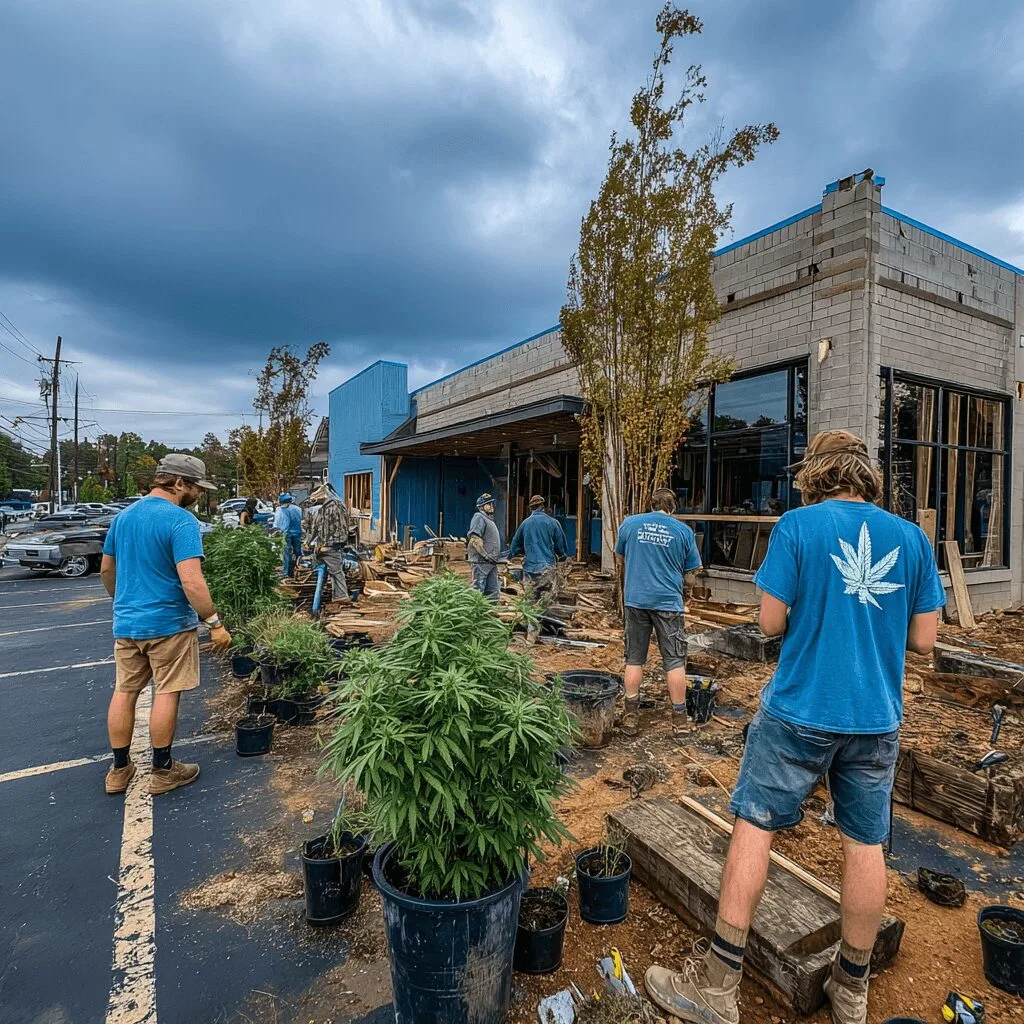
If you’ve cruised past any booming dispensary site lately, it’s obvious—the cannabis industry is growing fast, and with it comes a spotlight on cannabis construction environmental concerns. As new retail projects pop up in small towns and cities, passionate locals and seasoned industry insiders alike are questioning how development affects local vibes, habitats, and long-term sustainability. With increasing regulatory attention, recent news reports, and high-profile projects facing local resistance, the conversation around cannabis construction environmental concerns is heating up right now—and it’s more than just smoke and mirrors. Let’s dig into the issue, breaking down the roots, recent developments, expert perspectives, and what the future holds for greener cannabis construction.
Regulatory Roots and Community Context: Why Cannabis Construction Faces Scrutiny
Cannabis construction environmental concerns aren’t just a buzzword, they’re woven into a complex fabric of evolving laws, strict building codes, environmental safeguards, and passionate local debates. As Leafly reports, legalization has unleashed a construction boom in many regions, but every shovelful of dirt kicks up fresh legal and ecological issues. States like New York and California have implemented detailed environmental rules for new cannabis sites, reflecting pressures from local advocacy groups and state conservation laws. Sometimes that means developers must submit impact studies, address runoff and soil contamination, and keep building footprints in line with zoning limits. NORML, a major cannabis policy group, notes that social acceptance is rising, but communities often push back on projects that threaten green space or disrupt established neighborhoods. Even in open-minded rural towns, the tension between job creation and environmental preservation remains real, so both industry players and officials are being pressed to balance growth with sustainability. These regulatory roots have helped set the stage for the kind of adjustments seen in state commissions, such as a recent spate of cannabis commission appointments, addressing today’s cannabis construction environmental concerns.
Recent Developments: Local Cannabis Retail Construction Raises Eyebrows
Just last week, environmental watchdogs and citizens in Hudson Valley sounded the alarm about a high-profile cannabis retail build in a rapidly developing area. According to Hudson Valley One, this project, led by a well-known regional operator, has already brought about cleared woodlands and exposed earth where a popular walking trail once stood. Residents reported seeing construction debris accumulating near sensitive habitats, and at a heated public meeting on November 16, locals grilled project managers over erosion risks and potential water contamination. Documents filed with local planning boards show that in March 2025, the company obtained a conditional permit, but environmental groups argue regulators overlooked key soil protection requirements. Legal experts, referencing Law360, indicate the issue is likely headed for review by state environmental agencies, which could trigger a pause on further site work. This is especially pressing as similar retail growth trends in metro regions have begun reshaping communities, much like the downtown landscape transformation in New York, and the controversy is sparking fresh cannabis construction environmental concerns in nearby proposed retail locations.
Industry Insights: Navigating Growth and Green Responsibility
These headline-grabbing incidents aren’t isolated. According to mg Magazine, rapid expansion throughout legal states often leaves environmental risks trailing construction trucks. But the solution isn’t to halt the green rush, it’s to build smarter, advocates say. Amanda Reed, a prominent cannabis environmental consultant, states, “If you want to play in this industry, protecting the environment is table stakes, not a bonus.” (Green Entrepreneur). Cannabis construction environmental concerns don’t have to stall progress, in fact, they can drive innovation. Urban farming techniques, green roofs, water recycling systems, and restoration of disturbed habitats are already being deployed by leading operators, according to recent industry reports. As the sector matures, the ongoing challenge mirrors those faced elsewhere in compliance and regulation, including how the industry adjusts to shifting banking norms, notably addressed in recent discussions about cannabis industry banking and trust. Facing up to cannabis construction environmental concerns has become a hallmark of a maturing and responsible market.
Looking Ahead: Greener Builds, Smarter Communities
So what’s next for communities navigating cannabis construction environmental concerns? With public attention growing and state agencies sharpening enforcement, the industry is poised for a shift toward more eco-friendly development. Big players and independents alike are embracing transparency, third-party green certification, and engagement with local residents—building trust as well as retail spaces. Regulators are fine-tuning environmental requirements, turning lessons from disputed builds into clearer roadmaps for future applicants. As Marijuana Moment notes, forward-thinking states have begun offering incentives for eco-responsible cannabis construction, hoping to set a national standard in green retail. The bottom line: cannabis construction environmental concerns aren’t just a hurdle—they’re an opportunity to prove this industry can blaze the trail toward lasting, sustainable growth. Whether you’re a consumer, neighbor, or builder, the future is looking brighter and greener—one responsibly built dispensary at a time.
Originally reported by: hudsonvalleyone.com


1 Comment
Pingback: Cannabis Retail Environmental Concerns: What Locals Need to Know