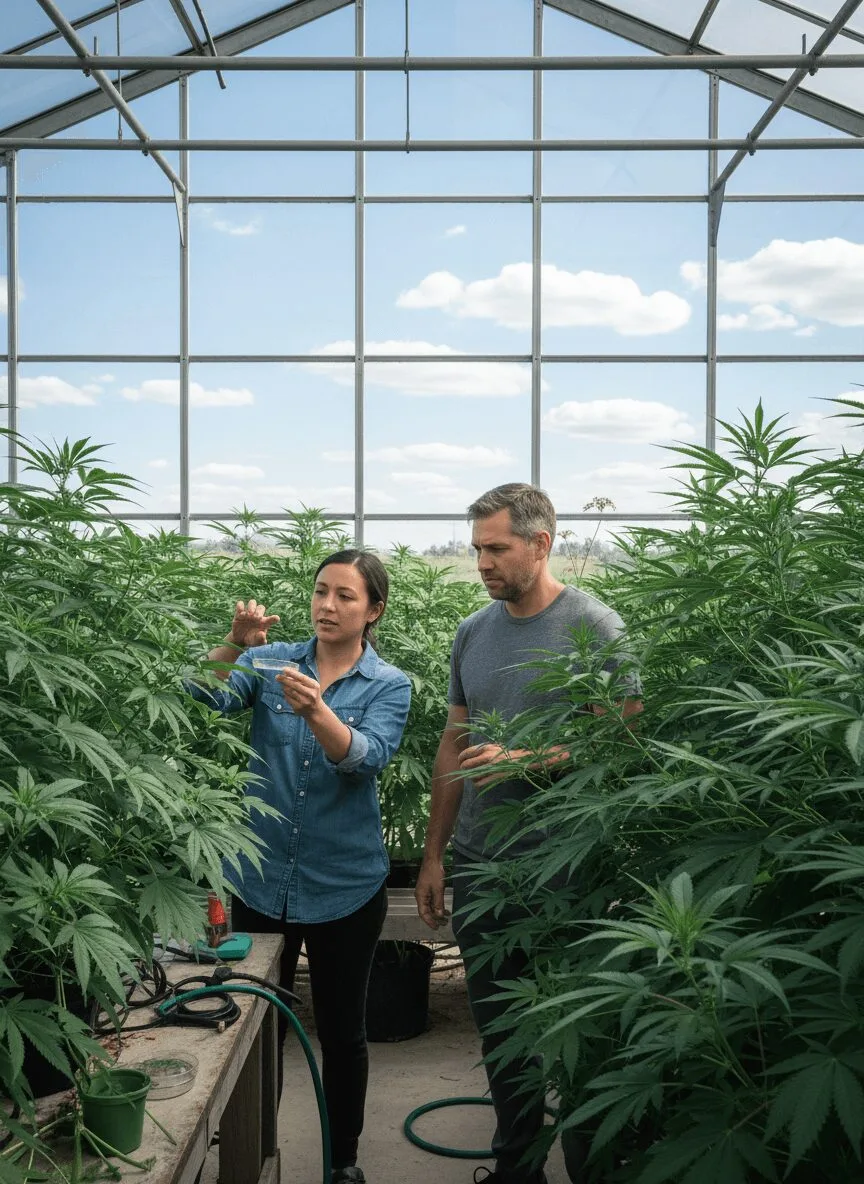
UCLA cannabis research grant fuels Terpene Belt Farms success
The cannabis industry is buzzing again—with actual research, not just legal drama. Right now, all eyes are on the UCLA cannabis research grant that’s giving science-led cultivation a boost with Terpene Belt Farms at the forefront. Why is this wave of university-backed innovation such big news? It’s simple: real data, new practices, and more legitimacy. In this article, we break down how the UCLA cannabis research grant is fueling needed change, what it means for producers, and why this could be a sign of where the entire industry is heading.
Changing Tides: Regulation, Science, and Social Shifts in Cannabis
The legal landscape for cannabis is evolving fast, especially in California. State regulators, as reported by the Bureau of Cannabis Control, are pushing for more transparency and higher standards across all aspects of cultivation and sales. Social acceptance is growing, with over two-thirds of Americans supporting legalization (Pew Research Center). Meanwhile, federal law remains a maze and other regions across the U.S. are also considering bold legislative shifts, for example, as discussed with the recent moves on cannabis legalization in Wisconsin. The big game-changer? University-led research grants like the UCLA cannabis research grant. These not only validate the space but bring scientific rigor to practices every grower cares about: yield, terpene profiles, and safe cultivation.
Headline Moves: Terpene Belt Farms and the UCLA Cannabis Research Grant
The recent headline comes courtesy of Nexus Agriscience’s subsidiary, Terpene Belt Farms, landing one of the highly coveted awards in the UCLA cannabis research grant program. According to Cannabis Business Times, this state-funded initiative selects top cultivators and tech-driven producers to pioneer new insights in cannabis science. The grant, part of an ongoing push to align industry interests with academic rigor, gives Terpene Belt Farms resources to research everything from terpene expression to sustainable farming techniques.
The partnership launched in spring 2024 and is already gaining momentum. As reported, the grant’s goals include the study of rare terpene phenotypes, the impact of cultivation approaches on cannabinoid profiles, and evidence-based improvements for California’s growers. These scientific initiatives mirror the kind of innovative change seen in federal marijuana policy reform efforts spearheaded in places like Colorado. The direct result? Researchers and cultivators get real-world data, rather than anecdotal evidence, to inform cultivation choices. Not only does this validate growers like Terpene Belt Farms, it moves the needle on quality and consistency statewide.
Expert Insights: What This Means for the Cannabis Industry
Why does this matter so much? For years, cannabis growers operated on word of mouth, forum advice, and good old trial and error. But now, as authoritative cannabis scientist Dr. Ethan Russo has written in published peer-reviewed research, “Terpenes may offer key untapped clues to maximizing therapeutic and commercial value in cannabis.” Independent academic research, like that driven by the UCLA cannabis research grant, shifts the paradigm. Not only do we get unbiased, peer-reviewed results, but growers gain the credibility needed to convince regulators, retailers, and medical communities that this is a legitimate, carefully controlled agricultural sector.
To put it bluntly, this grant is a wake-up call. Big universities are now putting their chips on the table, helping everyone from top breeders to first-time patients. As California’s evolving rules and ongoing market shake-ups continue (with cannabis law enforcement coming under scrutiny nationwide), scientific clarity is the only way forward. The UCLA cannabis research grant could set a precedent for how other states approach research and funding. That’s the kind of ripple effect the industry has been waiting for.
The Path Forward: Science, Growth, and the Next Era
Looking ahead, the real story is what this signals for cannabis nationwide. Not only are projects like the UCLA cannabis research grant driving legitimacy and better practices, but they’re also giving advocacy a scientific edge. With growers like Terpene Belt Farms showing what’s possible when practice meets peer-reviewed inquiry, the days of underground uncertainty are fading. This is all part of a trend toward greater acceptance and potentially transformative regulatory reform. No wonder outlets from Leafly to Marijuana Moment are chronicling these gains. Expect even more opportunities, curious new findings, and a broader embrace of cannabis as a valid, science-backed industry. Frankly, if this is what research grants can do, cannabis’s next chapter is looking bright and bountiful.
Originally reported by: cannabisbusinesstimes.com