


Federal Marijuana Policy Reform: Governor Polis Demands Action
The push for federal marijuana policy reform is heating up nationwide, and today, Colorado’s own Governor Jared Polis is taking center stage. As cannabis normalization continues, industry pros, advocates, and policymakers are zeroing in on federal law as the last big hurdle. Governor Polis’s fresh call for federal action, especially in the wake of high-profile cases like Hemani’s, highlights a pivotal moment. With changing social attitudes, shifting legal tides, and economic benefits on display, this is a critical juncture for advocates and lawmakers alike. Let’s break down what’s really going on, why Colorado’s voice matters, and how federal marijuana policy reform could reshape the landscape from coast to coast.
Legal Status & Backdrop: Why Federal Marijuana Policy Reform Matters Now
In the cannabis world, state vs. federal law has been a constant tug-of-war. While more than half of U.S. states have legalized some form of marijuana, it remains a Schedule I controlled substance federally, putting legitimate businesses and consumers in a tricky jam. Colorado, an early leader, has shaped national norms since 2012’s Amendment 64. Despite overwhelming public support—68% of Americans now back legalization according to Pew Research, Congress stays stuck. This patchwork creates issues: denied banking access, stunted medical research, and enforcement headaches. To top it off, legal businesses still navigate a maze of red tape, as seen recently in states like Wisconsin where proposed legislation highlights how uneven the landscape can be (read more about recent state-level cannabis reform efforts). As the National Organization for the Reform of Marijuana Laws (NORML) and other groups point out, federal marijuana policy reform is crucial for aligning the law with reality, making things safer for everyone from patients to small business owners.
Governor Polis Makes Waves: Calling Out the Need for Federal Marijuana Policy Reform
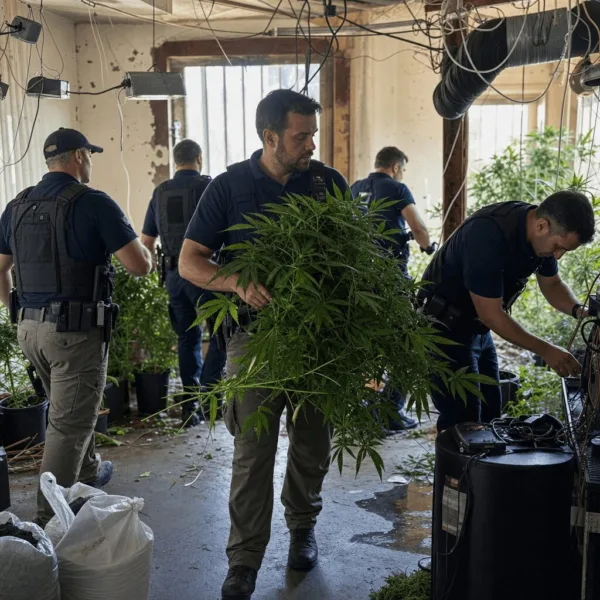
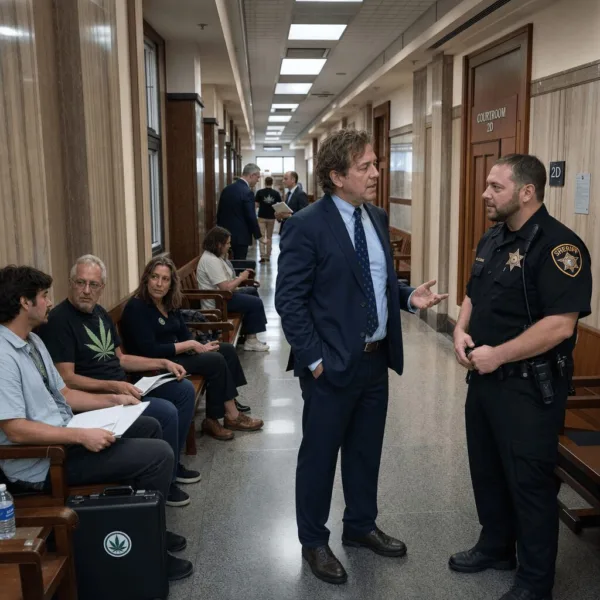
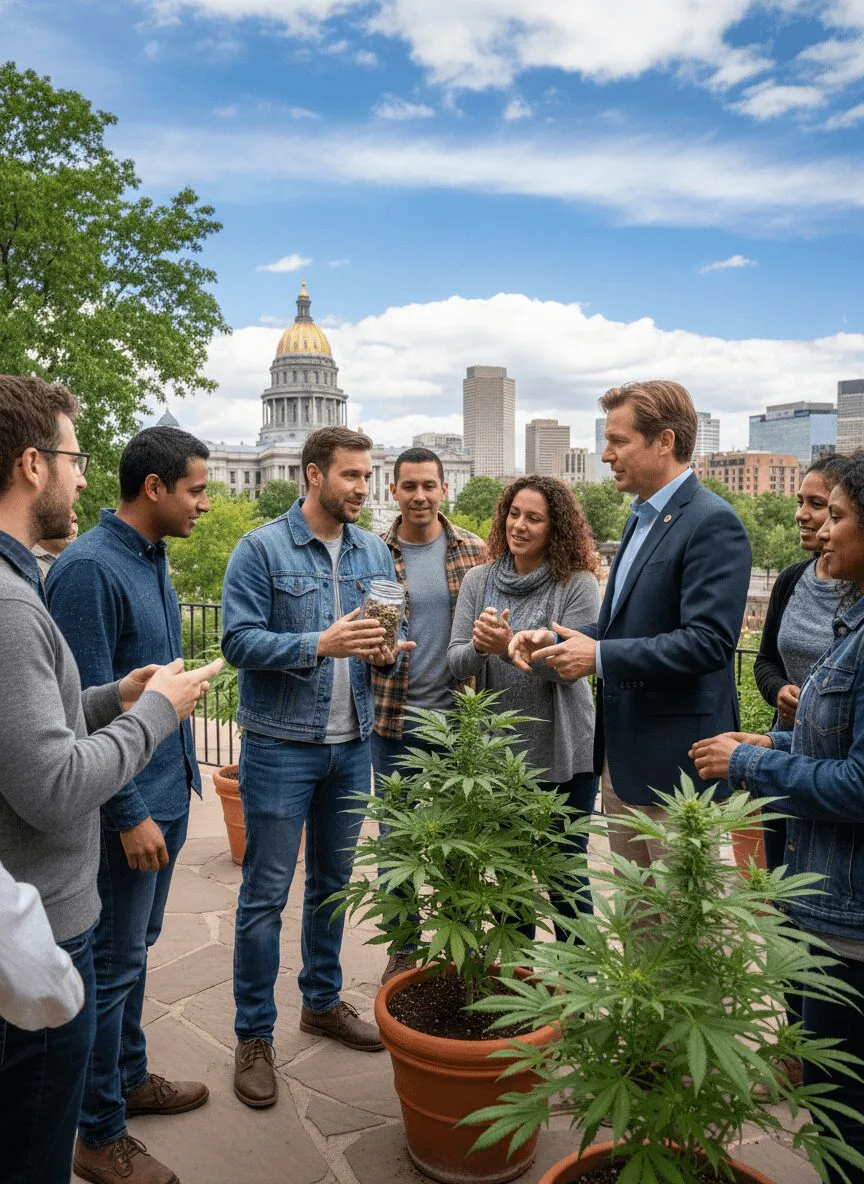
Let’s get real, on June 12, 2024, Colorado Governor Jared Polis publicly demanded action from federal lawmakers, bringing the fight for federal marijuana policy reform right to D.C.’s doorstep. His statement directly referenced the case of Hemani—an everyday Coloradan caught in the gears of conflicting marijuana laws. Polis urged Congress to finally support the freedom states have already established, and the human cost of federal inaction is evident in cases like the ongoing clash between federal and state enforcement issues, a topic explored in current scrutiny over cannabis law enforcement practices (see how cannabis law enforcement impacts real people). According to the official Colorado Governor’s Office, the statement said: “The continued conflict between state and federal law serves no public good, creates uncertainty for residents, and undermines public safety.” It’s worth noting this is far from an isolated incident, with multiple recent reports, including coverage in Marijuana Moment, confirming a spike in calls for federal reform from governors nationwide. Polis also emphasized the economic damage faced by legal operators, whose businesses are hampered by taxes (hello, 280E!) and banking bans tied to outdated laws. With Colorado’s cannabis sector now generating billions in legal sales and tax revenue, the economic stakes, as confirmed by Leafly’s 2024 Jobs Report, have never been clearer.
Expert Analysis: Why Federal Marijuana Policy Reform Is More Than a Pipe Dream
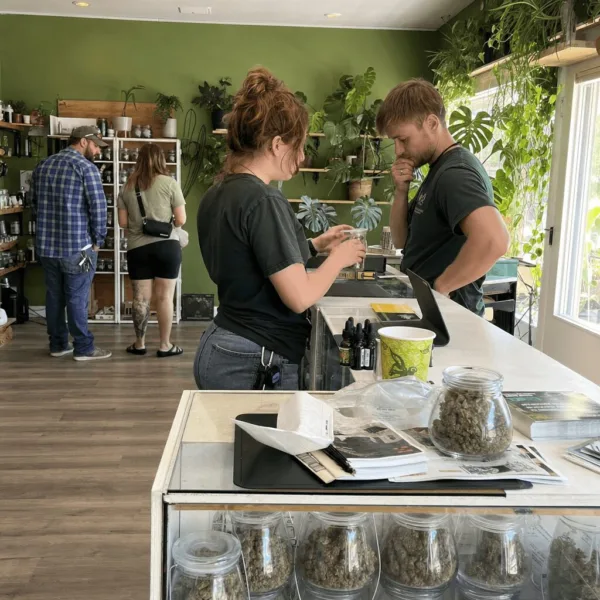
Here’s the inside scoop from industry vets: what we’re seeing is a major tipping point in cannabis reform. The clash between vibrant state programs and stale federal law puts legitimate players in constant jeopardy. A great example of how local initiatives break barriers is the transformation brought by worker co-op cannabis dispensaries, pushing the industry toward more inclusive models (find out how cannabis co-ops challenge the status quo). Consider this, from Marijuana Moment: “Federal marijuana policy reform is not just about removing barriers, it’s about ensuring fairness for millions of Americans doing things legally at the state level.” When banking access is only for the lucky few, and tax codes penalize compliance, something’s gotta give. Industry thought leaders argue that the longer Congress waits, the more we risk stalling scientific breakthroughs, especially for medical research. Plus, without reform, legal businesses can’t compete against the illicit market on a level field. And here’s a little wisdom from NORML political director Morgan Fox: “Legalization efforts won’t truly succeed while federal law criminalizes responsible adults for choices states have declared legal.” That’s the crossroads Governor Polis is shining a light on now, and it’s a debate that’s not just legal, it’s personal, economic, and undeniably urgent. Getting this right means healthier communities, safer markets, and real progress for cannabis everywhere.
The Road Ahead: Why the Future of Federal Marijuana Policy Reform Looks Bright
So, what’s next in this wild ride? Momentum for federal marijuana policy reform is building fast, and Colorado’s bold leadership is catalyzing fresh national conversations. Public opinion is stronger than ever. Even former holdouts in Congress are warming to practical reform, as tracked by Brookings Institution’s recent analysis. Meanwhile, grassroots advocacy and smart state regulations are showing America what’s possible with common sense leadership. The story here is about more than cannabis—it’s about economic fairness, public health, criminal justice, and real freedom. One thing is clear: the future of federal marijuana policy reform is looking hopeful, and forward-thinking states like Colorado are lighting the path. As the industry evolves and the stigma fades, policymakers have a golden opportunity to create a brighter, more equitable, and more prosperous future. Here’s to responsible reform, happy communities, and a cannabis culture that grows together.
Originally reported by: colorado.gov


1 Comment
Pingback: UCLA cannabis research grant fuels Terpene Belt Farms success