




UCLA cannabis research funding: Millions awarded for breakthroughs
Let’s talk about something making waves right now: UCLA cannabis research funding. This isn’t just another academic grant—it’s about millions flowing into cannabis science, breaking down stigmas, and fueling major innovations. With California at the forefront of cultural and regulatory cannabis shifts, every new study affects policy, business, and people’s lives. In this article, we’ll dig into why these grants matter, what UCLA’s research means for the industry, and why this moment is so crucial for the future of cannabis in the U.S.
Understanding the Environment: UCLA Cannabis Research Funding in Context
Cannabis research in the U.S. has spent decades boxed in by DEA regulations and patchy state laws, making it tough to get funding or run meaningful studies. Even as social acceptance skyrockets and the market booms, with the U.S. cannabis market worth over $30 billion according to Forbes, researchers often hit barriers. At the same time, the California Department of Public Health and state leaders have loosened up, directly encouraging cannabis-related academic pursuits. These trends mirror developments in other states, such as stricter THC licensing and regulatory shifts similar to those seen in recent Texas retail and industry policy changes. UCLA’s funding surge is a direct result of evolving laws and shifting public attitudes, reflecting a move toward data-driven policies instead of outdated stereotypes.
Key Developments: UCLA’s Funding, Partnerships, and New Research Frontiers
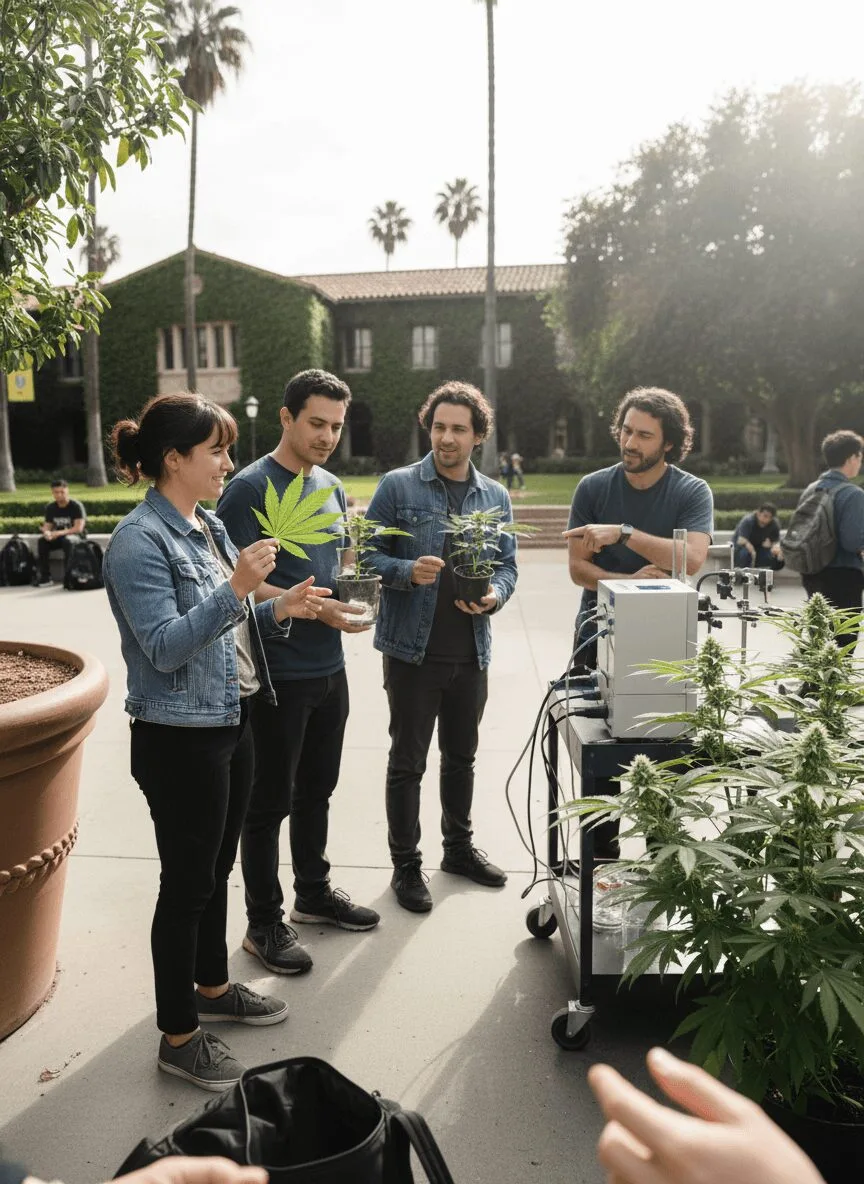
According to Hemp Gazette, UCLA’s Center for Cannabis and Cannabinoids recently secured millions in public grant funding to spur interdisciplinary research into the plant’s societal and medical impacts. The most recent round, totaling over $3.5 million, will bankroll projects ranging from chronic pain management to mental health impacts and social justice assessments around cannabis criminalization. The awards stem from California’s state-mandated revenue earmarks, specifically set aside for cannabis research following legalization measures enacted under Proposition 64. Licensing fees and cannabis tax revenue have directly contributed to these grants, bolstering the study of cannabis outside of the usual pharmaceutical lens. The impact of community enforcement actions elsewhere, like large-scale cannabis busts reminiscent of multimillion-dollar seizures in Port Hope, have also shaped state priorities. As reported in UCLA Newsroom, several of the newly funded projects bring together experts in medicine, sociology, law, and plant biology, each aiming to generate peer-reviewed findings to inform state policy and national debate.
Expert Insights: Why This UCLA Cannabis Research Funding Moment Matters
Here’s where things get interesting, this isn’t just another university cash splash. Industry leaders like Dr. Ziva Cooper, the director of UCLA’s Center for Cannabis and Cannabinoids, emphasize the significance: “Our mission is to close critical knowledge gaps about the risks and benefits of cannabis, and deliver real data that can inform public health policies,” as quoted in UCLA Newsroom. These projects push beyond hype and misinformation, mixing hard science with inclusivity, targeting issues like inequity in arrests and gaps in scientific knowledge about cannabinoids’ real uses. According to Marijuana Moment, this investment also positions UCLA as a gold standard in the field, attracting collaboration with both public health authorities and private sector innovators. Increased national debate on marijuana’s legal and policy status follows developments in government policy—demonstrating how reform efforts, as seen in ongoing regulatory shifts in federal marijuana policy, impact university funding and research opportunities. And let’s be honest, funding of this scale is rare in U.S. cannabis research, which is why the UCLA cannabis research funding news is lighting up boardrooms and advocacy forums nationwide.
Future Outlook: The Road Ahead for UCLA Cannabis Research Funding
What’s next? These grants have already created momentum—expect more rigorous data, progressive policies, and a domino effect as other states eye California’s playbook. With federal restrictions softening—check the latest dialogue at Congress—and societal perceptions steadily evolving, the UCLA cannabis research funding will only continue to open doors. We’re looking at a future where cannabinoid science shapes everything from medicine to criminal justice reform. According to the National Institutes of Health, more openness means safer usage, reduced stigma, and massive economic opportunity. If the past is any clue, UCLA and their cannabis research funding are just getting started—better science, better access, and a greener, smarter future for all.
Originally reported by: hempgazette.com