




Texas hemp THC licensing: Get the Facts Before Fees Skyrocket
Everything’s bigger in Texas—including the latest shake-up in cannabis rules. The Texas hemp THC licensing scene is facing a major pivot, thanks to aggressive proposals from state regulators aiming to jack up licensing fees for retailers. For small businesses, makers, and cannabis fans statewide, understanding what’s really going down is key as these changes could slam the brakes—right when the market was finally rolling. Let’s break down who’s at risk, what’s changing, and what savvy industry folks are doing to adapt, all while keeping Texas hemp THC licensing top of mind.
The Regulatory Roots: Texas Hemp THC Licensing in Context
Texas hemp THC licensing has always been a wild ride. Since the 2019 Texas Hemp Bill legalized hemp and opened the door for THC-infused products with under 0.3% delta-9 THC, retailers rushed to meet surging demand. But things never got totally chilled, with patchwork enforcement, evolving products like delta-8, and legal ambiguities keeping everyone guessing. This is a state where socially conservative pressures meet a booming wellness market, and where officials still signal mixed sentiments. On the cultural landscape, community events in Texas—such as those that celebrate heritage and cannabis culture—are now seeing dialogue between regulators, business owners, and consumers, as shown by recent reports on Texas’s evolving cannabis scene during milestone celebrations. Wholesale changes to Texas hemp THC licensing now threaten to upend progress, demonstrating the delicate dance between economic opportunity and regulatory concern. According to NORML, local law enforcement interpretation and political influence still play a heavy hand. Texas hemp THC licensing is about public safety, yes, but also economic empowerment, personal freedom, and the chance for hemp to shine as a transformative crop in the Lone Star State.
Major Fee Increases and The Latest Developments
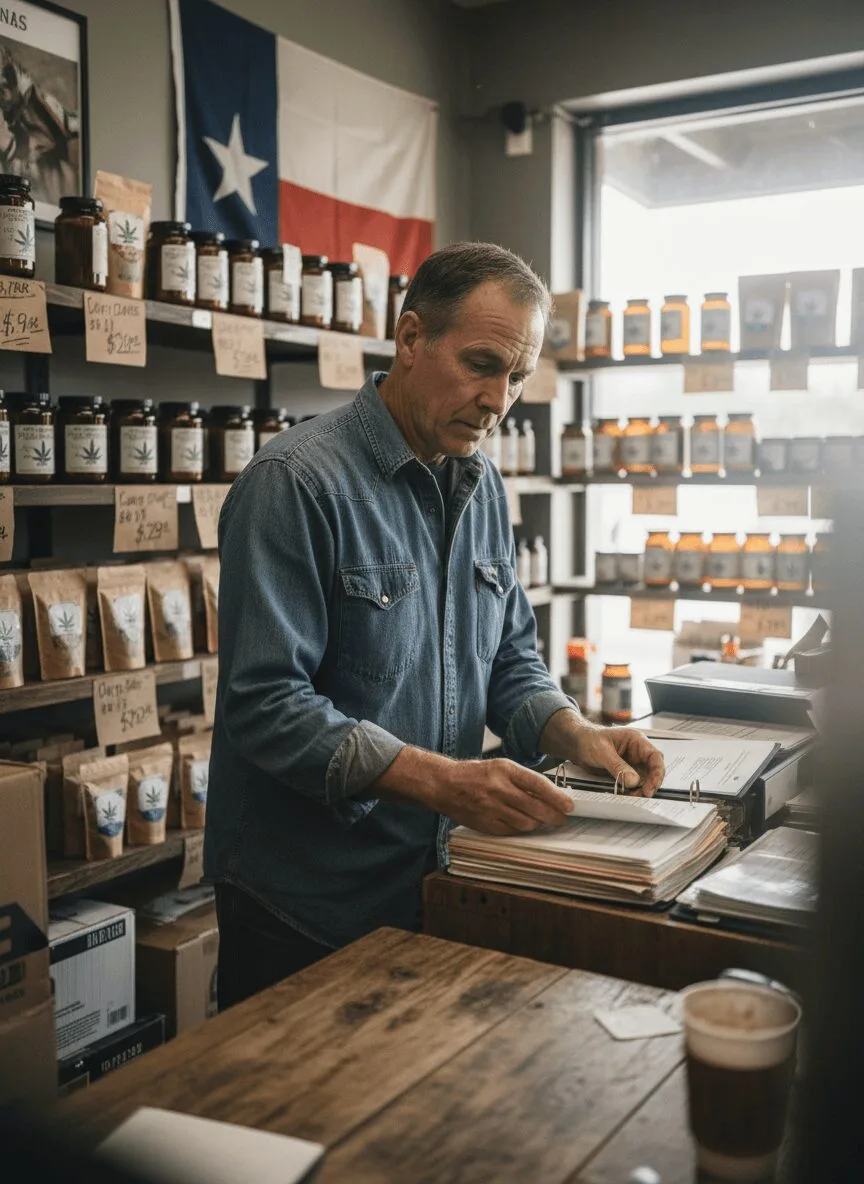
In April 2024, Texas regulators set off alarms by proposing a massive spike in the Texas hemp THC licensing fee for retailers selling THC-infused hemp products, jumping from $258 to a whopping $13,000 per year, as reported by San Antonio Current. The Texas Department of State Health Services (DSHS), the lead rulemaking body, claims this bold move will ‘align the fee with actual program costs,’ sparking considerable debate. Caught in the crossfire are small shops, independent grocers, and family-run CBD businesses—many of whom might be priced out overnight. Industry advocates argue this isn’t business as usual; it’s a market disruptor. This dramatic fee adjustment follows rising state-level scrutiny of intoxicating hemp derivatives such as delta-8, with cited concerns about underage sales and consumer safety. Discussions about shifting rules remind some observers of high-profile law enforcement actions nationwide, much like the recent multimillion-dollar cannabis busts in other regions. The current public comment period is drawing passionate input from business leaders, patients, and lawyers. If adopted as written, the rule would take effect later in 2024, impacting hundreds of current license holders and potentially reshaping the market overnight. Marijuana Moment backs these claims, documenting widespread alarm in Texas’s hemp retail community.
Expert Analysis and Industry Perspective
So, what’s really at stake with Texas hemp THC licensing? On one hand, the state’s call for dramatically increased licensing fees reflects real regulatory costs like testing, enforcement, and paperwork. But a $13,000 annual price tag? That’s got major players and mom-and-pop shops united in concern. According to Hemp Grower and many other trade journals, such a jump could be ‘existential’ for small retailers. The Texas Hemp Coalition points out: ‘Small businesses will be driven out, benefiting only large operators with deep pockets. Communities that rely on hemp-derived products for wellness or pain relief could see vital options vanish.’ These licensing changes are raising similar questions as those seen with recent healthcare access debates in other states, such as the opening of medical cannabis dispensaries in Kentucky. Other experts add that Texas hemp THC licensing challenges mirror national trends, where shifting political winds create market instability. As Leafly notes, Texas remains notoriously tough on cannabinoids, even as consumer interest spikes. However, “The consumer demand for hemp-derived THC is real, and any law that ignores Texans’ needs risks backfiring,” says cannabis attorney Chelsie Spencer. Texas hemp THC licensing thus serves as a real-time case study in the push and pull between regulation and personal liberty.
Future Outlook: Room for Hope Amid Uncertainty
It’s not all doom and gloom in the Texas hemp THC licensing universe. Industry groups, retailers, and everyday Texans are weighing in, urging revisions and more reasonable policy. Past experience shows that public comment periods and pushback can lead to compromises—keeping small businesses afloat and preserving access for those who rely on hemp for relief. The debate over Texas hemp THC licensing will shape the next phase of legal cannabis in the state, perhaps even serving as a model for regulatory evolution nationwide. Texans have a knack for mixing resilience with innovation, and with so much energy behind sensible reform, even big hurdles can turn into trailblazing wins. As Ganjapreneur reports, smart regulation—not excessive barriers—offers the best path to a fair, thriving, and compliant hemp industry. The Lone Star State’s journey isn’t over—bet on further changes that reflect both community values and economic opportunity. No matter how the dust settles, the heart and hustle around Texas hemp THC licensing will remain core to the state’s cannabis future.
Originally reported by: sacurrent.com

1 Comment
Pingback: UCLA cannabis research funding: Millions awarded for breakthroughs