




Port Hope cannabis bust: Uncover $3.8M Seizure Details
The Port Hope cannabis bust is creating major headlines, blending high-stakes law enforcement with ongoing debates over cannabis policy. With over $3.8 million in seized marijuana, this case perfectly spotlights the tension between regulation and illicit markets. As legalization moves across Canada, every high-profile bust sends ripples through communities, consumers, and industry players alike. Today we’ll break down what went down, why it matters, and what it all means for the future of legal cannabis in Ontario and beyond.
Canada’s Evolving Cannabis Landscape: Regulations, Realities, and Social Impact
Legal cannabis in Canada is still a young industry, even though recreational use has been permitted since 2018. Federal and provincial authorities have continued ramping up enforcement when businesses or individuals operate outside the legal, licensed framework. In Ontario, provincial legislation is clear: only licensed producers and retailers may manufacture and sell cannabis. The Ontario Cannabis Store (OCS) acts as the official wholesaler, and strict penalties exist for unlicensed operations. Despite this, the persistent flood of illegal supply—often cheaper and less traceable—remains a major challenge. Some observers draw a parallel with the evolving situation in the United States, where regulatory changes continue to make headlines, as seen in recent shifts outlined in presidential policy updates. For many, the Port Hope cannabis bust highlights the ongoing battle to transition consumers away from the grey market. Law enforcement efforts have increased, focusing on dismantling large-scale grow-ops to address public safety concerns and recoup lost tax revenue. This growing rift—a divide between those who see enforcement as stigma and those advocating for firm industry controls—reflects Canada’s complex cannabis landscape in 2024. For up-to-date market figures and policy shifts, review Statistics Canada’s cannabis dashboard.
Port Hope Cannabis Bust: The Breakdown and Legal Fallout
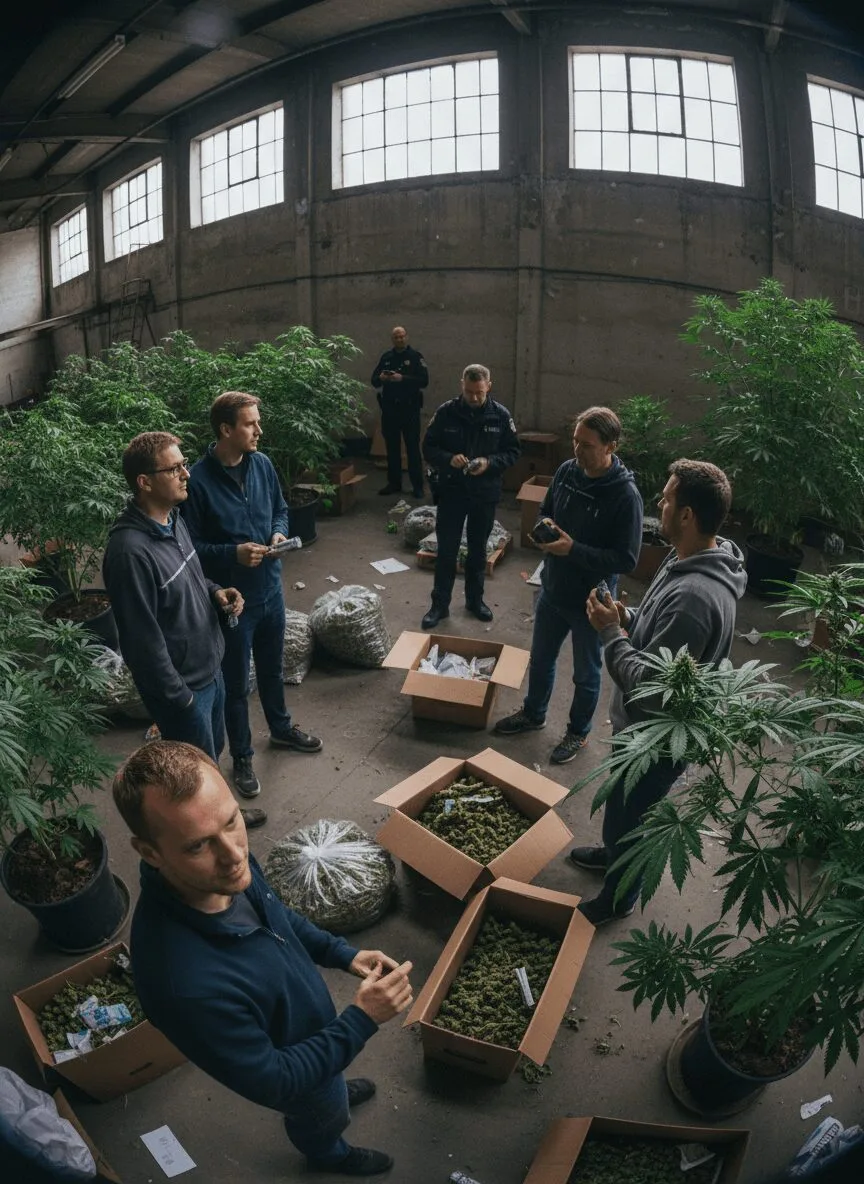
According to details from the Toronto Sun, the Port Hope cannabis bust went down on May 29, 2024. Police raided a warehouse-style property near Lakeshore Road, uncovering a sprawling illegal grow containing a reported 2,943 cannabis plants in various stages of growth. Officers seized processed marijuana in commercial-grade plastic bags, plus packaging materials and related equipment valued at more than $3.8 million. Authorities reported that the operation was run with sophisticated setups typical of organized efforts. Eight adults face multiple charges including unlawfully producing cannabis and possession for the purpose of distribution. Police cited safety concerns, noting that unregulated facilities often lack compliance with fire, electrical, and building codes, raising significant risks. OPP and local police coordinated the takedown with community tips. These enforcements align with other Ontario crackdowns, as discussed in CBC News. In similar enforcement actions elsewhere, such as a recent high-profile arrest concerning vehicle registration and cannabis possession, law enforcement underscores its commitment to curb illegal distribution and uphold public safety.
Expert Insights: Industry Impact and Deeper Takeaways
As a long-standing cannabis advocate, I’ve witnessed these enforcement actions repeatedly. The Port Hope cannabis bust isn’t just news—it’s another pivotal moment in Canada’s slow progress toward full cannabis normalization. Each major bust reminds us that black market demand persists even as legalization advances.
Dr. Jenna Valleriani, a respected Canadian cannabis policy expert, remarked in Leafly Canada: “Heavy-handed enforcement rarely addresses the root causes driving the illegal market. Lasting change requires better access, education, and sensible regulations.” The size and scope of the Port Hope operation reveal how the market for illicit cannabis continues where legal sources are either inaccessible or costly. Data from OCS market reports shows that over 40% of cannabis in Ontario is still sourced illegally. Similarly, cultural events that celebrate cannabis, like those commemorating historical milestones in other regions, have highlighted how normalization and public engagement can help shape safe, regulated markets, such as the growing embrace of cannabis culture at events like the Texas 250th Anniversary Celebration. The key challenge remains: building consumer trust, affordability, and retail accessibility to truly shift away from the illicit market.
What’s Next? Opportunity in the Wake of the Port Hope Cannabis Bust
Looking ahead, the Port Hope cannabis bust cries out for smarter policies and industry evolution. Canada’s legal cannabis sector has achieved impressive milestones—billions in sales, robust product variety, and a slow shift in public opinion. Yet, events like these prove that policy tweaks and market maturation still have a long way to go. Many insiders and lawmakers now recognize the need for practical reforms: better pricing, greater retail access, and streamlined licensing processes. The ultimate win is to bring both consumers and would-be producers into the legal fold, reducing the black market’s allure.
As the GlobeNewswire’s industry forecast predicts, the Canadian cannabis market could reach $9.2 billion by 2030. If regulators and industry leaders keep learning from each incident—tuning rules and supporting fair business—the future looks promising. Cannabis acceptance and safety can coexist, especially when stakeholders work together instead of in opposition. One thing’s for sure: after every Port Hope cannabis bust, the conversation about legalization and reform only grows louder—and more optimistic.
Originally reported by: torontosun.com


2 Comments
Pingback: Ballard copper wire theft drugs: Police bust exposes shocking link
Pingback: Texas hemp THC licensing: Get the Facts Before Fees Skyrocket