



Ballard copper wire theft drugs: Police bust exposes shocking link
Let’s be real—these days, every Seattle local has heard a wild story about what’s going down around Ballard. The latest news? It’s got all the buzz: the Ballard copper wire theft drugs drama goes deeper than anyone expected. In a plot twist worthy of a Netflix special, police busted a copper pilfering operation and, surprise, found plenty of cannabis and other substances hanging out in the suspects’ rides. This story is everywhere right now because it hits at the intersection of construction, law enforcement, and the ever-evolving cannabis scene. We’re breaking down what really happened, why it matters to the local industry, and how stories like this shape public opinion on weed and policy in Washington.
Why the Ballard copper wire theft drugs spotlight matters now
Seattle’s Ballard neighborhood is truly a microcosm of shifting attitudes about cannabis, property crime, and the tensions between law enforcement and legalization. Across the Pacific Northwest, copper theft has surged over the last decade as booming metal prices, coupled with economic hardship and substance abuse, drive increasingly bold incidents. The role of cannabis in property crime remains misunderstood, especially in the context of legal adult use since 2012 (Washington State Liquor and Cannabis Board). These issues mirror larger debates happening nationally about legalization and enforcement—one recent example that comes to mind involves rigorous local crackdowns, reminiscent of situations like the Port Hope operation where authorities uncovered a massive cannabis seizure and drew public attention to the blurry line between legal and illegal activity (see details here). Understanding stories like the Ballard copper wire theft drugs bust is crucial, as it helps us separate fact from fiction and examine the real points of intersection between cannabis policy, property theft, and modern policing.
The Ballard copper wire theft drugs bust: What went down?
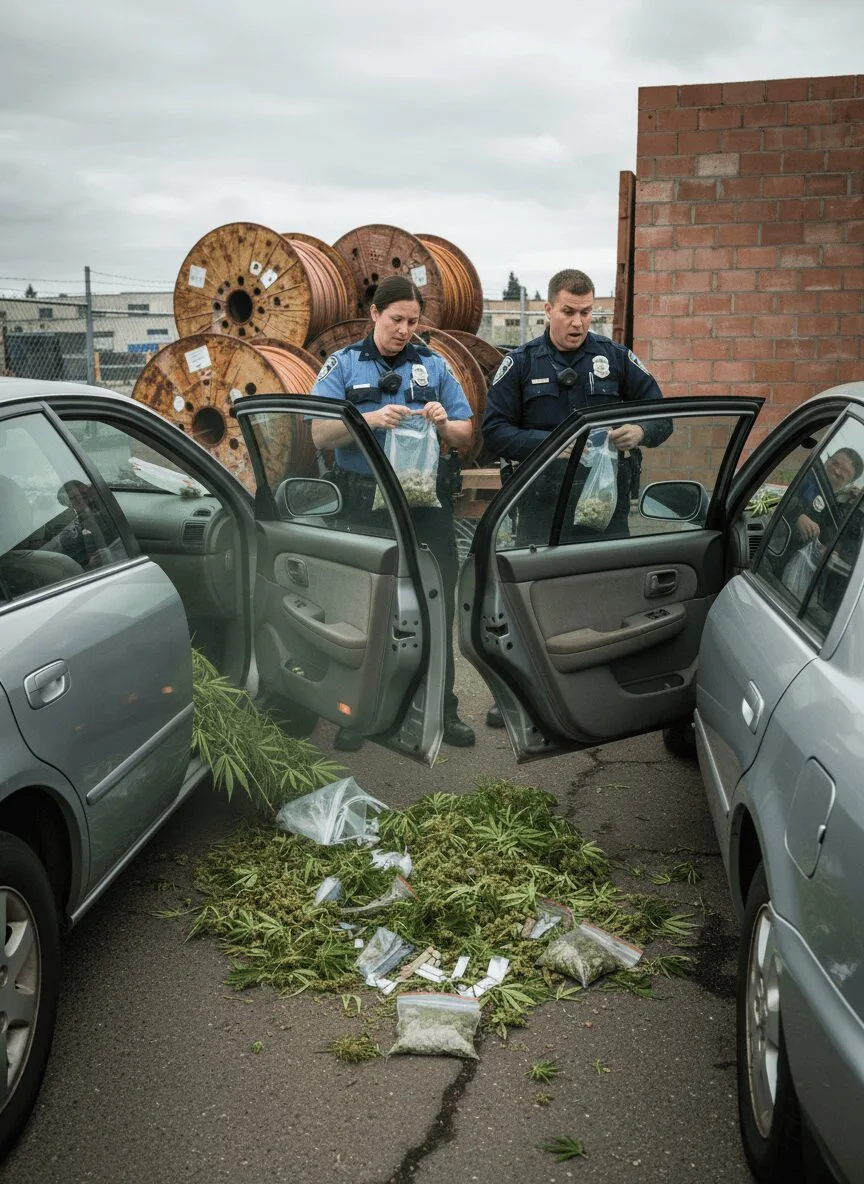
Here’s a detailed recap, based on local reporting by KOMO News and other confirmed sources. Earlier this week, Seattle Police acted on a tip from construction workers after thousands of dollars in copper wire disappeared overnight at a Ballard worksite. Responding officers found two sedans nearby, doors wide open, and after searching the vehicles, discovered fresh cannabis, pre-rolled joints, bulk baggies, and an unmistakable smell that suggested the weed found was far from casual. Heroin, methamphetamines, and psilocybin mushrooms were also seized during the arrest, further complicating the incident. Several suspects were detained as police catalogued evidence and seized the stolen wire. This Ballard copper wire theft drugs episode quickly sparked widespread discussion, echoing concerns seen in other states, like Kentucky, where regulatory challenges and public safety collide as dispensaries open and policy evolves (see how the state’s cannabis rollout is changing perspectives). In Ballard, the conversation naturally encompassed the construction sector, local businesses, and ongoing debates about cannabis and crime.
Digging deeper: Expert takes and cannabis industry context
As someone familiar with the evolution of cannabis law long before mainstream acceptance, I know stories like the Ballard copper wire theft drugs bust need balanced analysis. Law enforcement must tackle theft and dangerous substances, but it’s equally true that the legal cannabis sector is not the source of property crime. According to Leafly’s annual cannabis jobs report, this industry supports tens of thousands of jobs and funnels substantial revenue to education and public health in Washington. When law enforcement narratives tie regulated cannabis to more dangerous crimes, it revives outdated fears and conflates very different issues. Notably, NORML’s Deputy Director Paul Armentano observes, “Equating regulated marijuana with street crime is like blaming craft brewers for moonshine operations—totally unfair, and unhelpful for public safety discussions” (NORML). We shouldn’t ignore the reality of substance misuse, but we must recognize the larger context: economic struggles, addiction, and the thriving underground metal trade. Smarter strategies—focusing on harm reduction and effective policing—are badly needed, much as has been discussed in cases drawing attention to the intersection of policing and cannabis, such as when headlines follow a tragic event involving marijuana and law enforcement (see this example here). Prioritizing education, community investment, and honest reporting will better serve public safety than perpetuating misconceptions about the cannabis industry.
Looking ahead: New narratives for cannabis and urban safety
So where does this leave us? The Ballard copper wire theft drugs case is just one data point in a much bigger story about how cannabis is treated in media and public discourse. While it’s always tempting to conflate headlines and reinforce old stereotypes, I’m optimistic. Every story like this is a chance to educate: to remind Seattle—the whole country, actually—that legal cannabis is here to stay, and that regulation works best when it’s smart, nuanced, and geared toward real community safety. According to a recent survey from Pew Research, more than 88% of Americans now support some form of legal weed. That’s not a trend, friends, that’s the new normal. Here’s hoping lawmakers, police, and the public move toward more collaborative, balanced solutions that recognize cannabis as part of the solution, not just a 1970s punchline. Ballard may have had a rough morning, but the future’s looking ever greener.
Originally reported by: komonews.com


1 Comment
Pingback: Lakewood Christmas package thefts: What Residents Need to Know