





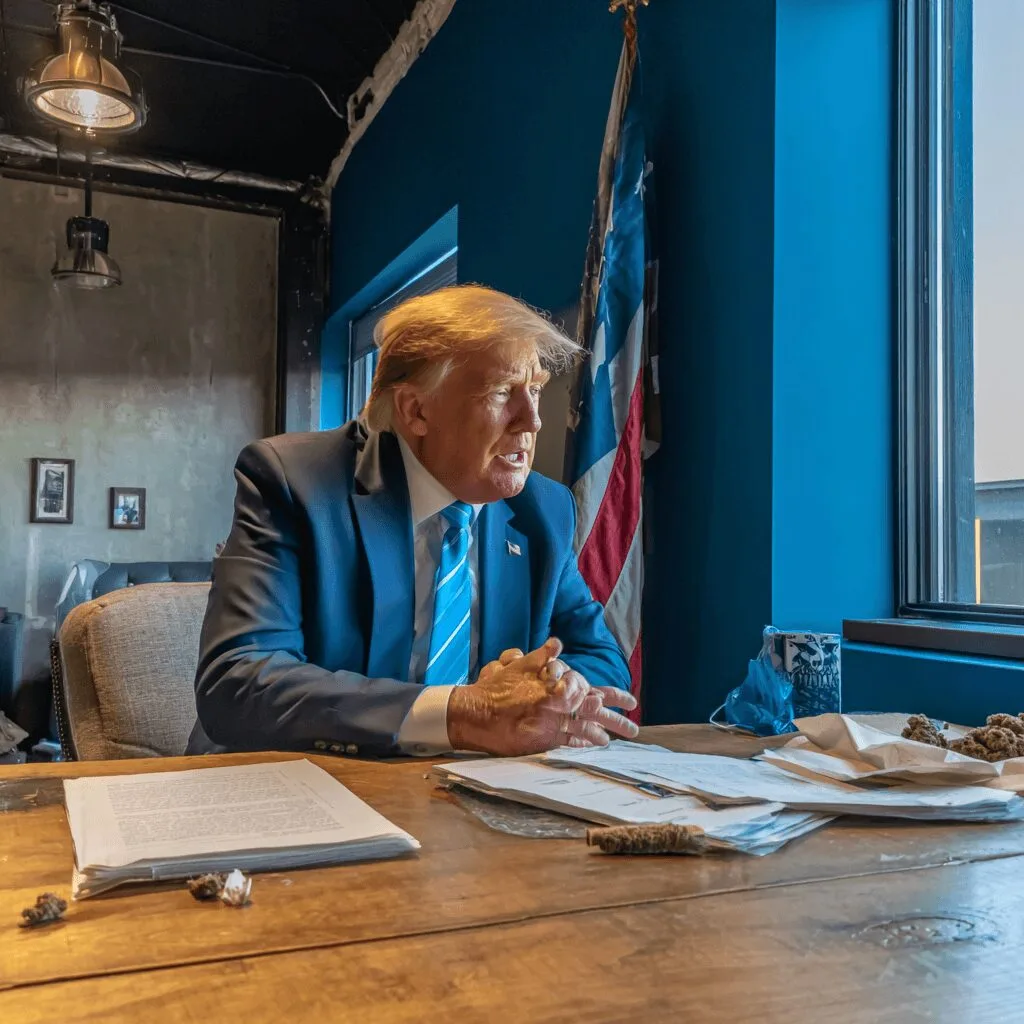
Trump cannabis rescheduling: Will the rules finally change?
There’s never been a juicier moment for U.S. cannabis reform discussions, and the “Trump cannabis rescheduling” topic is lighting up news feeds everywhere. With Trump signaling moves toward making federal cannabis laws a little less draconian, advocates, businesses, and, frankly, anyone tired of outdated stigma are watching closely. This isn’t just about another politician jumping on the weed bandwagon—it’s the possibility of a full regulatory remix, impacting patients, profits, and policies nationwide. We’ll break down the background, latest twists, expert takes, and what it might all mean for the unstoppable cannabis movement.
How Did We Get Here? The Long Road to Cannabis Reform
The journey to mainstream cannabis acceptance in the U.S. hasn’t exactly been a walk in the park. The DEA’s current drug scheduling policy classifies cannabis as a Schedule I substance, meaning it’s considered as dangerous as heroin and more regulated than fentanyl. This label has stunted research, ruined lives with criminal charges, and forced legitimate businesses to operate in a financial and legal gray zone. States like California blazed the trail with medical legalization in 1996, and now, over half the U.S. population lives where adult-use cannabis is legal on some level—evolving reforms that have also been seen in states like Ohio, where GOP support for marijuana legalization recently made headlines. Yet, federal reform has dragged. Previous efforts, like those by the Obama and Biden administrations, saw slow progress, leaving many to wonder whether real change is possible. Social momentum continues to surge; according to a recent Pew Research survey, a whopping 88% of Americans believe cannabis should be legal in some form. With the business of cannabis worth billions, and patients, veterans, and social justice advocates pushing hard, the “Trump cannabis rescheduling” debate could signal a massive reset, legally and culturally.
What’s Actually Happening? The Latest on Trump Cannabis Rescheduling
Here’s what’s sparking all the buzz: on December 12, 2025, Bloomberg News reports that Donald Trump is planning to champion a formal push for the rescheduling of cannabis at the federal level. The move would reclassify cannabis from a Schedule I to a less restrictive category, a tectonic regulatory shift. Trump’s announcement comes after mounting pressure from both red and blue states with booming legal cannabis markets, and whispers of strategic thinking ahead of the 2026 midterms. Related to these changes, the impact of potential executive orders on cannabis laws continues to be a focus of speculation, with analyses like exploring if federal cannabis laws will change under Trump directives providing much-needed context. According to recent legislative filings, new bills aim to instruct agencies like the Department of Justice and the DEA to accelerate review and report on cannabis’s medical benefits and potential for abuse, potentially paving the way for medical and business advancements. Industry leaders, from publicly traded marijuana companies to independent dispensary owners, are preparing for what could be a wave of investment and mainstream banking access. Some insiders referenced by Marijuana Moment expect bipartisan debate in early 2026, highlighting how constantly shifting federal stances keep everyone guessing. While the details are still up for debate, the “Trump cannabis rescheduling” policy signals a real possibility of 50-state access to safer medicine and above-board business practices.
Real Talk: Industry Experts Weigh In
If Trump pulls the trigger on cannabis rescheduling, what happens next for the grassroots and corporate sides of weed? A lot, according to longtime insiders. Aurora Cannabis advisor and advocate Crystal Fielding said in a recent MJBizDaily interview: “Rescheduling would be the legal sledgehammer this industry needs. We’ll see new players, major research, and fewer legal headaches for everyone—patients, doctors, and brands alike.” For context, rescheduling doesn’t mean the feds are all-in on nationwide legalization. It’s more of a green light for research, bank accounts, and smoother state-by-state regulation. According to NORML, such a move would open up legitimate access for veterans struggling with PTSD and chronic pain, while unlocking safer, science-backed treatment options for millions of patients. Insight from the medical cannabis senior care movement further highlights how rescheduling could benefit aging Americans with compassionate and science-based access. Experts also warn not to expect a free-for-all, since taxes, licensing, and interstate trade will stay complex for a while, especially with so much money and old-school attitudes in play. Yet the hope is clear: “Trump cannabis rescheduling” could finally catalyze the normalization advocates have spent years fighting for.
Looking Ahead: Why Cannabis Reform Feels Inevitable
Let’s be real—the cannabis train has already left the station. With Trump cannabis rescheduling now a real talking point, investors and advocates alike are preparing for a leap forward. As states like Illinois and New York continue rolling out robust legal frameworks, and mainstream publications like TIME Magazine highlight shifting public perceptions, it’s clear the stigma is collapsing. The U.S. is rapidly catching up with global trends: countries like Germany, Canada, and Thailand are pushing innovative medical and adult-use models. The economic potential is undeniable—think jobs, tax revenue, safer products, and a little less hypocrisy. Whether or not Trump’s plans survive congressional mud-wrestling, there’s no putting this genie back in the bottle. With public support sky-high and smart regulation on the horizon, the “Trump cannabis rescheduling” era could finally bring rational, compassionate policy right when the nation needs it most.
Originally reported by: bloomberg.com



1 Comment
Pingback: Alabama medical marijuana licenses: Get the latest on approvals