


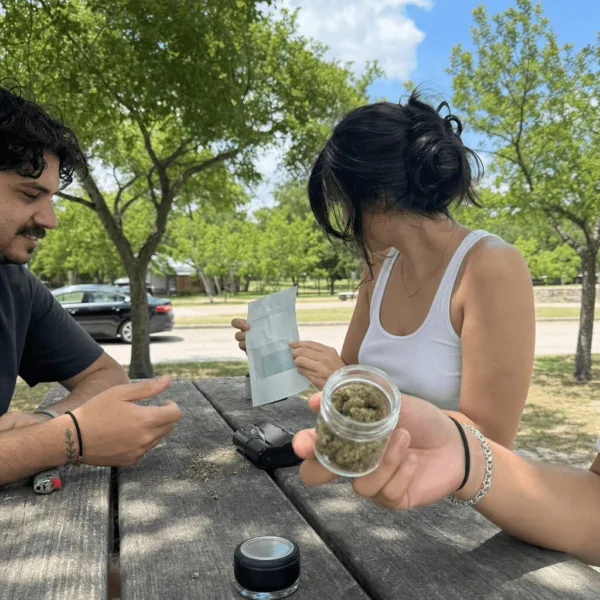



Ohio marijuana legalization: Shifting GOP attitudes revealed
Ohio marijuana legalization is turning heads across the Midwest. Whether you’re passionate about cannabis or just following the headlines, the topic is spicier than ever. With recent developments shaking up the statehouse and some surprising moves from Republican leaders, the legalization story now packs more twists than a classic Ohio rollercoaster. As lawmakers weigh new research and voters push for change, Ohio marijuana legalization isn’t just a policy shift — it’s a cultural moment. Here’s what’s happening, why it matters right now, and what it could mean for the future of legal weed in the Buckeye State.
Background: Ohio Marijuana Legalization and a Changing Political Landscape
Ohio marijuana legalization has a complicated history. Back in 2015, a heavily funded ballot proposal to legalize recreational cannabis failed, partially due to concerns over monopolistic cultivation sections (Cleveland.com reports). Since then, lawmakers and advocates alike have seen shifting politics, growing medical cannabis programs, and evolving public attitudes. Ohio formally legalized medical marijuana in 2016, and since then, over 175,000 patients have registered for access, according to official state data.
The political calculus is changing too. Recent Gallup polling shows nearly 68% of Americans support marijuana legalization, and even in conservative circles, the stigma is fading. The Midwest, once thought slow to embrace legal weed, now features Illinois and Michigan with robust adult-use markets pulling in billions. Ohio’s neighbors are reaping tax windfalls, putting additional policy pressure on Columbus. Socially and economically, the Buckeye State is at a crossroads, eyeing reforms not only for economic growth, but also for criminal justice and public health improvements (Pew Research). More broadly, the rise of compassionate care models in senior communities shows how medical cannabis is transforming aging through science and advocacy as recent case studies highlight.
Key Developments: GOP Tensions, Study Efforts, and Legal Weed Realities
So, what’s new in Ohio marijuana legalization? According to a recent report by Signal Ohio (full article here), Ohio’s GOP-led legislature has pivoted from staunch opposition to adopting a more contemplative stance. Republican lawmakers, rather than repealing or gutting last year’s voter-approved legalization measure (Issue 2), have chosen to form study committees for psychedelics and consider incremental rule tweaks. This move contrasts sharply with the hawkish anti-cannabis posture of prior years. The ballot measure, supported in November 2023 by 57% of voters, permits adults aged 21+ to possess, purchase, and grow marijuana. Legal sales are expected to roll out statewide in 2024, overseen by the state’s Division of Cannabis Control. Unlike previous fights where lawmakers rushed restrictive bans in reaction to public demand, this time around, many elected officials are signaling caution, respect for the ballot process, and even a willingness to explore medicinal psychedelics. The Signal Ohio article highlights quiet meetings with industry stakeholders and Republican lawmakers now openly discussing regulatory fine-tuning rather than prohibition. Public debates about regulating safe cannabis products mirror the safety calls raised after incidents involving THC edibles among children in other states. While it’s not all peace pipes and party hats, Ohio marijuana legalization advocates are seeing the door open wider than ever.
Expert Analysis & Insights: Why Ohio Marijuana Legalization Really Matters Now
The shift we’re witnessing around Ohio marijuana legalization isn’t just about pot politics. It’s about economic momentum, social reform, and a new era of pragmatism at the capitol. The cannabis market could create thousands of new jobs, generate hundreds of millions in tax revenue, and slash criminal justice costs (as estimated by Marijuana Policy Project). John Hudak, a respected cannabis policy researcher formerly at Brookings, sums up the bipartisan shift: “Legalization is no longer just a liberal pipeline dream, it’s pragmatic governance, especially as neighboring states profit and public opinion surges” (Brookings Institution). Social acceptance and legal reforms in Ohio echo broader national patterns, as recent studies show how changes in marijuana law are shaping society in surprising and sometimes positive ways with impacts that extend beyond the state. This pragmatic tone is echoed by key players in local industry and advocacy. For Ohio marijuana legalization, the most recent voter win signals that a majority wants regulated, safe access, not patchwork criminalization. Lawmakers balancing constituent concerns with industry realities is a sign of maturity in the Ohio market. The open committee approach enables real dialogue about licensing, equity, and public safety. That willingness to talk, versus the old-school crackdown, is what the modern legal cannabis movement is all about.
Looking Forward: Ohio Marijuana Legalization and a Greener Midwest Future
The story of Ohio marijuana legalization is far from over. The state, once considered a cautious holdout, now sits on the edge of major change. With lawmakers embracing research, voters powering reforms, and neighboring states proving the economic upsides, Ohio’s cannabis chapter is just warming up. Industry experts, including sources like Leafly, project Ohio could quickly join national leaders in cannabis innovation and tax generation. Social acceptance is growing, regulatory clarity is improving, and the Buckeye State seems ready to light up a new era. Whether you’re a policy nerd or a passionate toker, Ohio marijuana legalization should be on your radar — because it’s about a whole lot more than weed. It’s a signal of bigger cultural, economic, and legal shifts still to come.
Originally reported by: signalohio.org



1 Comment
Pingback: Why NY Businesses Need a Cannabis Tracking System Now