





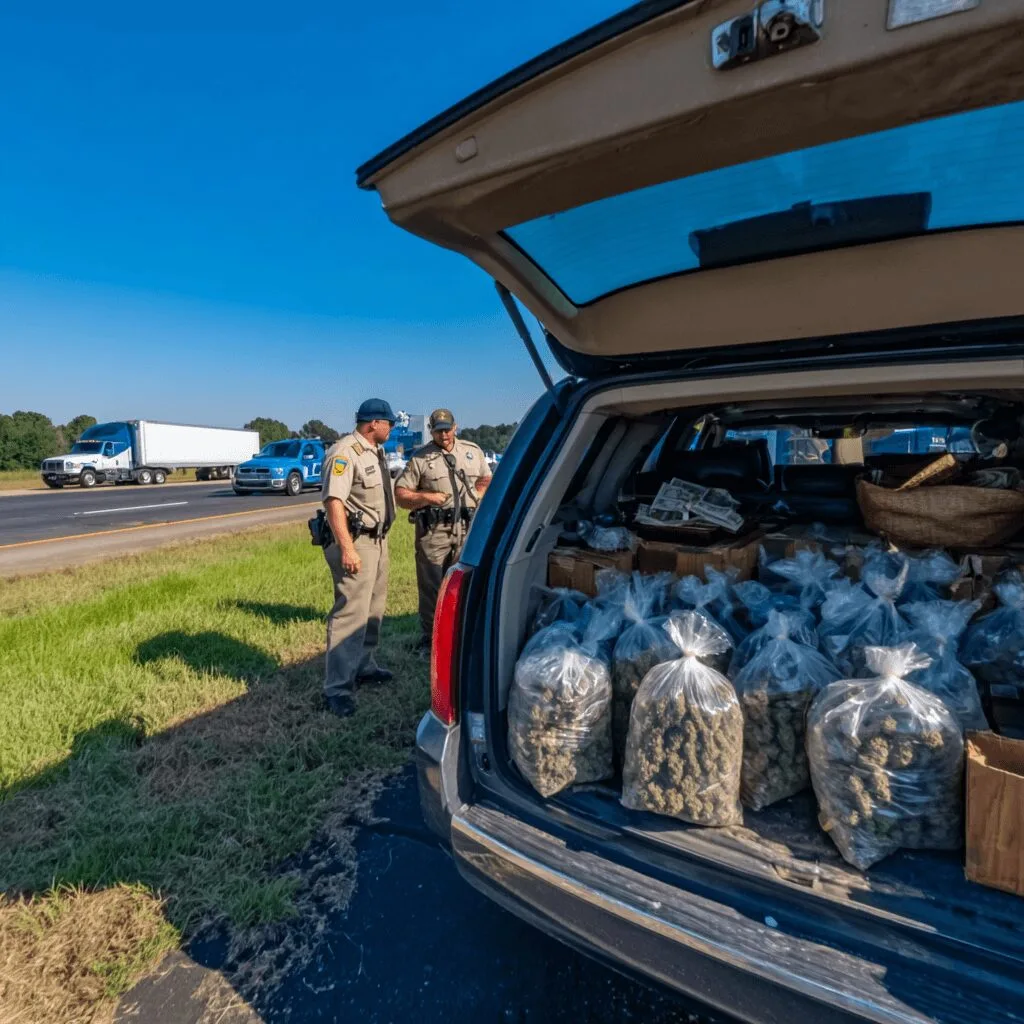
I-40 marijuana seizure: Shocking Amounts Uncovered by ASP
Right now, cannabis is generating headlines everywhere, from statehouse debates to truck stop conversations. The recent I-40 marijuana seizure by the Arkansas State Police has sent shockwaves through both the industry and the community. As legalization spreads across much of the country, major enforcement actions like this show how uneven state laws still create tension and headline-grabbing busts. In this piece, we break down what happened along I-40, why it matters to everyone in the cannabis world, and what it signals for the future of cannabis in America. Hang tight—we’re rolling through the lastest facts, expert takes, and some real talk about policy contradictions and new opportunities.
The Legal Landscape: Cannabis At A Crossroads
Understanding the context of the I-40 marijuana seizure means unraveling the tricky web of cannabis laws now mapped across the United States. Federally, marijuana remains classified as a Schedule I substance, putting it in the same regulatory basket as heroin, despite state-level reforms tracked by NORML. As of 2024, more than half of states have legalized some form of cannabis for medical or adult use. But here’s the rub: in states like Arkansas, recreational cannabis still isn’t legal, while medical sales are highly restricted and tightly monitored by Arkansas regulators. Adjacent states, like Oklahoma to the west with looser medical laws, and Tennessee to the east with almost total prohibition, add complexity along interstate highways such as I-40, which increases law enforcement efforts on major corridors. For a state like Ohio, even recent political shifts highlight how evolving legalization trends influence enforcement priorities beyond state borders, as seen in unexpected changes in Ohio marijuana policy. It’s this patchwork environment that fuels headline busts like the I-40 marijuana seizure and keeps cannabis advocacy urgent and complicated.
Inside the I-40 Marijuana Seizure: Facts and Fallout
Here’s what went down, according to detailed reports from the Arkansas Department of Public Safety. In a series of operations during late May and early June 2024, Arkansas State Police stopped multiple vehicles along I-40 and seized over 850 pounds of illegal marijuana, along with approximately $195,000 in cash. Officers confiscated duffel bags overflowing with bulk cannabis and stacks of bundled bills, making headlines throughout state and national news and further fueling debates over state and federal cannabis policy. The reports note that suspect vehicles were intercepted near Pulaski and Faulkner counties, which are considered hot routes for smuggling due to their location between western, more lenient states and eastern, stricter states. Charges ranged from possession with intent to distribute to money laundering, a harsh reminder of the consequences for black-market activity in prohibition states. For those following national trends, recent federal developments such as ongoing discussions about a possible marijuana rescheduling decision have amplified interest in how such seizures might affect broader reform efforts; more details on this ongoing debate can be found in recent updates about federal marijuana rescheduling.
Cannabis Industry Analysis: Contradictions and Lessons
I-40 Marijuana Seizure and the Broader Industry
Let’s pull back the curtain as an industry insider and seasoned cannabis advocate: The I-40 marijuana seizure wasn’t just a police headline, it reflects the contradictions plaguing the cannabis market today. National polling by Pew Research Center consistently shows support for legalization topping 60%, yet state-by-state patchwork laws create high-risk environments for growers, shippers, and anyone caught crossing state lines with legal product from one state into another where it remains illegal. Most experts agree that continued black-market seizures are part symptom and part catalyst for policy change. As Leafly reports in their market deep-dives, “Black market activity is a direct result of regulatory gaps and inconsistent access; enforcement sweeps don’t solve the root issue, they underscore the need for updated interstate standards.” (Leafly News, 2023). In related developments, the cannabis industry has seen improved compliance and transparency where state tracking systems are adopted, which is increasingly relevant for regions seeking to avoid similar enforcement headaches—further emphasized by the push in places like New York where dispensaries are adopting advanced tracking technology to prevent diversion. In the meantime, more busts like the I-40 marijuana seizure remain inevitable and frustrating for those committed to safe, legal cannabis access.
The Road Ahead: Legalization, Social Change, and a Smarter Future
Despite dramatic headlines around the I-40 marijuana seizure, the long-term outlook for cannabis remains bright. Social acceptance is rising, businesses are booming in legal states, and policymakers are feeling the push for reform, both from voters and the regulated industry. Organizations like the Marijuana Policy Project continue to push federal lawmakers toward comprehensive reform, highlighting how high-profile arrests and massive seizures mostly reinforce the need for clarity—not more criminalization. The hope is that, soon, headlines like this will become relics of a prohibition era fading in the rearview mirror. For now, advocates, experts, and entrepreneurs alike keep driving the conversation forward; the future of cannabis is unstoppable—no matter how many duffel bags get intercepted along I-40.
Originally reported by: dps.arkansas.gov


