Toccoa drug trafficking arrests: Details You Need to Know
Cannabis headlines are everywhere, but the recent Toccoa drug trafficking arrests stand out as a wake-up call for Georgia’s cannabis scene. With enforcement ramping up, industry insiders, enthusiasts, and everyday folks are buzzing about the implications. In this article, we’ll break down what happened in Toccoa, why the stakes are high, and what these events could mean for everyone from local patients to future entrepreneurs. Strap in for expert analysis with a chill, relatable twist—because this story runs deeper than just another bust.
Regulatory & Social Undercurrents: Why Toccoa Drug Trafficking Arrests Matter
The Toccoa drug trafficking arrests are happening in a rapidly shifting landscape for cannabis law in the American South. Georgia’s medical marijuana program remains tightly controlled, even as other states introduce broader reforms (Georgia Department of Public Health). Recreational use is still illegal here, which means street-level activity risks heavy legal consequences. Socially, cannabis is more accepted than ever, according to Pew Research, two-thirds of Americans want some form of legalization. But that acceptance hasn’t changed the letter of the law in smaller towns like Toccoa, where stigma and law enforcement priorities fuel aggressive crackdowns. This regulatory friction is not unique as other locations, such as when neighborhoods were left startled after a marijuana traffic stop in Charlotte, highlight ongoing legal tension across the South. The Toccoa drug trafficking arrests represent the tension between evolving national attitudes and the slower pace of change at the state and local levels, making these incidents a touchstone for wider discussions in the cannabis community.
Breaking Down the Toccoa Drug Trafficking Arrests: Key Facts
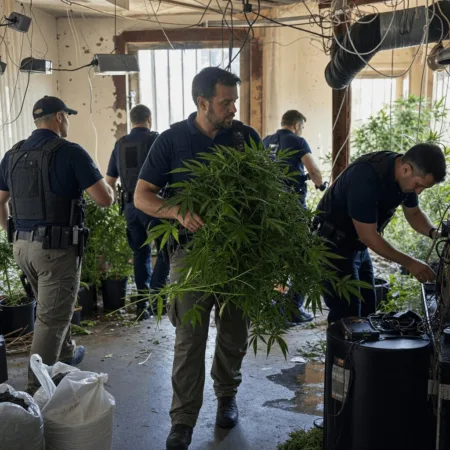
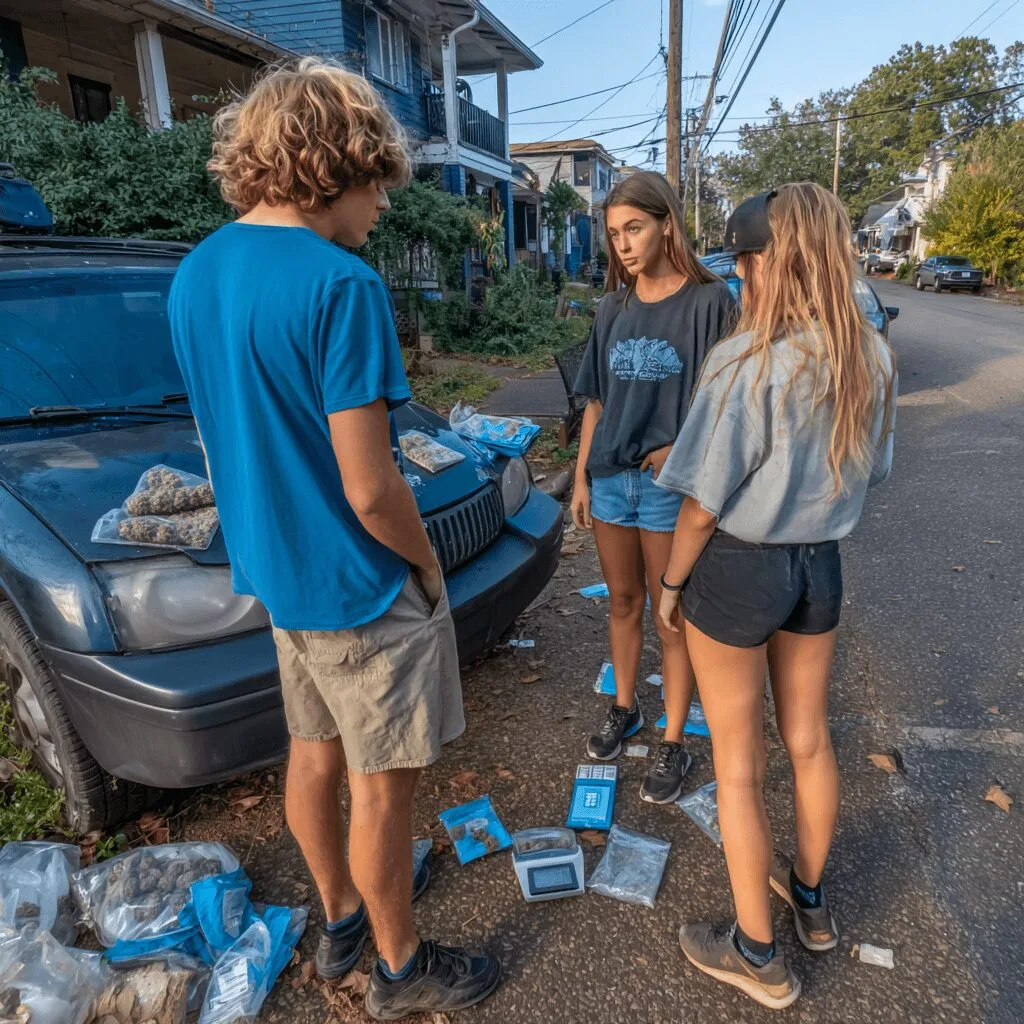
Let’s get into the heart of these Toccoa drug trafficking arrests. In early June 2024, after an investigation that stretched over several weeks, law enforcement in Stephens County made three arrests linked to alleged drug distribution activities in the Toccoa area (Now Habersham). According to reports, officers executed a targeted search in a quiet neighborhood. Search efforts turned up cannabis buds, plastic bags for distribution, and a digital scale, classic signs of small-town dealing. The suspects, all local residents, now face charges including possession with intent to distribute and trafficking under Georgia law. Authorities cited “community complaints and ongoing surveillance” as catalysts for the arrests. Stephens County Sheriff’s Office and Toccoa City Police coordinated the sting, emphasizing “zero tolerance” in post-arrest statements. These facts underscore how even minor distribution efforts don’t go unnoticed in places where state cannabis laws remain strict, reinforcing the risk landscape for anyone operating outside the regulated medical framework. The risk of being caught with intent to distribute is not unique to Georgia, as similar incidents like the recent drug-dealing traffic arrest shocked communities in Florida and reflected the consequences of ongoing enforcement.
Expert Cannabis Insights: What the Toccoa Drug Trafficking Arrests Reveal
The Toccoa drug trafficking arrests reflect both the persistence of underground cannabis markets and the demand for reform. As famed policy analyst Morgan Fox of the National Cannabis Industry Association notes, “Continued enforcement against small-scale cannabis activity often fills jails without addressing the root causes of illicit trade” (NCIA). The arrests in Toccoa are a sobering lesson in how criminalization shapes local markets. Prohibition keeps prices high and incentives strong, especially where regulated access is limited or nonexistent. Many residents facing health issues or economic stress may see underground supply as their only option, and law enforcement, responding to political and community pressure, acts accordingly. Events like these also bring up larger issues of access and equity, and for those interested in how reforms are playing out in other states, understanding the evolving debate in places like Massachusetts—where future cannabis ballot questions may shape legalization efforts—offers meaningful perspective. On a broader level, these events highlight the gap between thriving legal businesses out West and the harsh penalties still present in states like Georgia. When distribution remains illegal despite overwhelming public support for reform, the conversation inevitably shifts to equitable alternatives: better access, real medical licenses, more education, and, critically, decriminalization. As Marijuana Moment analysts regularly point out, states with safer legal options see underground activity and arrests plummet, allowing local resources to focus on serious crime instead.
Toccoa’s Future: Changing Course After the Drug Trafficking Arrests
The Toccoa drug trafficking arrests serve as both a warning and a catalyst. The cannabis industry nationwide is growing—worth over $30 billion in 2023, with social acceptance on the rise (New Frontier Data). Yet, the fate of Georgia’s users and entrepreneurs still hangs in the balance. Looking ahead, these events could spark productive dialogue about smarter regulation, harm reduction, and better access for patients in small towns. Industry voices, advocates, and community leaders are increasingly aligned on one message: it’s time for laws that match the realities and values of everyday people. With continued education, advocacy, and pressure from national organizations, even conservative states can move toward a more fair and just approach to cannabis. Here’s hoping that the next big story out of Toccoa is one of positive change—because the era of stigma-fueled crackdowns is running out of steam.
Originally reported by: nowhabersham.com